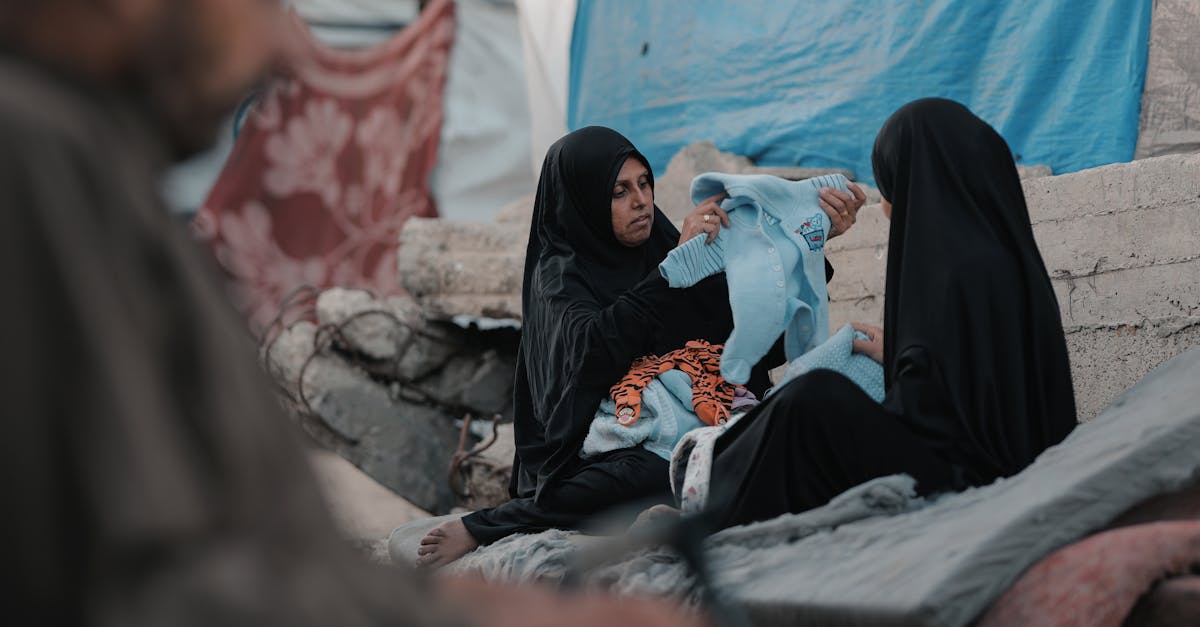
Thalassemia patients in the Gaza Strip are enduring tragic health conditions, lacking essential medications and blood units necessary for their treatment. On the International Day of Solidarity with Thalassemia Patients, the pain and suffering experienced by these individuals is starkly evident, as they navigate a challenging treatment journey amid the collapse of the healthcare system.
32-year-old Sadiqa Abu Jarad sits in her wheelchair at Al-Shifa Medical Complex, where this mobility aid has become her lifeline. Sadiqa suffers from thalassemia and severe joint inflammation, rendering her unable to move. She states that the wheelchair is her constant companion, as she is forced to remain in the hospital for long hours to complete blood transfusion sessions, while her physical pain intensifies due to the absence of suitable resting places.
Details of the Crisis
Thalassemia is a chronic genetic blood disorder that requires patients to undergo regular blood transfusions every two to three weeks to maintain hemoglobin levels. However, the shortage of blood units and essential medications, such as iron-chelating drugs, places patients in a critical situation. Doctors warn that interruptions in treatment or delays in blood transfusions can lead to serious complications, including heart failure and liver damage.
Sadiqa explains that the crisis extends beyond treatment alone; it also encompasses medical examinations. For the past three years, she has been unable to undergo complete blood tests due to their unavailability in local hospitals, forcing her to resort to private centers at costs that exceed her financial capacity.
Background & Context
The health situation in Gaza is deteriorating due to the ongoing blockade and acute resource shortages. According to the Thalassemia Patients Friends Association, only 237 patients remain in the sector after dozens have died since the onset of the war. The dire humanitarian conditions have led to a decline in the health status of patients, many of whom suffer from malnutrition, further compromising their physical resilience.
Another thalassemia patient, Mohammed Yassin, describes the conditions as unbearable, emphasizing the urgent need for intervention to alleviate their plight. The lack of medical supplies and the inability to access necessary treatments have left many patients in a state of despair.
Impact & Consequences
The ongoing humanitarian crisis in Gaza has profound implications for the health and well-being of thalassemia patients. The absence of adequate medical care and resources not only threatens their immediate health but also jeopardizes their long-term survival. Many patients are experiencing increased vulnerability to infections and other health complications due to weakened immune systems.
Moreover, the psychological toll on patients and their families is significant, as they grapple with the uncertainty of their health futures. The prolonged wait times for treatment exacerbate their suffering, leading to feelings of hopelessness and despair.
Regional Significance
This crisis underscores the broader challenges faced by communities in conflict zones, highlighting the urgent need for humanitarian action. The health conditions in Gaza reflect a failure of the healthcare system to provide necessary care, necessitating immediate intervention from humanitarian organizations.
As the situation continues to unfold, it is crucial for the international community to recognize the plight of thalassemia patients in Gaza and take action to address their urgent needs. The resilience of these patients in the face of adversity serves as a powerful reminder of the human spirit's strength.