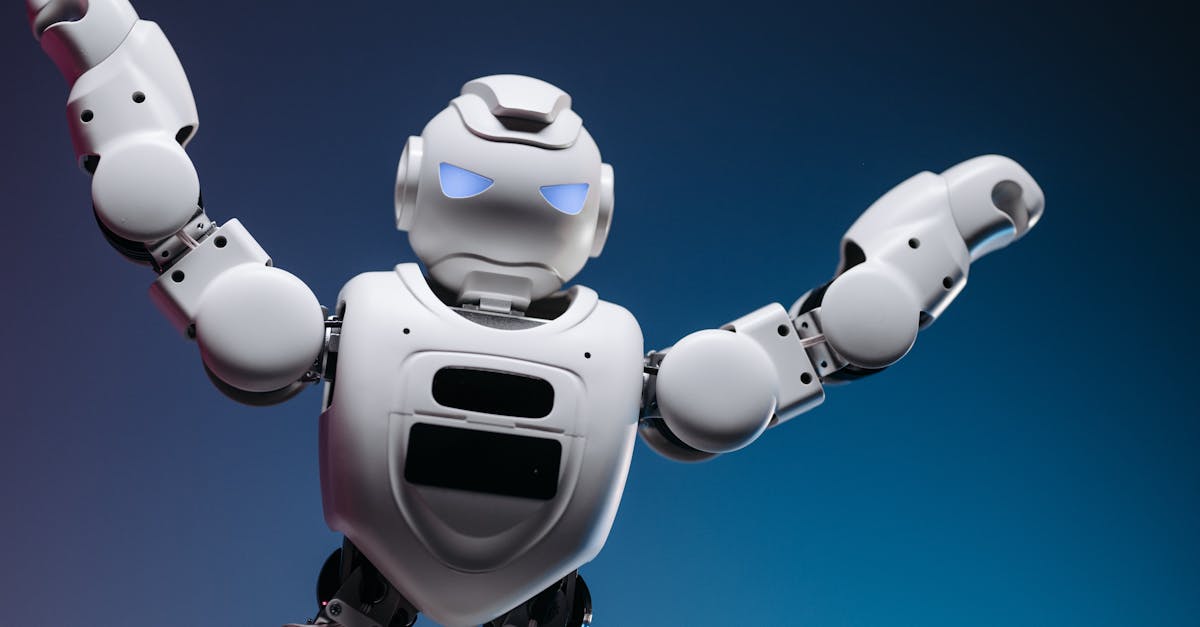
The serious competition to introduce humanoid robots into the real world is underway, with Bloomberg reports indicating these robots will be a major tech platform in the coming decade. The challenges of marketing this rapidly growing industry were discussed at the Humanoid Robotics Summit held in Tokyo, which featured representatives from leading companies such as Google DeepMind and Honda's Frontier Robotics.
During the summit, Sherry Ann, a Bloomberg correspondent, emphasized the importance of this technology in shaping the future of work and daily life. The challenges facing companies in the development of humanoid robots were highlighted, including technical and ethical issues.
Event Details
The Humanoid Robotics Summit in Tokyo saw participation from several experts and investors, focusing on how to transform robots from mere displays into marketable products. The importance of collaboration between major companies and innovators in this field was stressed to ensure the success of this technology.
Discussions also covered how humanoid robots could be utilized in various fields such as healthcare, education, and logistics, opening new horizons for this industry.
Background & Context
Historically, humanoid robots have seen significant development since their inception in the mid-20th century. As technology has advanced, these robots have become more complex and capable of interacting with humans. In recent years, investments in this sector have surged, reflecting major companies' interest in future growth opportunities.
Humanoid robots are considered part of the Fourth Industrial Revolution, with many countries seeking to leverage this technology to enhance productivity and improve quality of life. However, significant challenges related to ethics and legislation remain that must be addressed to ensure the safe and effective use of this technology.
Impact & Consequences
Humanoid robots are technologies that could change the face of work as we know it today. This technology could lead to increased efficiency and reduced costs across many industries, but it may also raise concerns about the loss of traditional jobs. Governments and companies need to work together to develop strategies to address these challenges.
Additionally, the use of humanoid robots in sensitive areas such as healthcare may raise questions about privacy and security. It is essential that this technology is developed with consideration for human and ethical values.
Regional Significance
In the Arab region, humanoid robots could be an opportunity to enhance innovation and improve services. Many Arab countries have already begun investing more in technology and innovation, paving the way for the use of humanoid robots in fields such as education and healthcare.
However, Arab nations must be prepared to face the challenges associated with implementing this technology, including the need to develop the necessary skills in the labor market. Collaboration between governments and the private sector will be key to success in this area.
The race to develop humanoid robots represents a significant opportunity for technological advancement, but it also requires deep thinking about how to integrate this technology into our daily lives safely and responsibly.