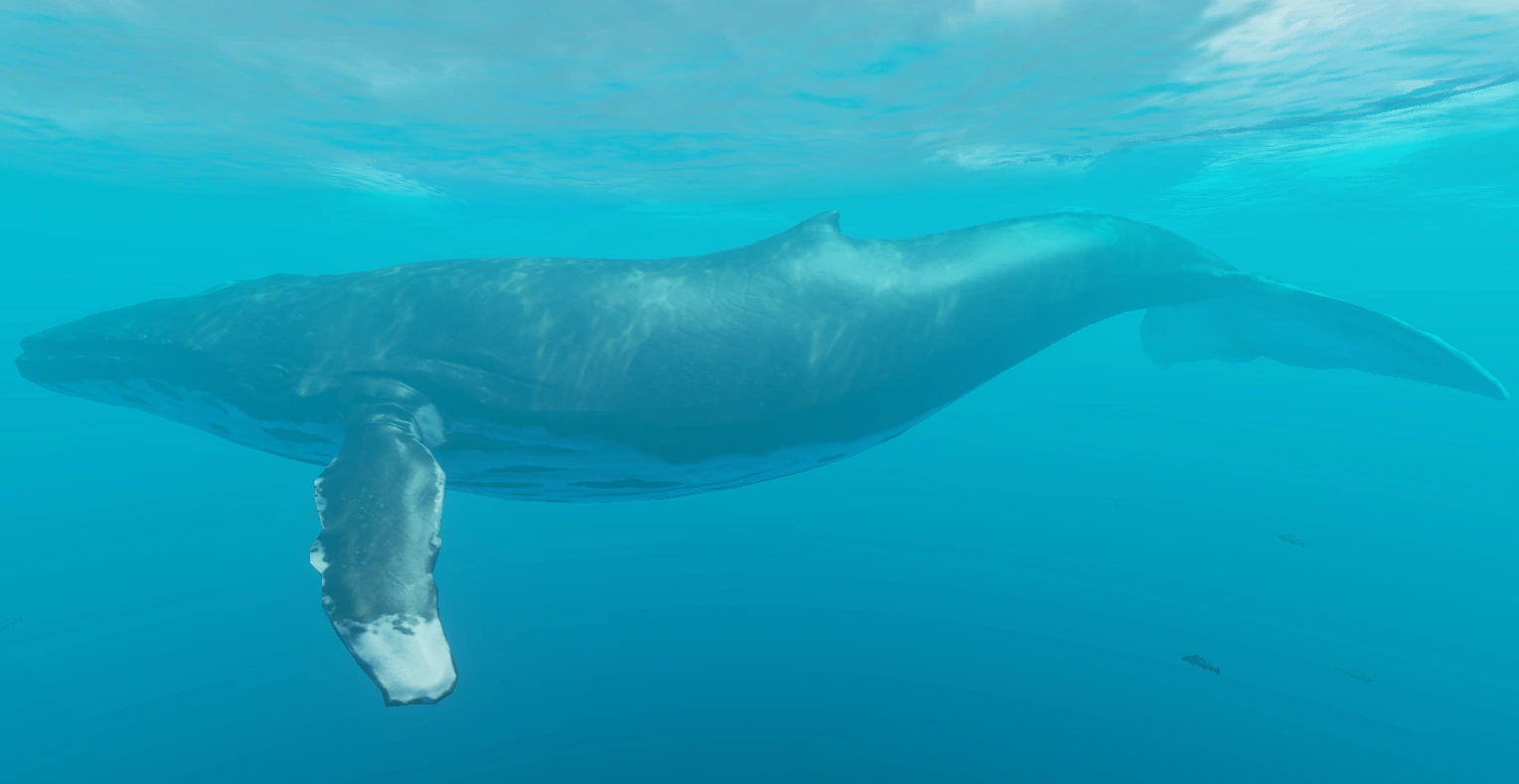
A humpback whale, recently freed, has stranded again on the shores of Germany, raising concerns among scientists and environmentalists. The whale, considered an endangered species, was spotted several miles from the shore, necessitating urgent intervention for its rescue.
The whale, which was rescued by marine rescue teams a few weeks ago, had suffered injuries from being entangled in fishing nets. After a complex rescue operation, it was released back into the sea, but its return to the shore indicates ongoing issues related to its health and environment.
Details of the Incident
The whale was spotted in an area near the city of Kiel, where reports indicate that it is struggling to swim. Marine rescue teams are currently working to assess its health condition and determine the necessary steps for its rescue once again. The humpback whale is considered one of the endangered species, which increases the importance of this situation.
Scientists have reported that the whale may have experienced stress or injury, making it unable to return to deeper waters. This raises concerns about the impact of climate change and ocean pollution on marine life.
Background & Context
The humpback whale is a species of marine mammals that live in the oceans, known for their ability to swim long distances. This species is considered endangered due to overfishing and the destruction of its natural habitats. In recent years, instances of whale strandings on European shores have increased, reflecting the environmental challenges they face.
Historically, whales have been seen as symbols of the seas, but the degradation of the marine environment due to human activities has led to a decline in their numbers. In recent years, many initiatives have been launched to protect these species, but challenges remain.
Impact & Consequences
The case of the humpback whale serves as an example of the environmental challenges faced by marine creatures. Continued whale strandings may lead to a loss of biodiversity in the oceans, affecting the ecosystem as a whole. Additionally, these cases raise global concerns about how human activities impact marine life.
If urgent actions are not taken, the loss of whales could have negative effects on marine tourism and local economies that depend on these activities. Protecting these species is not just a local responsibility; it is a global issue that requires cooperation among nations.
Regional Significance
Although the humpback whale is not a common species in Arab waters, environmental issues related to marine life affect all countries. Arab coasts are also exposed to pollution and climate change, threatening biodiversity in the region.
Protecting marine life is part of global efforts to combat climate change. Arab countries must enhance cooperation in marine environmental protection, as preserving biodiversity is a shared responsibility.
The case of the humpback whale that has stranded again reminds us of the importance of protecting the marine environment. We must all be part of the solution by supporting environmental initiatives and raising awareness about the importance of marine life.