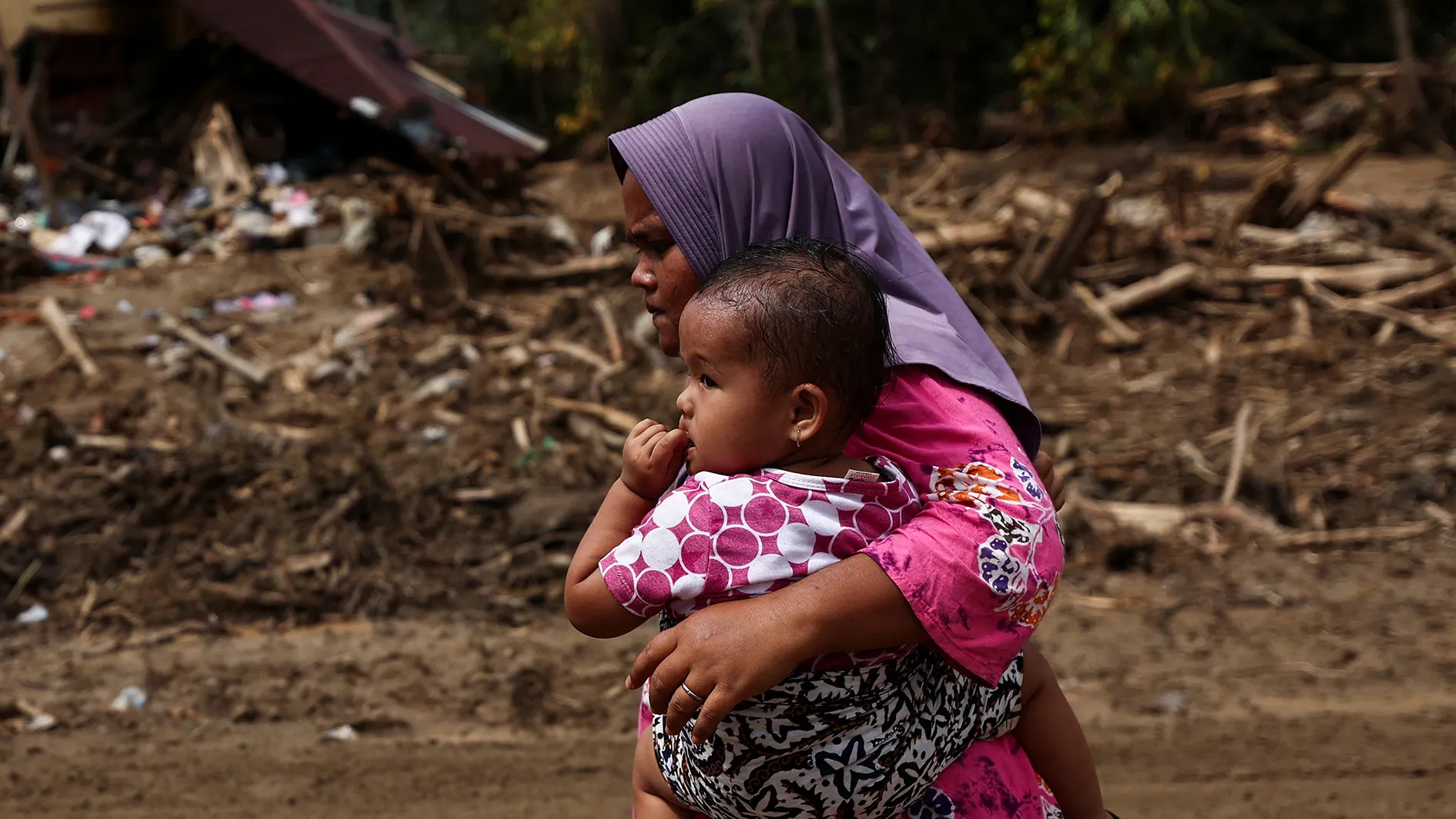
The disaster management agency in Agam, Indonesia, reported that approximately 100 families were forced to evacuate their homes due to flooding that swept through the Gurug Labuah area, part of the Sungai Batang village, late on Wednesday. Evacuation operations commenced at 5:30 PM local time, with affected families seeking shelter in the homes of relatives and friends in safer areas.
According to statements from the head of the disaster management agency in Agam, Rahmat Lasimuno, the flooding was caused by rising water levels in the Batang Komatio River, which overflowed due to sediment buildup in its channel. This flooding resulted in the inundation of 10 homes, with water levels reaching approximately 50 centimeters.
Event Details
The heavy rainfall, which began on Wednesday afternoon, exacerbated the situation, leading to the collapse of the walls of the Labuh Kindergarten in the area. Local residents were warned of the necessity to evacuate to safer regions, especially since the area experienced previous flooding at the end of November 2025.
Officials indicated that they coordinated with local government to gather data on the damages and provide necessary assistance to those affected. Drivers passing through landslide-prone areas, such as Kilok 44 and Sungai Landia, were cautioned to exercise caution.
Background & Context
Flooding is a recurring phenomenon in Indonesia, as the country faces heavy rainfall seasons annually, exacerbating conditions in low-lying areas. In recent years, the country has experienced several natural disasters, including floods and landslides, resulting in loss of life and destruction of property.
Historically, Indonesia has struggled with water management and infrastructure issues, increasing the risk of flooding. Additionally, climate change plays a significant role in intensifying these natural phenomena, necessitating effective preventive measures.
Impact & Consequences
Flooding significantly impacts the lives of local residents, leading to loss of homes and property, as well as affecting education and public health. The mass displacement of residents places additional pressure on local resources, requiring a swift response from the government and relief organizations.
These situations demand a concerted effort between the government and civil society to provide necessary support to those affected, including shelter, food, and healthcare. Long-term plans must also be in place to improve infrastructure and reduce flood risks in the future.
Regional Significance
Although flooding in Indonesia may seem distant from the Arab region, the climate changes leading to these disasters affect all countries worldwide. Climate change threatens food and water security in the Arab region, necessitating proactive measures to address these challenges.
Furthermore, Indonesia's experiences in disaster management can provide valuable lessons for Arab countries facing similar challenges, highlighting the need for enhanced regional and international cooperation in disaster management.