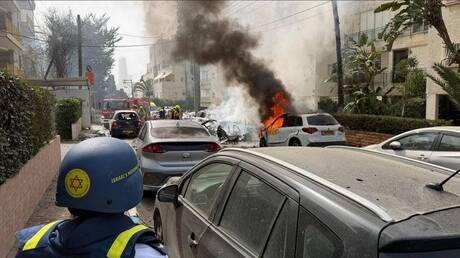
Hundreds of Israelis gathered in anti-war marches across several cities, including Tel Aviv, Jerusalem, and Haifa, chanting slogans urging the government to cease military operations. These protests occur at a sensitive time, as rockets have been detected being fired from tense areas towards Israeli territory, increasing anxiety among citizens.
Recent events have escalated rapidly, with Israel experiencing a surge in military operations, provoking strong reactions from the Israeli public. The demonstrators, who assembled in various locations, expressed their concerns about the implications of this war on their daily lives and national security.
Details of the Protests
In Tel Aviv, the marches began from several central points, with protesters gathering in Rabin Square, holding placards with slogans calling for peace and an end to the war. Similar gatherings were witnessed in Jerusalem and Haifa, where large numbers of both young people and the elderly were present, reflecting the diversity of participants in these protests.
The demonstrators did not limit themselves to voicing their demands; they also organized artistic and cultural events during the marches, adding a distinctive character to the protests. Some noted that these activities reflect a spirit of solidarity among citizens in the face of current challenges.
Background & Context
The region has been experiencing increasing tensions recently, with a rise in military operations between Israel and various armed factions. This escalation comes at a critical time, as many citizens are suffering from the effects of the war, including human and economic losses.
Historically, there have been numerous wars and conflicts in the region, but the current situation appears more complex, intertwining various political and social factors. The current protests reflect a growing dissatisfaction among Israelis regarding the government's military policies, which may impact the future of the current administration.
Impact & Consequences
These protests demonstrate a division in Israeli public opinion regarding the war, with some citizens calling for an end to military operations while others support their continuation. This division could affect the stability of the government and increase political pressure on it.
Additionally, these protests may influence Israel's relations with other countries, as they could be used as a means to pressure the government to change its policies. At the same time, these protests could lead to heightened tensions between the government and citizens, which may negatively impact internal security.
Regional Significance
These protests are seen as an indicator of potential changes in Israeli policies in the future. If pressure from the Israeli public continues, the government may be compelled to reassess its military strategies, which could affect relations with Arab countries.
The situation in Israel directly impacts security and stability in the region, as any escalation in the conflict could have negative repercussions for neighboring countries. Therefore, Arab nations are closely monitoring these events, as these protests represent an opportunity to understand developments in Israel.
In conclusion, the current protests in Israel reflect a state of anxiety and dissatisfaction among citizens regarding military policies, opening the door to questions about the country's future amid these escalating tensions.