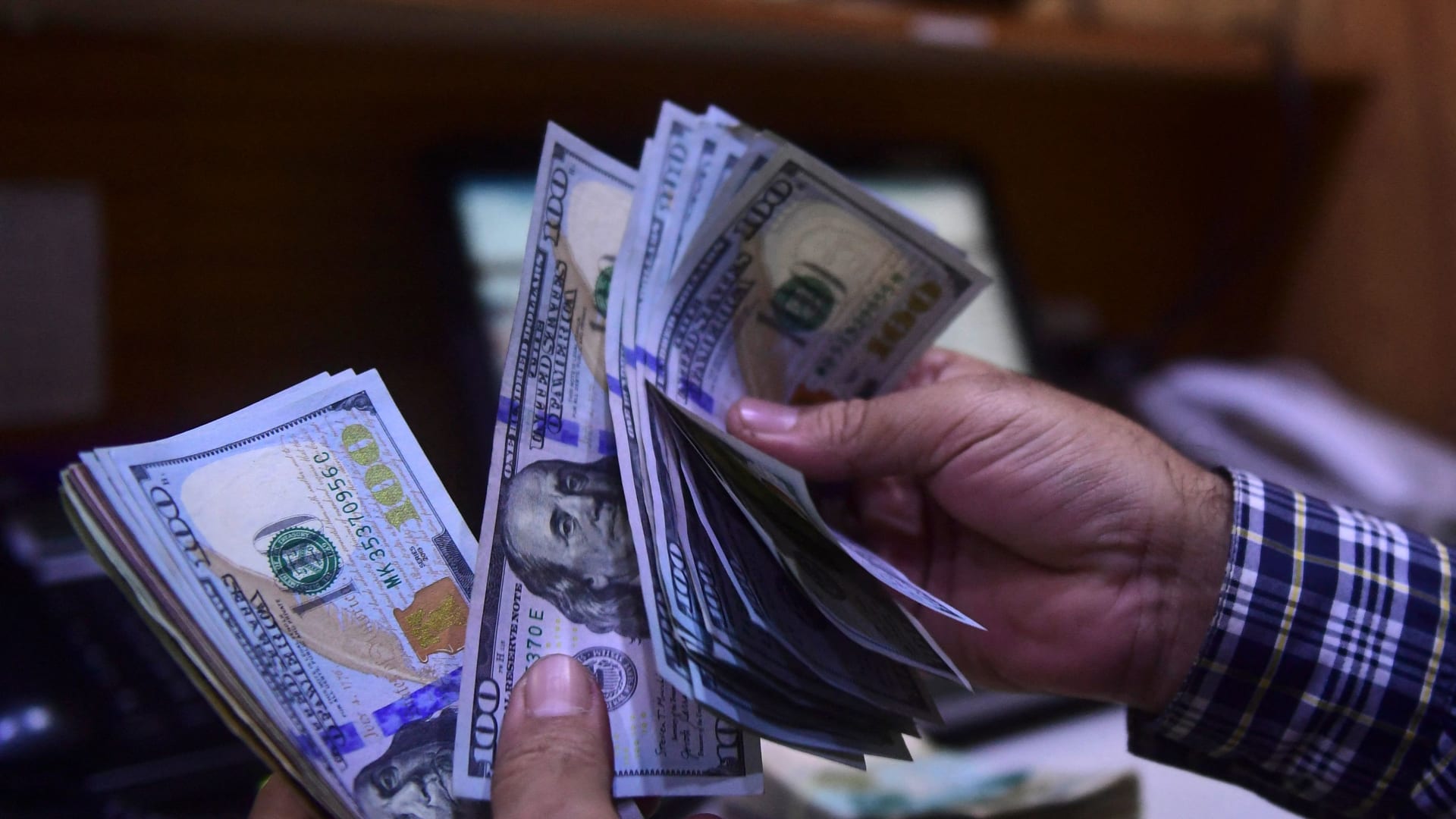
The Hungarian Central Bank has announced its decision to keep the main interest rate unchanged in its latest meeting before the elections scheduled for April. This move comes at a time when the financial markets are experiencing significant turmoil, affecting the stability of financial assets in the country and making it one of the most vulnerable on a global scale.
The decision is part of the bank's efforts to maintain economic stability in the face of economic challenges facing Hungary. Many analysts have pointed out that this move reflects the bank's concern about the impact of global events on the domestic economy, particularly in the face of consecutive financial crises.
Event Details
In its latest meeting, the Hungarian Central Bank decided to maintain the main interest rate at 13%, reflecting a cautious response to the current economic situation. This decision comes at a time when many experts expect continued pressure on financial markets due to ongoing events in Iran, which have had a significant impact on financial stability in the region.
This move is crucial as any changes in interest rates can affect local and foreign investments, as well as the government's ability to finance its projects. Keeping the interest rate unchanged may also reflect the bank's desire to avoid any additional shocks to the domestic economy.
Background & Context
Historically, Hungary has faced numerous economic challenges, particularly during global financial crises. In recent years, the government and the Hungarian Central Bank have attempted to boost economic growth through flexible monetary policies, but global events have hindered these efforts. The geopolitical tensions in the region, particularly in Iran, have further complicated the economic landscape.
The upcoming elections in April present an opportunity for the current government to showcase its economic achievements, but with ongoing market pressures, the ruling party may face significant challenges in convincing voters of the effectiveness of its economic policies.
Impact & Consequences
Many analyses predict that these decisions will affect foreign investments in Hungary, with investors likely to be cautious about injecting new capital into the country amidst uncertainty. Keeping interest rates high may also impact local loans, potentially hindering future economic growth.
Furthermore, ongoing economic pressures may lead to increased unemployment rates and reduced domestic consumption, further complicating the economic situation. In this context, the Hungarian government and central bank must work on developing effective strategies to address these challenges.
Regional Significance
The financial markets in the Arab region are significantly affected by global events, including those in Hungary. Financial turmoil in Europe may lead to fluctuations in oil and commodity prices, impacting Arab economies that heavily rely on oil exports.
The situation in Iran, marked by political and economic tensions, may also affect trade relations with Arab countries, further complicating the regional economic landscape. Therefore, Arab countries must closely monitor these developments and adapt to any changes in the global markets.