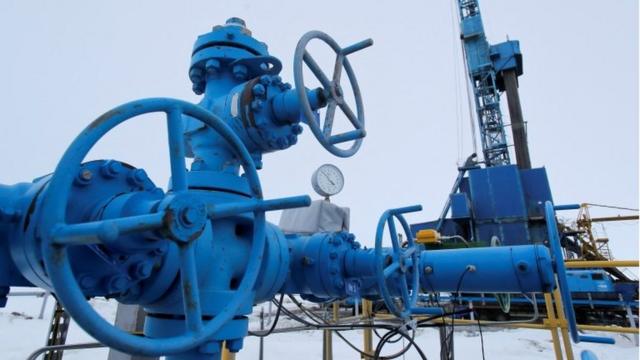
In a move that could exacerbate the situation in Eastern Europe, Hungarian Prime Minister Viktor Orban announced his country's intention to gradually halt gas supplies to Ukraine. Orban confirmed that this decision will remain in effect until Ukraine resumes the transit of Russian oil through the Druzhba pipeline, one of the most important oil transport lines in the region.
These statements come at a sensitive time, as relations between Ukraine and Russia are increasingly strained, especially following Russia's invasion of Ukraine in 2022. This decision has elicited mixed reactions from Ukrainian officials, who asserted that they know how to secure the necessary gas supplies should Hungary cease its deliveries.
Details of the Decision
Orban clarified that the decision to stop gas supplies is a means of pressuring Ukraine to resume the transit of Russian oil, which he considers part of a larger strategy aimed at strengthening economic ties with Moscow. This decision has received support from some political figures in France, including Marine Le Pen, who argued that it reflects the necessity of safeguarding national interests.
In contrast, the Ukrainian government has affirmed that it will not back down from its position, indicating that it has multiple options for obtaining gas from other sources, including EU countries. Reports suggest that Ukraine may resort to importing gas from Poland and Slovakia to compensate for any potential shortfall.
Background & Context
Historically, relations between Hungary and Ukraine have been tense, particularly after Hungary took pro-Russian stances on various issues. As the conflict in Ukraine escalates, Hungary has become one of the European countries facing pressure to take a clearer stance against Moscow. However, Hungary's reliance on Russian gas places it in a difficult position, as it needs to balance its economic and political interests.
The Druzhba pipeline is one of the oldest and most significant oil transport lines in the world, extending through several countries from Russia to Europe. This pipeline has witnessed numerous political tensions, especially amid the geopolitical crises affecting the region.
Impact & Consequences
The Hungarian decision to halt gas supplies to Ukraine could worsen the humanitarian situation in the country, where many residents depend on gas for heating and energy. Additionally, this decision may impact gas prices in European markets, potentially increasing economic pressures on other European nations.
Moreover, this decision could open the door to further tensions between Hungary and EU countries, as Hungary may face criticism for its support of Russia during a sensitive time. This situation could also bolster the position of extreme political forces in Europe, which advocate for strengthening ties with Russia.
Regional Significance
In light of these developments, the Arab region may experience indirect effects, particularly as many Arab countries rely on Russian energy. Furthermore, any escalation in the situation in Europe could influence global oil and gas prices, which may reflect on the economies of oil-producing Arab nations.
In conclusion, the situations in Ukraine and Hungary remain under observation, as any changes in policies or field conditions could significantly impact stability in both the European and global regions.