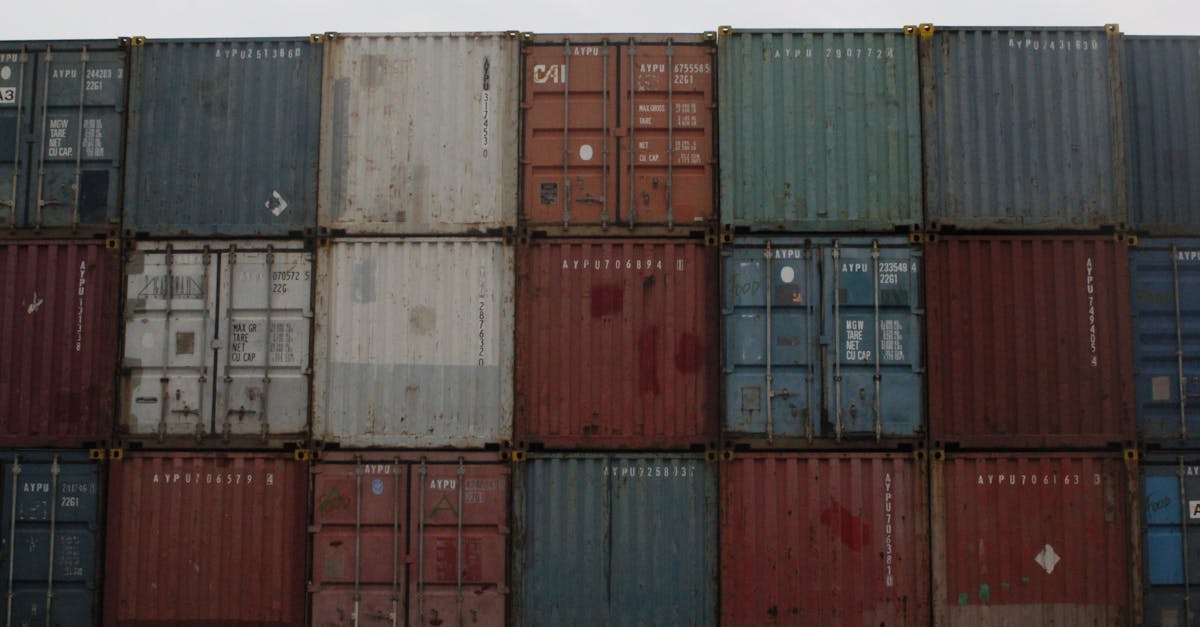
Hyundai Motor Company, the world's third-largest automobile manufacturer, has reported significant disruptions in its exports to Europe and North Africa, which typically pass through the Middle East, due to the ongoing conflict in the region. These disruptions highlight the increasing pressures on global supply chains, leading to higher shipping costs and delayed deliveries, which add to the strain on the company and its suppliers.
During a meeting held at the Port of Pyeongtaek-Dangjin, Kim Dong-ju, Vice President of the Global Policy Office at Hyundai, stated that the impact of the conflict will continue even if the fighting ends soon. He explained that rebuilding supply chains will take a long time, complicating the current situation.
Details of the Situation
In the meeting that brought together government officials, logistics companies, and industrialists, the impact of the conflict on shipping operations was assessed. Vehicles were observed lined up on the dock, ready to be shipped to the West Coast of the United States, aboard a giant vessel capable of carrying approximately 4,900 vehicles. Kim noted that rising shipping costs and raw material restrictions related to the conflict are also affecting parts suppliers and production.
The logistics unit of the Hyundai Group, Hyundai Glovis, reported that it is currently unable to access certain routes in the Middle East, forcing it to store shipments in alternative locations until conditions stabilize. Although routes to the East and West Coasts of North America have not been significantly affected so far, limited access to the Middle East and rising fuel costs hinder operations and efficiency.
Background & Context
Historically, the Middle East is a vital point in global supply chains, through which many commercial shipments pass. As conflicts in the region escalate, these routes have become more susceptible to bottlenecks, impacting global trade. Last March, South Korea recorded its strongest export growth in forty years, but shipments to the Middle East fell by 49%, reflecting the negative impact of the conflict on trade.
At the same time, Hyundai Motor showed a slight decline in its global sales in March, with 358,759 vehicles sold, a decrease of 2.3% compared to the previous year. Domestic sales dropped by 2% while overseas sales fell by 2.4%, reflecting the impact of supply chain disruptions.
Impact & Consequences
The repercussions of the conflict in the Middle East extend beyond the automotive sector, affecting many other industries. Rising shipping costs and restrictions on raw materials could lead to price increases in global markets, negatively impacting consumers. Companies will also face challenges in rebuilding supply chains, potentially resulting in delays in production and distribution of products.
These disruptions serve as a wake-up call for many companies that rely on global supply chains, as they must seek alternative ways to secure their supplies and mitigate risks associated with regional conflicts.
Regional Significance
For the Arab region, the conflict in the Middle East directly impacts trade and the economy. Many Arab countries rely on shipments to and from the Middle East, making them vulnerable to the effects of the conflict. Rising shipping costs may lead to price increases in local markets, affecting consumers' purchasing power.
In conclusion, the conflict in the Middle East presents a significant challenge not only for automotive companies like Hyundai but for many other industries as well. Companies and governments must work together to find effective solutions to mitigate the effects of these disruptions and ensure the stability of supply chains.