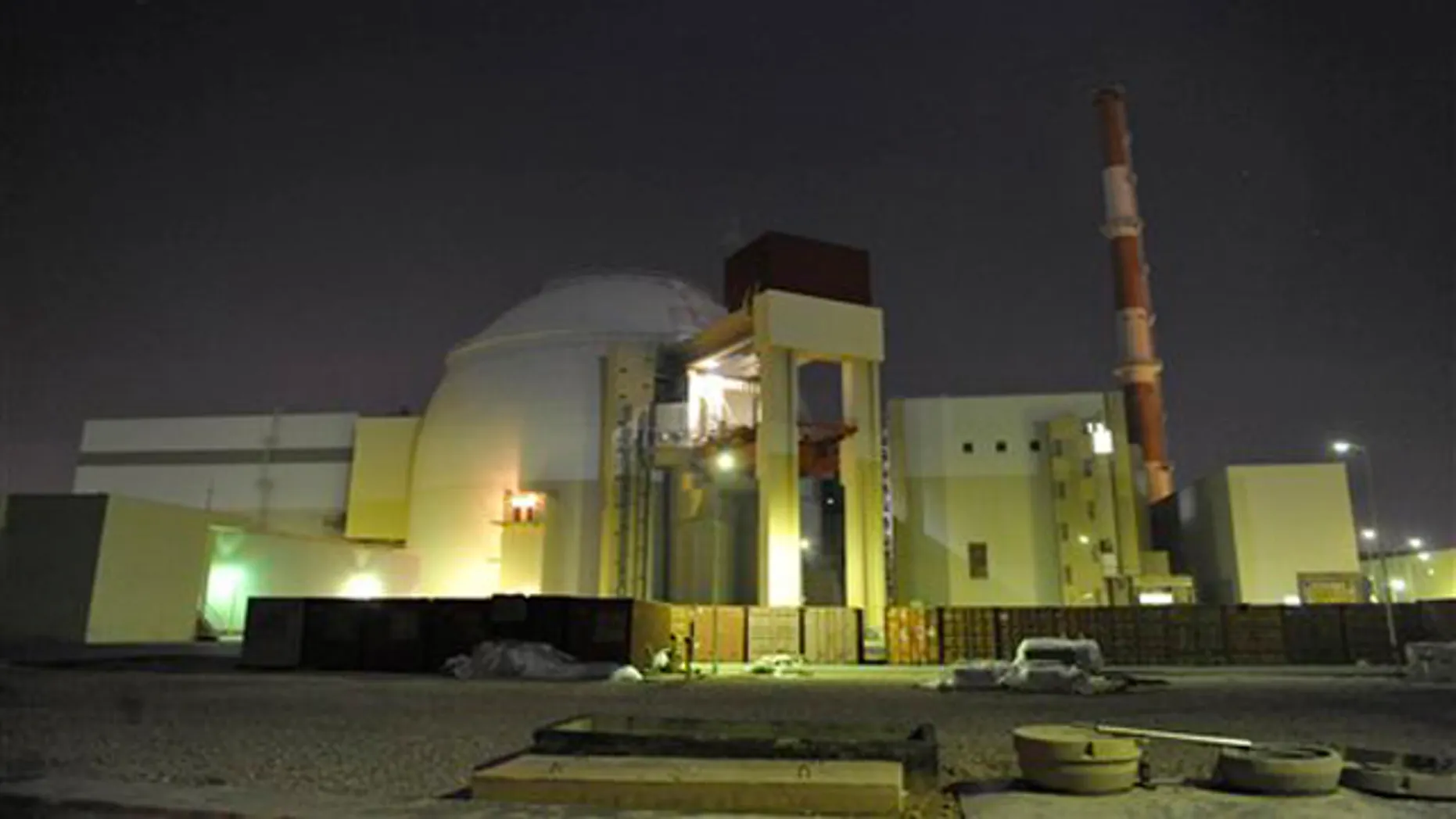
Amid rising military tensions in the region, Rafael Grossi, Director General of the International Atomic Energy Agency (IAEA), has cautioned about the significant risks posed by military activities near Iran's Bushehr nuclear plant. Grossi emphasized that these activities could result in serious radiation incidents, posing a substantial threat to nuclear safety in Iran and its surrounding areas.
These statements followed reports indicating that the Bushehr plant had been subjected to several attacks, including a joint assault by the United States and Israel, which resulted in the death of one worker at the facility. This incident marked the fourth of its kind since the conflict began on February 28, raising concerns about nuclear security in the region.
Details of the Incident
In an official statement, the IAEA confirmed that the ongoing military attacks on the Bushehr plant, which houses large quantities of nuclear fuel, pose a significant risk to nuclear safety. The agency called for an immediate cessation of these attacks to protect nuclear facilities from any incidents that could lead to radiation leaks.
It is noteworthy that Iran has accused the United States and Israel of orchestrating these attacks, as the country has witnessed a series of assaults on other nuclear sites, including Natanz and other facilities. These events raise questions about nuclear safety in Iran, especially amid escalating tensions in the region.
Background & Context
The Bushehr nuclear plant is one of the largest nuclear facilities in Iran, having been operational since 2011. Since then, it has become a focal point of international controversy, particularly due to concerns that Iran might use nuclear technology for military purposes. This has led to the imposition of international sanctions on Iran, complicating the situation in the region.
Historically, relations between Iran and the West have been marked by increasing tensions, especially following the United States' withdrawal from the nuclear agreement in 2018. Since then, military attacks and threats have escalated, heightening fears about nuclear safety in the area.
Impact & Consequences
The recent warnings from the IAEA indicate that any radiation incident could have severe consequences not only for Iran but also for neighboring countries. In the event of a radiation leak, public health and the environment could be significantly affected, necessitating urgent action from the international community.
Furthermore, these events could escalate tensions between Iran and Western nations, increasing the likelihood of military conflicts in the region. The stability of the area heavily depends on how the involved parties address these sensitive issues.
Regional Significance
The ongoing events in Iran hold significant importance for Arab countries, as any escalation in the conflict could impact regional security. Neighboring Arab nations, such as Iraq and Gulf states, may face direct repercussions in the event of any radiation incidents.
It is crucial for Arab nations to collaborate with the international community to ensure nuclear safety in the region and avoid any escalation that could lead to humanitarian and environmental disasters. Dialogue and understanding among all parties are the only ways to prevent future crises.