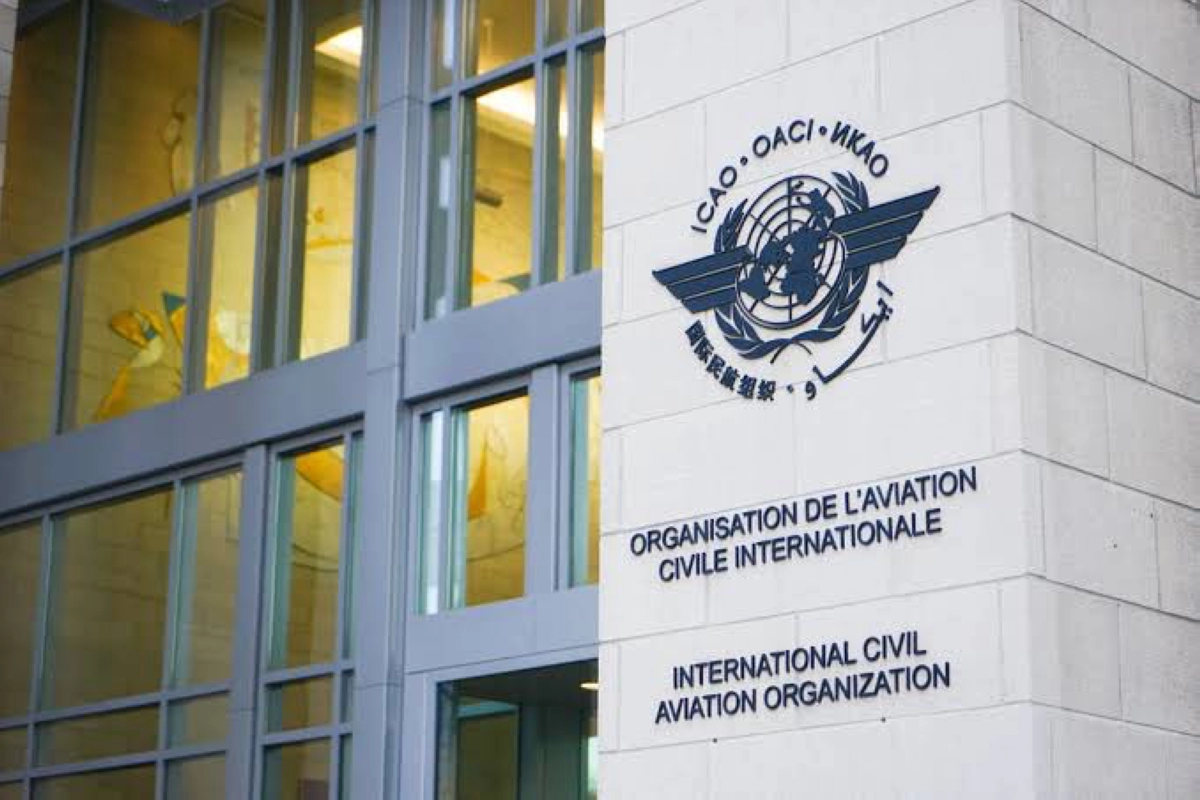
The International Civil Aviation Organization (ICAO) condemned the attacks carried out by Iran against several countries in the region, pointing out the grave risks these attacks pose to civil aviation safety. This decision came during the sixth meeting of the 237th session of the council, held in Montreal, where a joint working paper was presented by Saudi Arabia, the United Arab Emirates, Jordan, Bahrain, Kuwait, Qatar, Oman, Egypt, and Morocco.
The decision reflects a firm international stance against the threats to civil aviation safety and security, including a call for an immediate cessation of attacks, referral of the decision to relevant United Nations bodies, and informing member states while monitoring related developments.
Details of the Meeting
During the meeting, Engineer Mohammed Habib, the permanent representative of Saudi Arabia to ICAO, reaffirmed the Kingdom's full commitment to the Chicago Convention and its ongoing support to facilitate air traffic in coordination with regional partners and the organization. He also highlighted the readiness of Saudi airspace and airports, as well as the Kingdom's role in supporting airlines and facilitating evacuation flights according to the highest safety standards.
Habib emphasized the importance of all countries adhering to international civil aviation regulations and not using civil aviation for purposes other than those intended. He clarified that the Kingdom is not a party to the ongoing conflict and has consistently called for de-escalation and diplomatic solutions.
Background & Context
These developments come amid escalating tensions in the region, where there has been a recent surge in Iranian attacks on Gulf Cooperation Council countries and Jordan. The United Nations issued Resolution 2817 on March 11, condemning the Iranian attacks, reflecting international awareness of the threats to regional stability.
The attacks carried out by Iran since February 28, including the use of missiles and drones, are considered a clear violation of the Chicago Convention and the principle of state sovereignty over its airspace. These attacks have posed significant risks to civil aviation, as projectiles have interfered with flight paths without appropriate navigational warnings, forcing affected countries to close parts of their airspace and reroute flights, impacting international air transport operations.
Impact & Consequences
These events underscore the importance of international cooperation in addressing the threats facing civil aviation. The escalation of Iranian attacks raises significant concerns among neighboring countries and highlights the urgent need to activate more effective security mechanisms to protect airspace and airports.
Additionally, these attacks could affect air travel and tourism in the region, negatively impacting local economies that heavily rely on tourism and travel. Concerned countries must take immediate steps to protect their interests and ensure the safety of their citizens.
Regional Significance
These developments are particularly significant for Arab countries, as the Iranian threats reflect the continuity of tensions in the region. Arab nations are required to enhance cooperation among themselves to face these challenges and work on effective strategies to protect airspace and economic interests.
In conclusion, the international community must take a unified stance against these attacks and work to enhance security and peace in the region to ensure the safety of civil aviation and protect lives and economic interests.