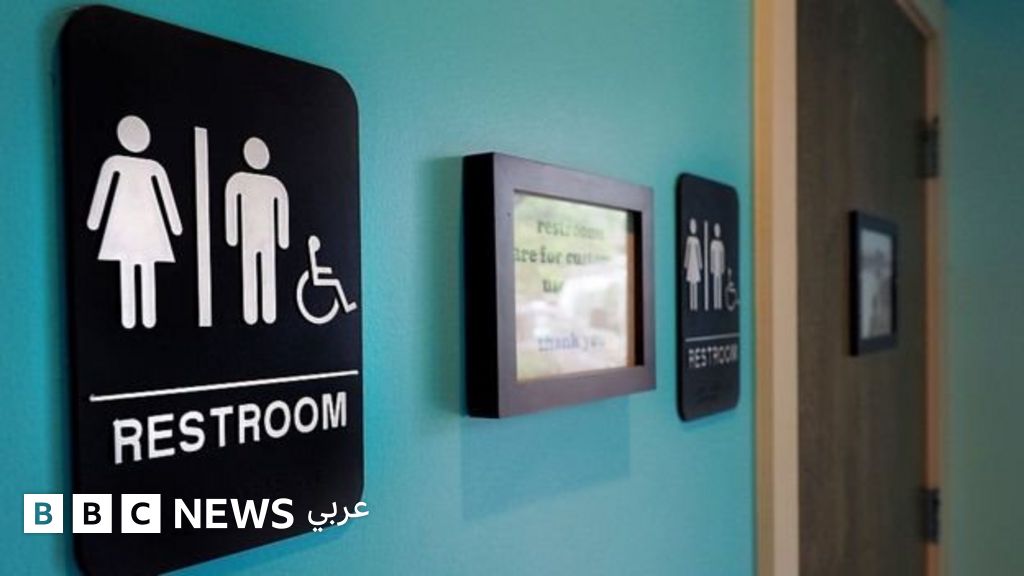
The Idaho House of Representatives has announced a new bill aimed at criminalizing the use of bathrooms by transgender individuals in private facilities. This decision comes amid widespread debate in the United States regarding transgender rights, raising significant concerns among human rights activists.
The bill, which was introduced in recent days, includes penalties that could lead to fines for companies that allow transgender individuals to use bathrooms corresponding to their expressed gender. This legislation is part of a series of laws introduced in several U.S. states targeting transgender rights.
Details of the Legislation
The bill specifically targets private facilities, meaning that businesses, restaurants, and shopping centers will be required to comply with this law. Failure to comply could result in financial penalties for these establishments. The law has elicited mixed reactions from both supporters and opponents, with some arguing that it protects the rights of children and families, while others view it as discrimination against transgender individuals.
It is noteworthy that this law comes at a time when legal challenges against transgender rights are increasing in the United States, with several similar laws being proposed in other states such as Florida and Texas. This trend reflects a growing debate over gender identity and individual rights within American society.
Background & Context
In recent years, the United States has witnessed a significant shift in how gender identity issues are addressed. After decades of struggle for transgender rights, some states have begun to take steps backward by introducing restrictive laws. This has raised considerable concern among activists who believe these laws undermine fundamental human rights.
Idaho is one of the states that has seen significant political changes in recent years, with a group of lawmakers elected who support conservative legislation. This political environment has contributed to efforts aimed at reducing transgender rights, raising questions about the future of human rights in the United States.
Impact & Consequences
This law could have far-reaching effects on transgender rights in the United States. If passed, it may encourage other states to adopt similar approaches, leading to further discrimination against transgender individuals. Additionally, this law could impact businesses seeking to attract customers from all demographics, as some may prefer to avoid states that implement such policies.
Moreover, this law could escalate social tensions, potentially causing a greater divide between supporters and opponents of transgender rights. We may witness increased protests and public discussions surrounding this issue, complicating the social and political landscape in the United States.
Regional Significance
While this law may seem to pertain only to the United States, it could have potential implications for the Arab region. Amid the growing discourse on human rights worldwide, activists in Arab countries may be influenced by this trend. This law could affect how Arab nations address gender identity issues, as some may draw inspiration from such laws in their attempts to implement similar policies.
Furthermore, this law could spark discussions about transgender rights in Arab countries, where these issues are still considered taboos in many societies. This may lead to greater awareness of transgender rights in the Arab world, potentially contributing to a shift in social perceptions towards them.