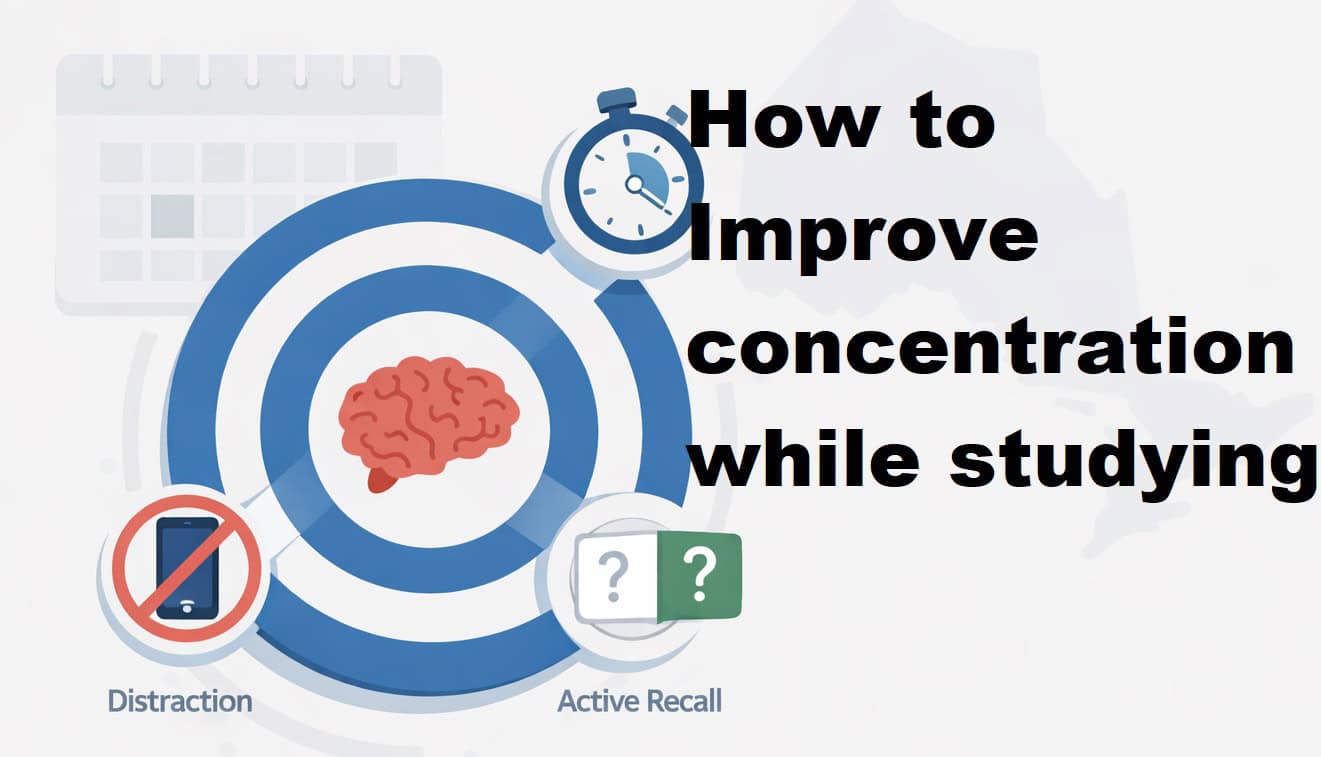
Poor concentration during study sessions is a common problem faced by students at different educational levels. The professor of psychiatry pointed out that several factors affect students' ability to focus, leading to a decline in academic performance.
Among these factors, psychological pressures and stress stand out as the most significant causes negatively impacting concentration. Many students experience exam pressures and competition, which reflects on their ability to absorb information.
Details of the Issue
The professor emphasized that the surrounding environment plays a significant role in enhancing or hindering concentration. The presence of distractions such as smartphones or noise can divert students' attention, making it difficult for them to focus on studying. He also highlighted the importance of time management and setting appropriate breaks to improve academic performance.
Additionally, the professor addressed the impact of health factors on concentration, noting that lack of sleep and unbalanced nutrition can lead to diminished focus. Therefore, students are advised to ensure adequate sleep and consume balanced meals to support their mental and physical health.
Background & Context
The issue of poor concentration during study sessions has been addressed in numerous psychological studies. Research has shown that students who suffer from exam anxiety or depression are more prone to poor concentration. Furthermore, lifestyle changes, such as reliance on technology, have contributed to exacerbating this problem.
In the same context, social and economic factors can play a role in affecting concentration. Families facing financial pressures may impact students' psychological stability, which in turn reflects on their ability to concentrate while studying.
Impact & Consequences
The repercussions of poor concentration during study sessions extend beyond academic performance, as it can affect students' self-confidence and self-esteem. Academic problems may lead to feelings of frustration and loss of motivation, negatively impacting their educational journey.
Poor concentration can also lead to lower academic achievement, affecting students' chances of obtaining scholarships or future job opportunities. Therefore, it is crucial for students to receive the necessary psychological and social support to overcome these challenges.
Regional Significance
The Arab region faces significant challenges in the field of education, with many students suffering from issues related to concentration and academic performance. Studies have shown that a large percentage of students in Arab countries encounter difficulties in focusing, necessitating joint efforts from families and schools to improve the learning environment.
Raising awareness about the importance of mental health and its impact on academic performance can contribute to improving students' outcomes. Moreover, providing psychological and social support can help students overcome the challenges they face.
In conclusion, concentration during study sessions is a fundamental factor for achieving academic success. Therefore, students and educational stakeholders must work to enhance the study environment and provide the necessary support to boost concentration abilities.