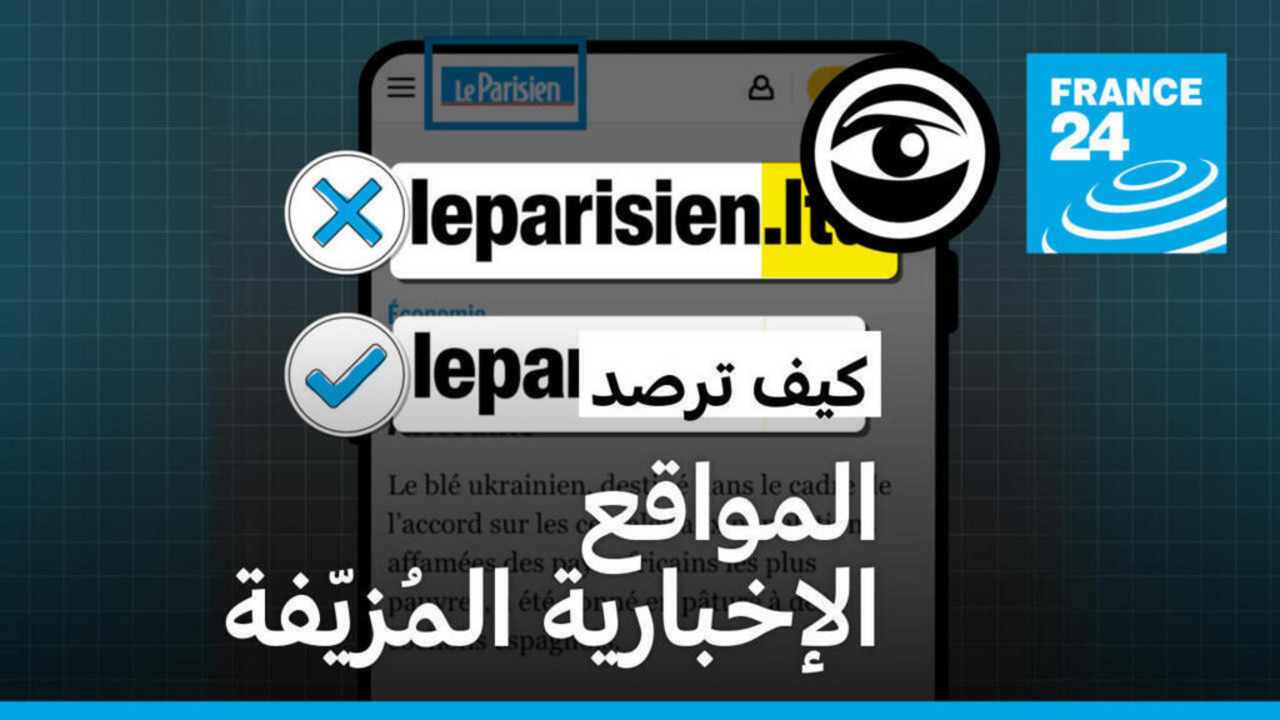
Fake news websites are increasingly prevalent on the internet, exploiting modern technologies, including artificial intelligence, to create content that appears trustworthy. These sites impersonate legitimate news outlets, leading to the dissemination of misleading information aimed at deceiving users and attracting high viewership for advertising revenue.
In light of this phenomenon, the program 'Fact or Fabrication' has prepared a special edition in celebration of School Journalism and Media Week, presenting three main tips to assist users in identifying fake media sites.
Event Details
The tips provided include how to verify news sources, where users are advised to seek information from multiple reliable sources before believing any news. Users should also pay attention to the website's design, as fake news sites often have poor and unprofessional layouts.
Additionally, it is recommended to check the publication date of articles, as old news may be republished in new contexts to mislead readers. These simple steps can help protect users from falling into the trap of fake news.
Background & Context
Historically, media has undergone significant developments with the advent of the internet, allowing everyone the opportunity to publish information. However, this openness has led to difficulties in distinguishing between real and fake news. In recent years, fake sites have become more sophisticated, using artificial intelligence to create content that seems convincing.
This phenomenon poses a significant threat to societies, as fake news can influence public opinion and lead to a lack of trust in the media. Therefore, it is essential to raise awareness about how to identify misleading information.
Impact & Consequences
Fake news websites affect society in multiple ways, as they can lead to chaos and increased division among individuals. The spread of misinformation can also impact political and social decisions, escalating tensions within communities.
Moreover, this phenomenon undermines the credibility of traditional media, making it challenging for the public to distinguish between real and fake news. This requires media outlets to enhance their efforts in providing accurate and reliable information.
Regional Significance
In the Arab region, fake news websites present a significant challenge, with increasing attempts at media deception. This phenomenon can exacerbate political and social crises in Arab countries, as some exploit fake news to achieve specific agendas.
Therefore, it is crucial to promote media literacy among youth and users in general, providing tools to help them recognize fake news and avoid falling into its traps.
In conclusion, verifying information and its sources is a fundamental step in the digital information age. Everyone should be aware of the risks associated with fake news and strive to develop their skills in information verification.