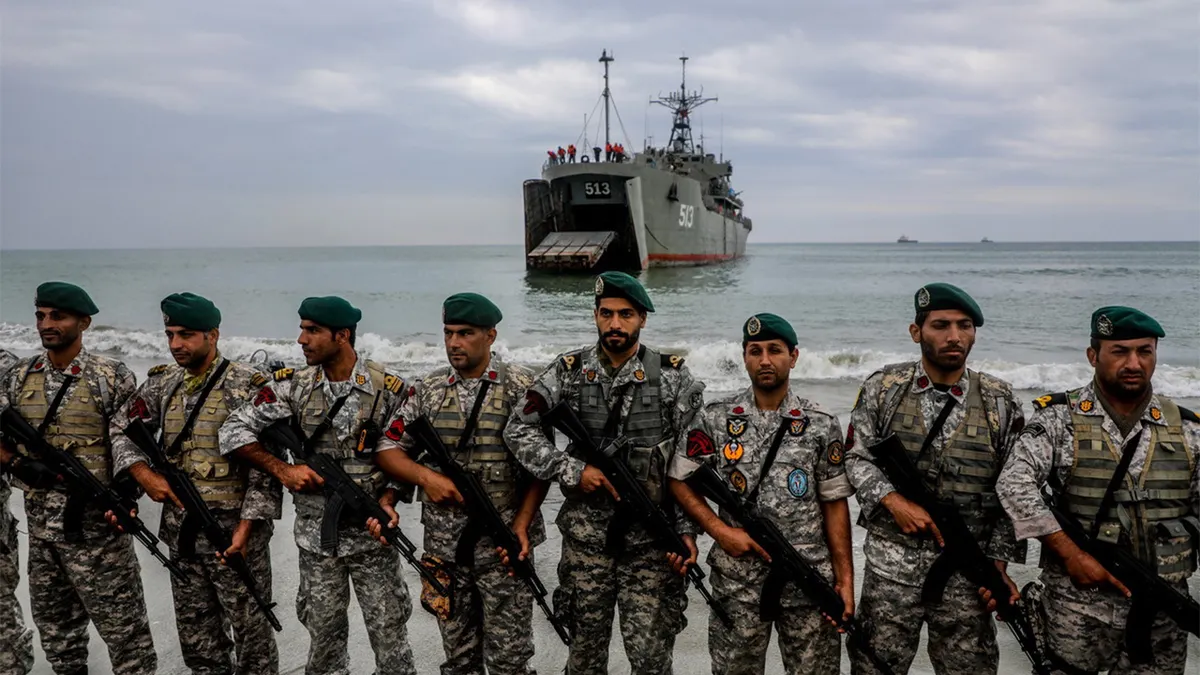
The war on Iran has entered its second month, raising widespread debate within Israeli circles about the military and strategic situation for both Israel and the United States. This comes at a time when anxiety and doubt grip the Israeli public, following a period of absolute support for using force and military strikes against Iran.
In this context, a former Israeli national security advisor pointed out that there are three major strategic mistakes made by Israel, making it difficult to achieve victory in this war. These mistakes relate to military assessments, the inability to form effective alliances, and poor management of military operations.
Details of the Situation
As military operations escalate, the repercussions of the war on Iran are becoming clearer, with increasing fears of potential Iranian retaliations that could include targeting Israeli interests in the region. There is also concern about the impact of this war on Israeli relations with Arab countries, especially amid rising tensions in the area.
The former advisor noted that Israel may have overestimated its military capabilities, leading to decisions that could be ill-considered. He also emphasized the importance of forming alliances with other countries to face common challenges, which has not yet occurred.
Background & Context
Historically, relations between Israel and Iran have seen increasing tensions, especially after Iran developed its nuclear program. Israel has viewed this program as an existential threat, prompting it to take preemptive military steps. However, the current war comes at a sensitive time, with international pressures on Iran increasing, complicating the situation further.
In recent years, Israel has attempted to strengthen its alliances with Arab countries to counter Iranian influence in the region, but these efforts have not yielded the desired results. The current war may lead to a reassessment of these strategies, especially in light of political changes in the region.
Impact & Consequences
The potential repercussions of this war could be far-reaching, not only for Israel and Iran but for the entire region. If the war continues, tensions between major powers may escalate, potentially leading to military or diplomatic interventions. Continued fighting could also exacerbate humanitarian conditions in affected areas, increasing civilian suffering.
Moreover, this war could impact global markets, particularly in the energy sector, as Iran is one of the main oil-exporting countries. Any disruptions in this sector could lead to price increases and economic repercussions for importing countries.
Regional Significance
For Arab countries, the war on Iran may raise new concerns about escalating regional conflicts. Many Arab nations are worried about the increasing Iranian influence in the region, and this war may lead them to reassess their security and defense strategies. There are also fears that the war could escalate sectarian conflicts in some countries, further increasing instability.
In conclusion, the war on Iran remains a complex issue that requires careful analysis and a deep understanding of potential repercussions. The strategic mistakes mentioned may hinder Israel's ability to achieve its objectives, necessitating a reevaluation of current policies.