Health experts have revealed the identity of 'Patient Zero' believed to be the source of the Hantavirus outbreak aboard a ship, raising new concerns about the virus's spread. This discovery comes at a critical time as fears of pandemics increase.
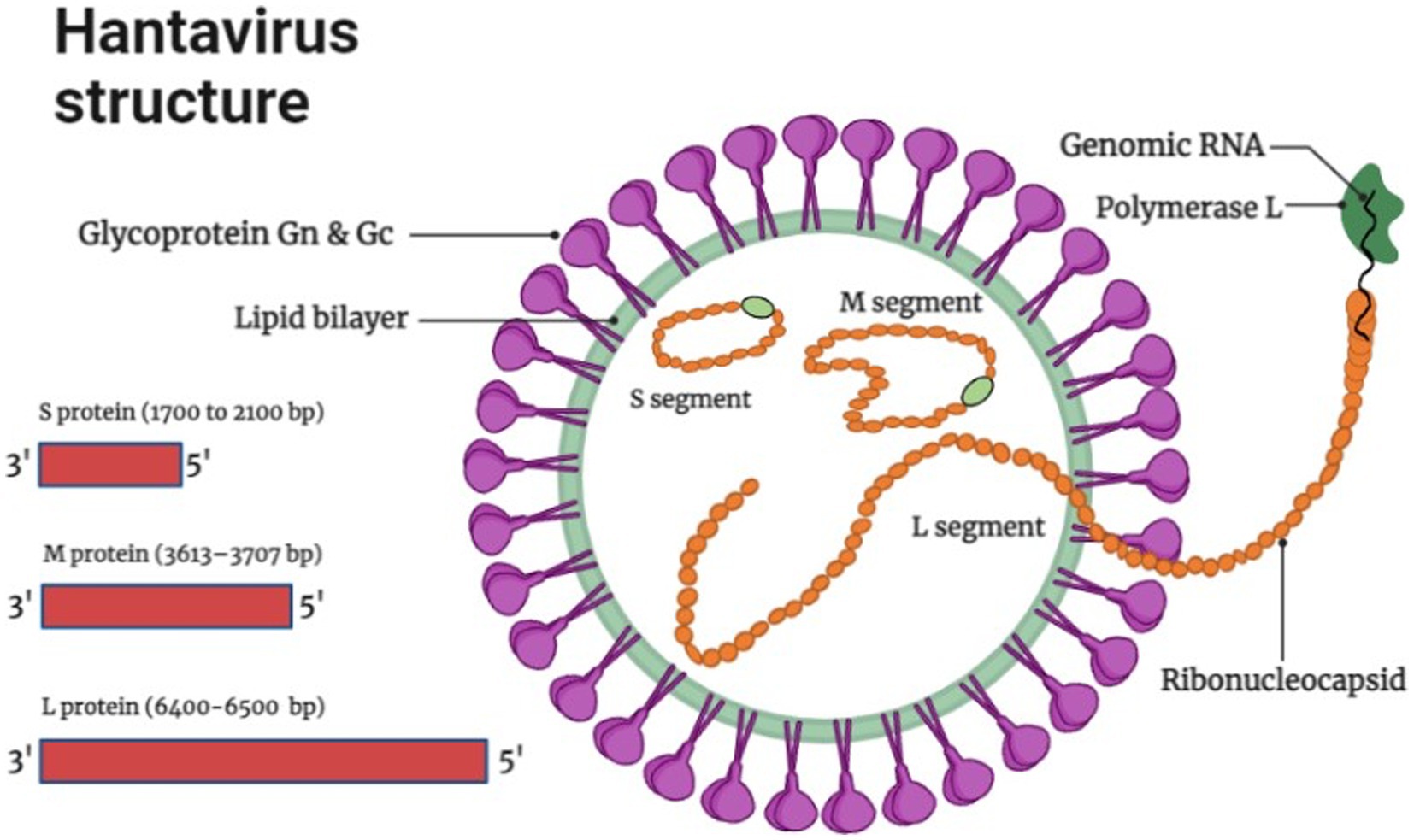
The Hantavirus is a virus belonging to a family of viruses transmitted by rodents, with reported cases in several countries. This virus is considered dangerous as it can lead to severe health complications, necessitating strict preventive measures.
Details of the Incident
'Patient Zero' was identified after a series of tests and analyses conducted by a team of doctors and researchers. The results indicated that this individual was the first to show symptoms of the virus, leading to the transmission of the infection to others aboard the ship. All individuals who had contact with this person have been isolated in an effort to limit the virus's spread.
Symptoms of Hantavirus include fever, muscle aches, cough, and difficulty breathing, and infection can lead to acute respiratory syndrome. It is crucial to raise awareness about how this virus is transmitted and ways to prevent it.
Background & Context
The Hantavirus is not new; it was first discovered in the United States in the 1980s, and since then, cases have been reported in several countries. However, outbreaks of the virus on ships or in enclosed spaces can be more dangerous, as they facilitate the transmission of infection among individuals.
Historically, the world has witnessed several epidemics caused by similar viruses, highlighting the importance of preparedness to face such health challenges. Research has shown that viruses transmitted by rodents pose a significant public health risk, especially in areas where these animals are prevalent.
Impact & Consequences
The outbreak of Hantavirus can have widespread effects on public health, potentially leading to increased cases of infection and fatalities. This outbreak may also impact tourism and trade, particularly in areas with significant tourist activity.
Such epidemics require a rapid response from health authorities, including necessary testing and providing appropriate treatment for those infected. Governments must also enhance public awareness regarding how to prevent viruses transmitted by rodents.
Regional Significance
Although Hantavirus has not been significantly reported in the Arab region, its outbreak anywhere can have negative implications for public health. Arab countries must be prepared to face similar health threats by strengthening healthcare systems and providing health education to citizens.
Ultimately, the identification of 'Patient Zero' represents an important step in combating Hantavirus and should serve as a motivation to intensify global efforts to address epidemics.