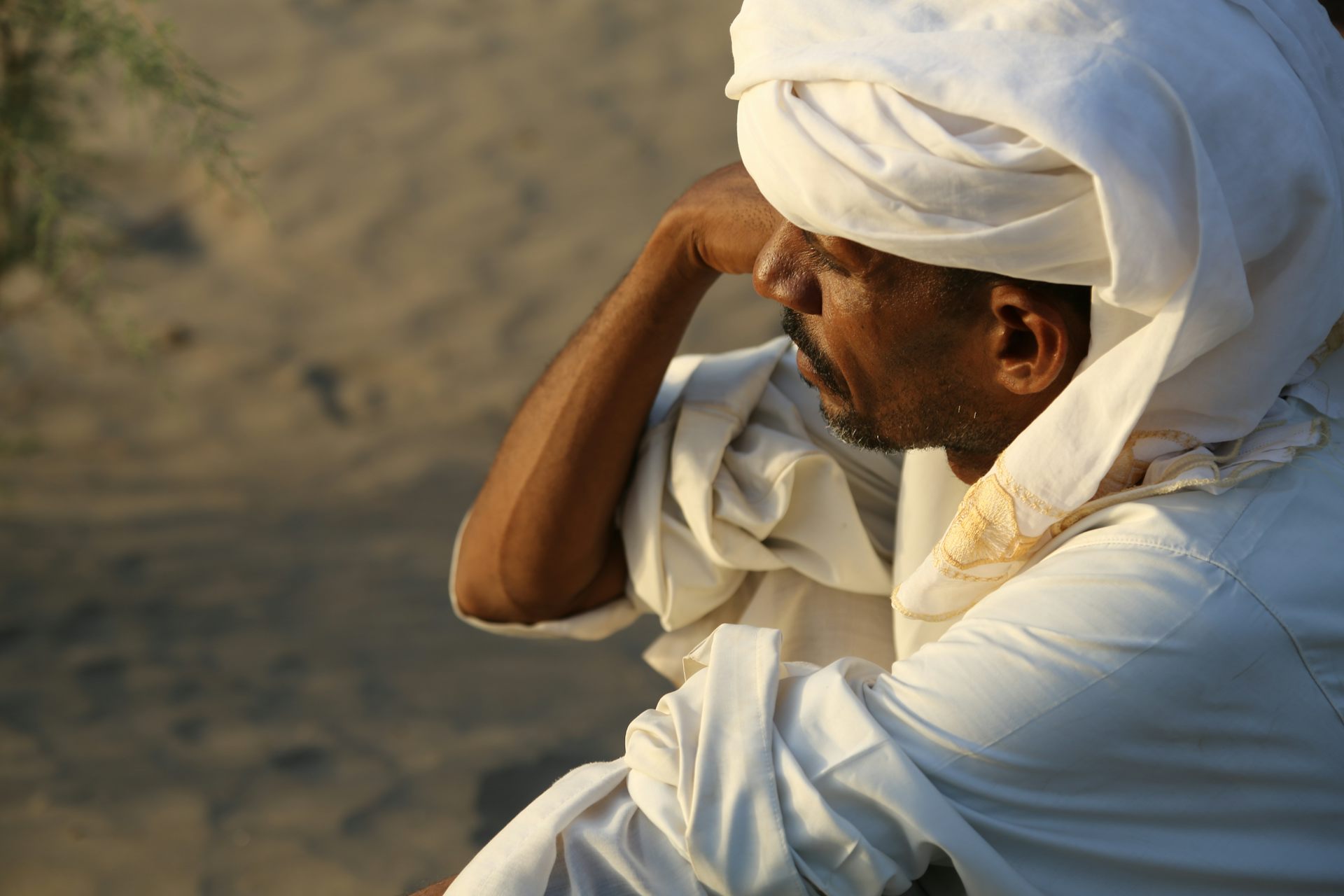
The identity dilemma between the self and the other is evident in Arab societies, where individuals strive to balance personal identity and belonging. This issue raises questions about its impact on social and cultural relationships.
There are multiple dimensions to the concept of the self, representing the individual and their unique identity, while the other represents the surrounding community or culture. In this context, the challenge arises in maintaining individual identity without losing collective belonging.
Details of the Issue
Opinions vary on how the self and the other influence identity formation. Some thinkers argue that the self enhances individual strength and enables self-expression, while others believe that focusing on the self may lead to isolation from society.
In Arab societies, these concepts intertwine with traditions and customs, complicating matters further. Economic, political, and social challenges play a significant role in shaping identity, placing individuals in a state of tension between preserving their traditions and opening up to other cultures.
Background & Context
Historically, Arab societies have experienced cultural diversity, where various identities interacted with one another. However, political and social changes have led to the emergence of nationalist and religious tendencies that may negatively affect the interaction between the self and the other.
These dynamics are part of modern Arab history, where countries have witnessed internal and external conflicts that have impacted the concept of identity. With the rise of globalization, it has become essential to reconsider how identity is understood in the contemporary context.
Impact & Consequences
The dilemma of the self and the other affects social relationships, potentially leading to divisions within society. In some cases, individuals may feel compelled to choose between their individual identity and collective belonging, creating tensions and conflicts.
Moreover, these dynamics can influence politics and economics, as divisions may weaken cooperation and development. Therefore, it is crucial to promote dialogue and understanding among different identities to ensure the construction of a cohesive society.
Regional Significance
The repercussions of this issue transcend national borders, affecting relationships between Arab countries. Internal conflicts may exacerbate regional crises, necessitating cooperation among states to enhance stability.
Ultimately, collective efforts are required to understand and promote identity in the context of the self and the other, contributing to the establishment of a cohesive Arab society capable of facing challenges.