The Illinois House of Representatives approved a bill on Wednesday that mandates leading AI laboratories such as OpenAI, Anthropic, and Google DeepMind to subject their safety practices to third-party audits. If signed into law, this legislation will represent a pioneering move in regulating the power of major corporations in the AI sector.
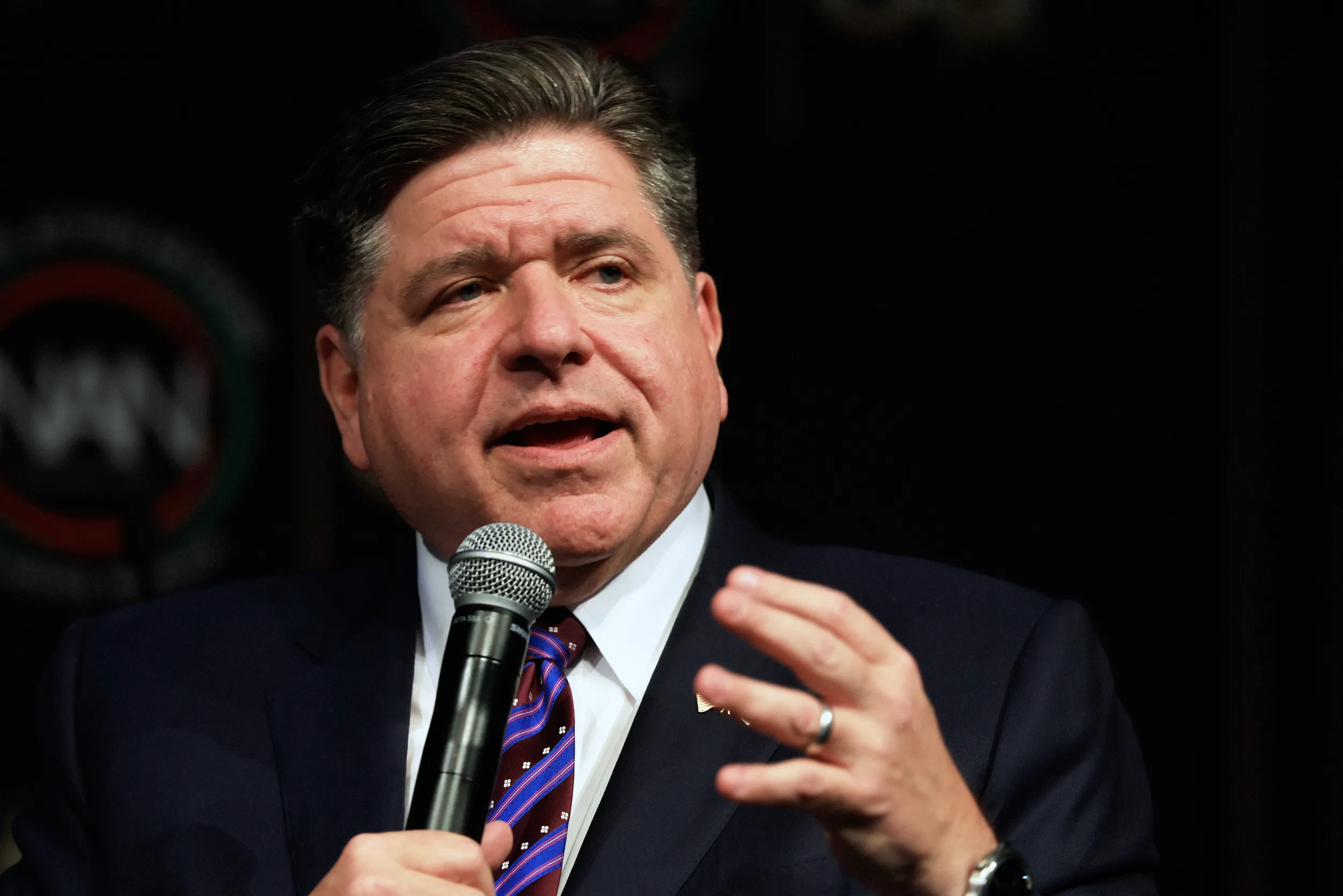
The bill, known as SB 315, is now awaiting the signature of Governor JB Pritzker, who announced via social media his intention to sign it, emphasizing the need for accountability among major tech companies.
Details of the Legislation
In the absence of any effective federal legislation regarding AI safety, state legislators have introduced bills aimed at demonstrating their commitment to overseeing Silicon Valley companies. As AI tools gain popularity, polls indicate that American voters are calling for more regulation in this area.
Consequently, state legislators have become a key battleground for discussions on how to shape these laws. Chris Lehan, head of global affairs at OpenAI, stated that the company's policy is now oriented towards supporting a range of similar state-level laws.
Background & Context
Illinois is considered one of the main arenas in the ongoing struggle over AI legislation. Previously, OpenAI supported a bill that allowed AI laboratories to avoid liability if their models caused catastrophic harm. However, Lehan later indicated that the company's support for that legislation was a mistake, clarifying that they did not endorse the liability shield in the bill.
The SB 315 bill represents an additional step towards enhancing safety standards, as it requires AI laboratories to employ independent auditors to verify their compliance with safety standards, which was not previously mandated.
Impact & Consequences
If SB 315 becomes law, it will require AI laboratories to utilize major accounting firms such as Deloitte, EY, KPMG, and PwC to conduct audits of their safety practices. Laboratories may also enlist members from the AI Assessment Forum, a coalition of smaller research organizations.
Daniel Diedrich, one of the bill's sponsors, believes that state legislators play a crucial role in shaping AI policy in America, making it a testing ground for any potential federal laws that may arise in the future.
Regional Significance
As the use of AI increases in the Arab world, Illinois's experience could serve as a model for Arab countries. Similar legislation could contribute to enhancing safety and trust in the use of AI technologies, thereby supporting innovation and growth in this sector.
In conclusion, the SB 315 bill represents an important step towards regulating AI, reflecting the growing need to monitor this advanced technology to ensure its safety and reliability.