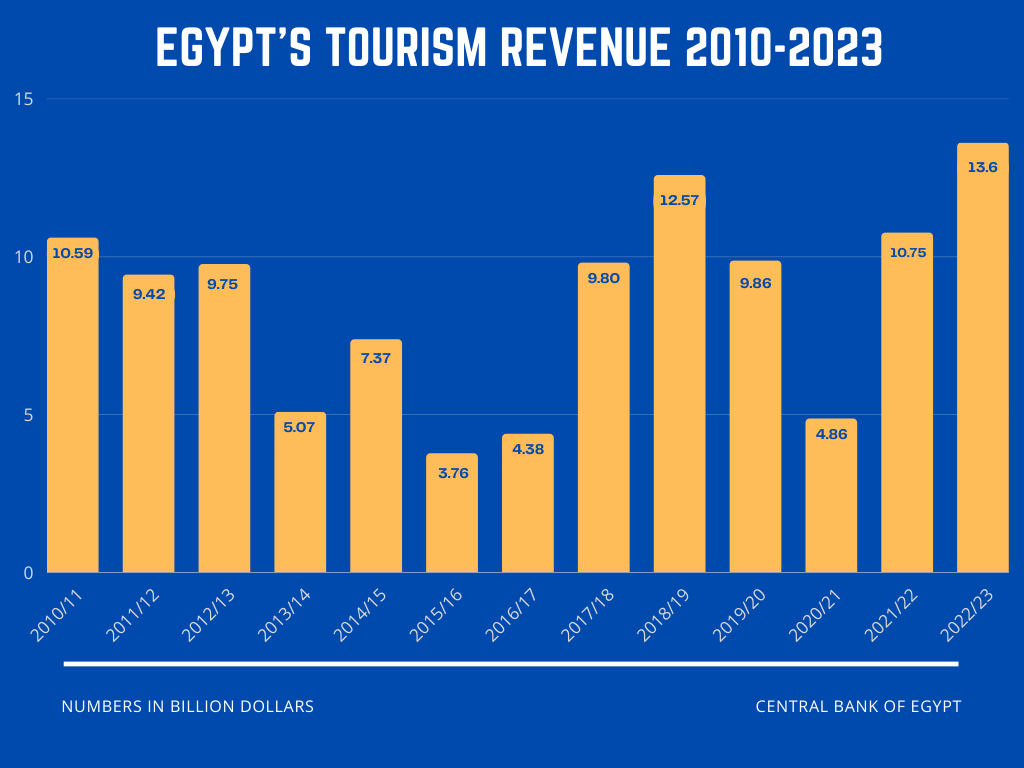
The International Monetary Fund (IMF) forecasts that Egypt's tourism revenue will reach $19.9 billion by the end of the current fiscal year, reflecting the recovery of the tourism sector after the significant challenges faced during the COVID-19 pandemic. This prediction comes at a time when the Egyptian government is striving to enhance tourism as one of the main sources of national revenue.
Tourism is considered a vital sector in the Egyptian economy, contributing significantly to the gross domestic product and providing job opportunities for millions of Egyptians. In recent years, Egypt has witnessed intensive efforts to improve its tourism infrastructure and enhance security, which has helped attract more international visitors.
Event Details
The IMF reported in its latest report that tourism revenues have shown a remarkable recovery, increasing significantly compared to previous years. This recovery comes after a period of stagnation due to travel restrictions and lockdowns imposed by the COVID-19 pandemic. The report indicated that the number of tourists visiting Egypt this year has exceeded expectations, reflecting a strong desire from tourists to explore the country's historical and cultural landmarks.
The Egyptian government aims to achieve ambitious goals in the tourism sector, having set plans to attract 30 million tourists by 2030. This goal is part of Egypt's Vision 2030, which aims to diversify income sources and strengthen the national economy.
Background & Context
Historically, tourism has been one of the main pillars of the Egyptian economy, attracting millions of tourists annually, especially from Europe and the Middle East. However, this sector has faced several crises, starting from the political unrest in 2011 to the COVID-19 pandemic, which led to a sharp decline in tourist numbers.
In recent years, the government has worked to improve Egypt's image as a safe tourist destination by enhancing security and developing infrastructure. Promotional campaigns have also been launched to attract tourists, contributing to increased awareness of Egyptian tourist destinations.
Impact & Consequences
The rise in tourism revenues is a positive indicator of the recovery of the Egyptian economy, as it contributes to increased investments and improved living standards for citizens. This recovery may also create more job opportunities, enhancing social and economic stability in the country.
However, the biggest challenge remains to sustain this growth amid global changes and economic challenges. Sustainable strategies are required to ensure the continuous flow of tourists and improve the quality of services provided to them.
Regional Significance
Tourism is a vital sector in many Arab countries, significantly contributing to their economies. Egypt's success in boosting its tourism can serve as a model for other countries in the region, especially those facing similar challenges.
Additionally, the recovery of tourism in Egypt may enhance tourism cooperation among Arab countries, promoting opportunities for cultural and economic exchange.
In conclusion, the tourism sector in Egypt is at a critical juncture, requiring the concerted efforts of the government and the private sector to ensure the continuity of success and growth in this vital field.