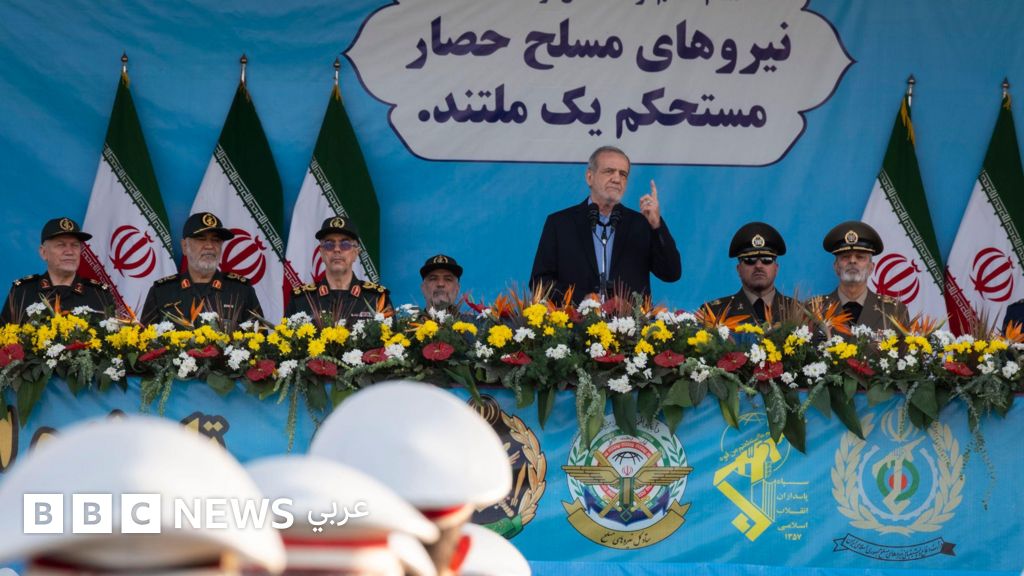
A Bloomberg report reveals that the International Monetary Fund (IMF) is conducting analytical studies to identify countries that may require financial support if the conflict with Iran persists. This initiative comes amid increasing challenges facing the global economy, raising concerns for many nations that could be directly or indirectly affected by the repercussions of this war.
Fears are growing that the ongoing conflict could exacerbate economic conditions in the Middle East, where many countries rely on regional stability for growth and development. According to sources, the IMF is focusing on assessing the economic situations of countries neighboring Iran, which may face financial pressures as a result of the conflict.
Details of the Initiative
The studies being conducted by the IMF include a comprehensive analysis of the economies that may be impacted by the war, evaluating economic, social, and political factors. The Fund aims to identify potential financial needs and provide timely support.
This initiative is part of the IMF's efforts to support financial stability in the region, as it seeks to assist countries that may struggle to cope with the economic challenges arising from the conflict. Reports indicate that the Fund may consider multiple options for providing support, including concessional loans or technical assistance programs.
Background & Context
Historically, the Middle East has witnessed numerous armed conflicts that have significantly impacted the economies of the involved countries. The war with Iran, which began in recent years, could have far-reaching implications for regional stability. In this context, the IMF is one of the key entities looking to provide financial support to affected countries.
In recent years, countries like Iraq and Syria have faced significant economic challenges due to armed conflicts. Previous experiences have shown that international financial support can have a positive impact on the stability of these nations, helping them recover from the effects of conflict.
Impact & Consequences
If the war with Iran continues, its repercussions may include rising unemployment rates, declining foreign investment, and increasing inflation levels in neighboring countries. These factors could exacerbate economic and social conditions, increasing the need for international financial support.
Moreover, the ongoing conflict may affect global oil prices, negatively impacting the economies of countries that rely on oil exports. In this context, support from the IMF is vital for maintaining economic stability in the region.
Regional Significance
The Arab countries neighboring Iran are considered the most vulnerable to the consequences of the war, as their economies could be directly affected. If conditions remain unchanged, these countries may require urgent financial support to address the escalating economic challenges.
Additionally, the psychological and social impact of the conflict may lead to increased tensions in the region, which could affect relations between Arab countries and Iran. Therefore, financial support from the IMF could play a significant role in enhancing regional stability.
In conclusion, the question remains open regarding how the situation in the region will evolve and whether the IMF will be able to provide the necessary support to affected countries in a timely manner. The continuation of the conflict with Iran may present many nations with new challenges, necessitating a concerted international effort to address these crises.