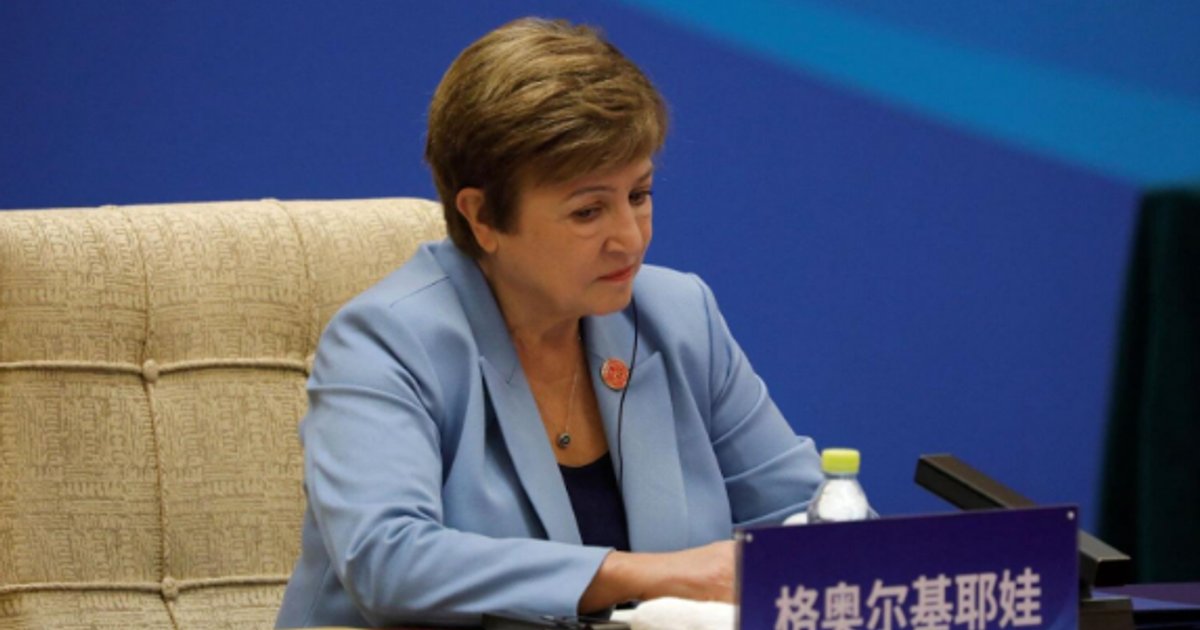
Kristalina Georgieva, the Managing Director of the International Monetary Fund, announced that the IMF will reduce its growth forecasts for Gulf economies in its upcoming report, citing economic challenges facing the region. This announcement comes at a critical time as Gulf countries strive for economic stability amid global market fluctuations.
The economic pressures on Gulf countries are increasing due to changes in oil prices, along with challenges stemming from global inflation. Georgieva confirmed that these factors will significantly impact economic growth in the coming years, necessitating a reassessment of previous forecasts.
Details of the Announcement
During a press conference, Georgieva clarified that the IMF will release its new report in the coming weeks, which will include revised forecasts for GDP growth in Gulf countries. She noted that previous forecasts were based on the stability of oil prices, but the current situation requires a comprehensive review.
She also emphasized that the IMF is closely monitoring economic developments in the region and will work with member countries to provide necessary support under these challenging circumstances. This is part of the IMF's efforts to enhance economic stability in the Gulf.
Background & Context
Historically, Gulf economies have heavily relied on oil revenues, making them vulnerable to fluctuations in crude prices. In recent years, these countries have attempted to diversify their economies through investments in other sectors such as tourism and technology.
However, challenges remain, as global crises like the COVID-19 pandemic and the war in Ukraine have significantly impacted economic growth. These factors have prompted the IMF to reevaluate its growth forecasts for these countries.
Impact & Consequences
The expected reduction in growth forecasts may influence the economic policies of Gulf countries, as governments may need to implement austerity measures or redirect their investments. This could affect development projects and increase social pressures.
Moreover, this adjustment in forecasts could impact confidence in financial markets, leading to volatility in stock and bond prices in the region. The current situation requires a swift and effective response from governments to bolster growth and stabilize markets.
Regional Significance
The Gulf countries are considered key drivers of the Arab economy, and any changes in their economic growth could affect neighboring countries. A decline in growth in the Gulf may lead to reduced investments in other Arab nations, negatively impacting their economies.
Additionally, the lowering of growth forecasts could result in increased unemployment rates in some Arab countries, exacerbating economic and social challenges. Therefore, a prompt response from Arab governments will be essential to address these challenges.
In conclusion, the IMF's announcement regarding the reduction of growth forecasts for Gulf countries serves as an important signal about the economic challenges facing the region. The current situation requires collective efforts among Arab countries to enhance stability and economic growth.