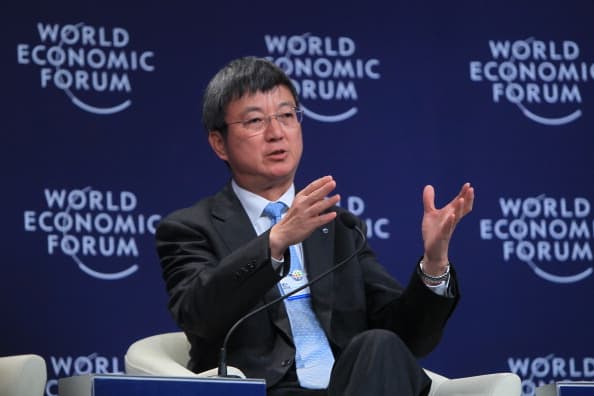
The International Monetary Fund (IMF) has issued a warning regarding the heightened risks facing emerging markets due to hedge fund volatility. Analyses have shown that these funds tend to reduce their investments in the debt of emerging markets during periods of crisis, such as the ongoing conflict in Iran, which increases pressures on these markets.
Reports indicate that hedge funds, which are among the largest investors in financial markets, act swiftly and unpredictably during crises, leading to sharp fluctuations in markets. This behavior can have negative repercussions on financial stability in developing countries, which rely heavily on foreign investments.
Details of the Event
Concerns are growing that the withdrawal of hedge funds from investments in emerging markets could worsen financial crises in these countries. Data has shown that these funds have reduced their holdings of debt during times of crisis, further increasing pressures on currencies and financial markets in developing nations.
This situation requires governments in emerging markets to take proactive measures to protect their economies from sudden fluctuations. They must also work to enhance transparency and trust in the markets to attract sustainable investments.
Background & Context
Historically, emerging markets have witnessed numerous financial crises that were the result of fluctuations in foreign investments. For instance, financial crises in the 1990s led to a significant decline in foreign investments, adversely affecting economic growth in those countries. Today, it appears that the situation is repeating itself with hedge funds emerging as a key factor in these dynamics.
Hedge funds are prominent players in global financial markets, investing in a wide variety of assets. However, their behavior during crises is often unpredictable, increasing risks for emerging markets.
Impact & Consequences
Fluctuations in hedge fund investments can exacerbate economic crises in emerging markets. A decline in foreign investments may lead to a decrease in the value of local currencies and an increase in borrowing costs, placing additional pressures on governments and businesses.
Moreover, these dynamics may affect the ability of developing countries to achieve sustainable growth, widening the economic gap between them and developed nations. Therefore, implementing effective measures to address these challenges becomes essential.
Regional Significance
In the Arab region, many countries heavily rely on foreign investments, making them vulnerable to hedge fund fluctuations. For example, these dynamics may impact economies such as Egypt and Jordan, which face multiple economic challenges.
Thus, enhancing transparency and increasing financial stability become crucial for attracting sustainable investments. Arab governments must also work to improve the business environment and bolster trust in the markets to attract foreign investments.