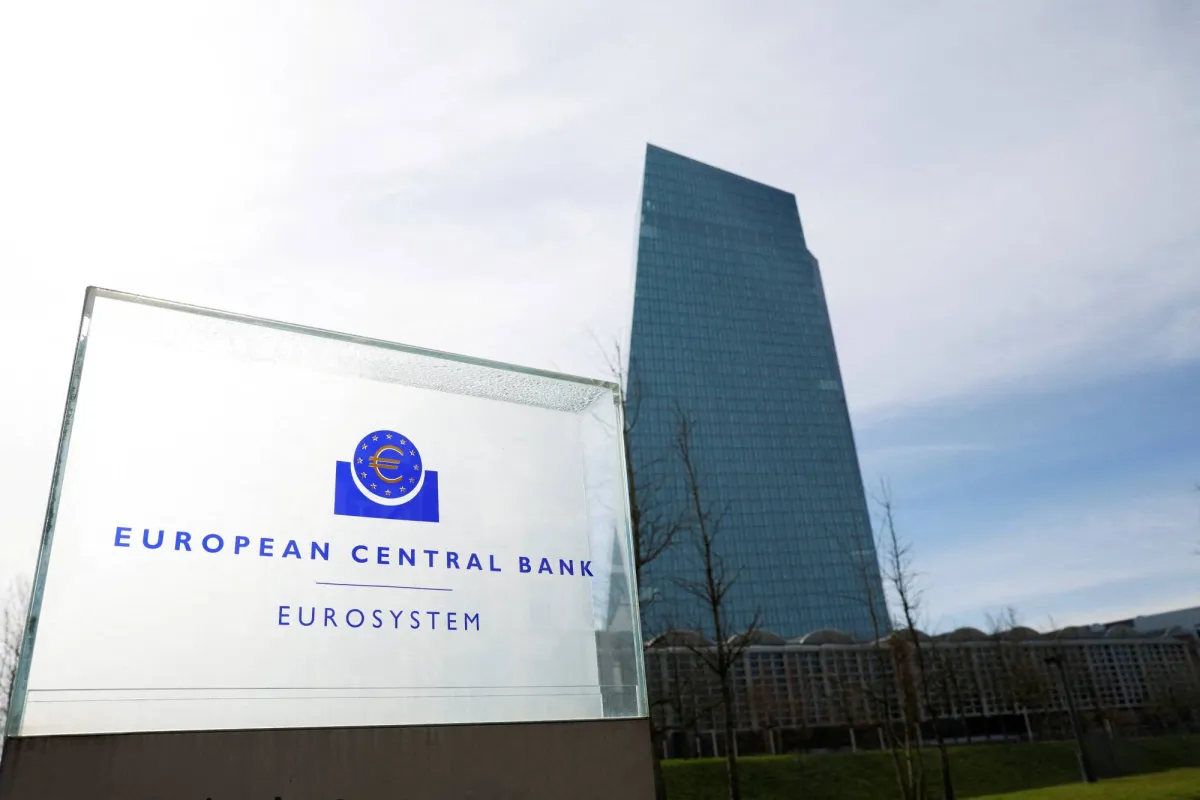
Yannis Stournaras, a member of the European Central Bank's board and Governor of the Bank of Greece, stated during an annual meeting in Athens that the appropriate monetary policy for the Eurozone will be determined based on the scale and nature of energy supply disruptions caused by the conflict in Iran.
Stournaras explained that the rise in energy prices may be temporary, suggesting that the need for monetary policy adjustments would be limited. However, if pressures from rising energy prices persist, a more stringent monetary policy stance may be required due to its potential impact on inflation expectations and wage developments.
Event Details
Stournaras predicted that economic growth in Greece would slow to 1.9% by 2026, affected by weak household consumption and negative external sector effects. He also warned of a slowdown in growth in the Eurozone, which is expected to drop to 0.9% compared to 1.4% in 2025, due to the impact of the conflict in the Middle East and energy market disruptions.
Despite these challenges, the Greek economy is expected to continue outperforming Eurozone economies, reflecting its resilience and progress towards real convergence. Forecasts indicate that investments will remain the main driver of growth, supported by the EU's recovery and resilience mechanism.
Context and Background
These statements come at a sensitive time, as tensions in the Middle East escalate, affecting global energy markets. The Eurozone is particularly sensitive to fluctuations in energy prices, as it heavily relies on imports to meet its energy needs. Recent events have increased uncertainty, raising the risk of stagflation.
Historically, the Eurozone has experienced economic crises due to energy price fluctuations, impacting growth and employment. Therefore, any changes in monetary policy will have wide-ranging implications for the European economy.
Consequences and Impact
If pressures on energy prices continue, this could lead to a sustained rise in inflation, compelling the European Central Bank to take decisive action. Stournaras expects overall inflation to rise to 3.1% in 2026, which is above the Eurozone average.
Forecasts also indicate that financial indicators will remain strong, with a high primary surplus of around 3.2% of GDP, reflecting Greece's ability to face economic challenges.
Impact on the Arab Region
Tensions in the Middle East directly affect global energy markets, which in turn impacts the economies of Arab countries reliant on oil and gas exports. Should disruptions continue, these countries may face challenges in achieving sustainable economic growth.
In conclusion, the current situation necessitates enhanced cooperation and coordination between European and Arab countries to address the economic challenges arising from geopolitical crises.