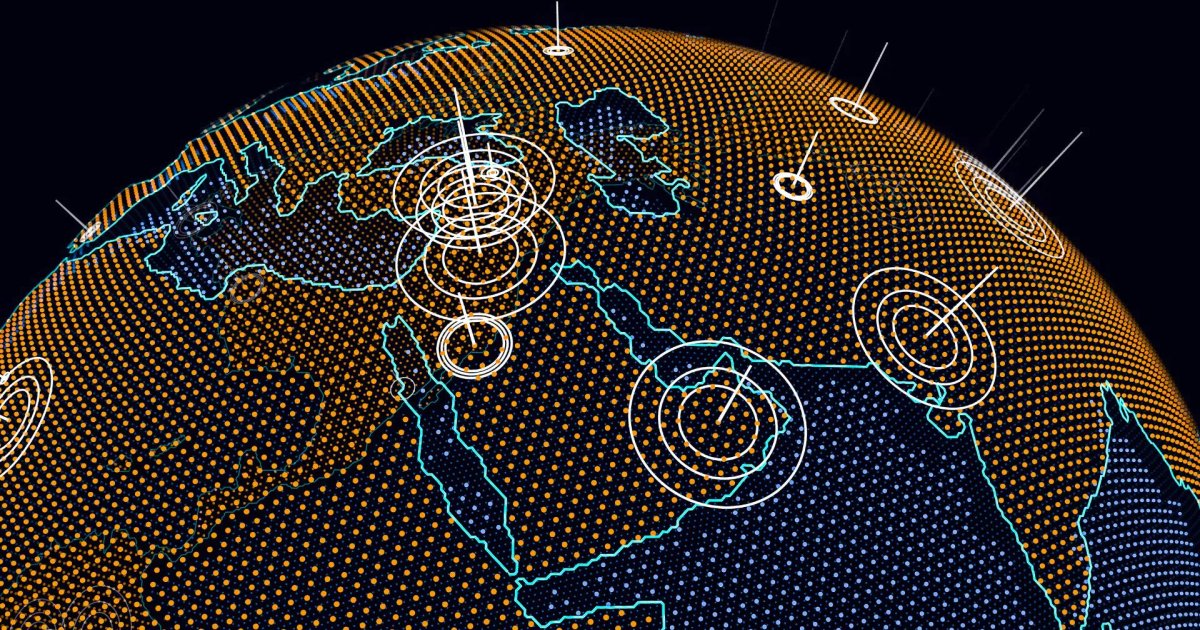
Singapore's Deputy Prime Minister Gan Kim Yong announced that the ongoing conflict in the Middle East will significantly impact the Singaporean economy. The country is expected to experience a slowdown in growth and an increase in prices due to disruptions in energy supplies and global trade.
Gan pointed out that manufacturing companies relying on natural gas and crude oil will be particularly affected, along with industries that consume large amounts of energy, such as electronics and precision engineering.
Details of the Situation
In statements made on Tuesday, Gan explained that air and sea transport, as well as tourism, will suffer from rising costs and weak demand. Local sectors will also face increased operating costs. He confirmed that these sectoral impacts will affect economic activities in the upcoming quarters, although the extent of the impact remains uncertain.
The forecast for Singapore's GDP growth for this year has been revised to between 2% and 4%, following an exceptional growth rate of 5% in 2025. Gan noted that performance in the first three months of the year was strong, but growth is expected to be affected in the coming quarters.
Background & Context
Historically, Singapore has been significantly affected by geopolitical events in the region, being a trading nation that heavily relies on importing energy and essential goods. Conflicts in the Middle East, a major source of oil and gas, directly impact energy prices in global markets, which in turn reflects on the Singaporean economy.
In recent years, Singapore has undergone significant economic transformations, as the government has sought to enhance economic diversity and increase competitiveness. However, ongoing conflicts in the region could hinder these efforts.
Impact & Consequences
The ongoing conflict is expected to lead to increased prices for imported goods, which will particularly affect low-income households, as spending on necessities constitutes a larger portion of their budgets. Additionally, rising fuel and electricity costs may exacerbate economic conditions.
The Monetary Authority of Singapore will closely monitor economic developments, with new inflation forecasts expected to be released on April 14. Gan indicated that the government will provide support to households and businesses to help them cope with these challenges.
Regional Significance
Arab countries are directly affected by conflicts in the Middle East, as the region is a major energy source. Rising oil and gas prices due to conflicts may impact the economies of Arab nations that rely on energy exports. Furthermore, political tensions could lead to fluctuations in global markets.
In conclusion, the current situation requires Arab countries to strengthen cooperation among themselves to address the economic challenges arising from conflicts. Clear strategies must be in place to ensure market stability and enhance competitiveness.