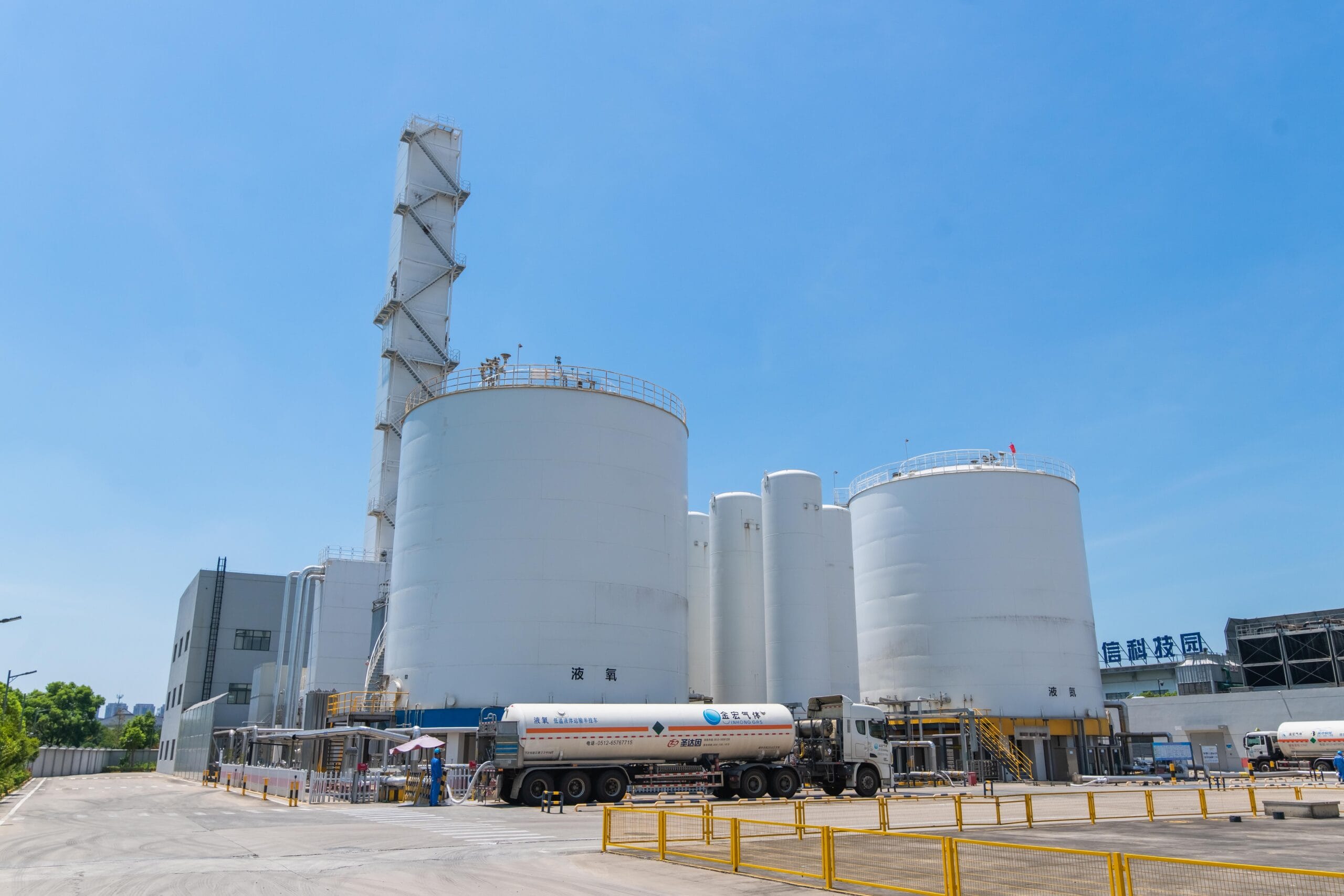
The global technology markets are under strain due to escalating conflicts in the Middle East, leading to a marked decline in stock prices. While investments in artificial intelligence are on the rise, helium emerges as an unexpected risk threatening the stability of this industry. Ann Meliti, head of equity investments at Olsberg Global, confirmed that approximately 30% of global helium supplies are linked to the Middle East, making the conflict in Iran a significant factor affecting semiconductor production.
Semiconductors are essential components in modern technology, utilized in everything from smartphones to electric vehicles. As reliance on these components increases, any disruption in helium supplies could lead to rising costs and production delays, impacting major companies in this sector.
Event Details
Amid rising tensions, analysts expect technology companies to face significant challenges in securing helium supplies, a rare gas that plays a vital role in manufacturing processes. Some experts have indicated that rising helium costs could negatively affect final product prices, potentially leading to increased costs for consumers.
The conflict in Iran may also exacerbate the economic situation in the region, increasing instability and affecting global markets. With growing demand for technology, companies may find themselves compelled to seek alternatives to helium, which could require substantial investments in research and development.
Background & Context
Historically, the Middle East has been a major hub for helium production, with many countries contributing to the supply of this vital material. However, political and economic conflicts in the region have led to fluctuations in supplies, raising concerns among global companies. In recent years, we have witnessed how political events have impacted energy and technology markets, complicating the current situation further.
Helium is a crucial material in numerous applications, including medicine, space, and electronics. As reliance on these applications grows, any disruption in supplies could have far-reaching effects on innovation and economic growth.
Impact & Consequences
The repercussions of helium shortages extend beyond the technology industry, potentially affecting a wide range of sectors. With increasing demand for technological products, companies may find themselves in a difficult position, needing to make strategic decisions on how to manage supply shortages.
Furthermore, rising helium costs could lead to price increases in the market, affecting consumers' purchasing power. Under these circumstances, companies may need to reassess their production and marketing strategies to address new challenges.
Regional Significance
For Arab countries, the situation in the Middle East represents both an opportunity and a challenge. Disruptions in helium supplies could increase interest in investing in alternative sources, potentially opening new avenues for economic growth. However, political instability may hinder these efforts.
Ultimately, Arab nations must be prepared to face the challenges that may arise from these circumstances by enhancing regional cooperation and investing in technological innovation.