The economies of the Gulf countries, Iraq, and Morocco are significantly affected by escalating crises in the region, facing complex economic challenges amid ongoing conflicts. This situation reflects increasing impacts on economic growth and financial stability, placing these nations in a difficult position that requires swift and effective responses.
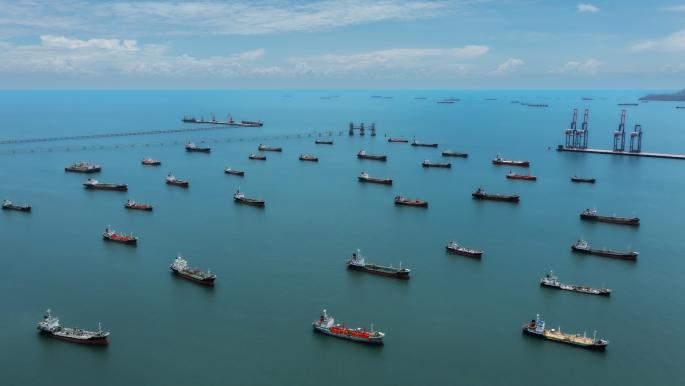
The crises affecting the region are numerous, ranging from military conflicts to political tensions, directly impacting trade and investment flows. In this context, the Strait of Hormuz is a vital point, through which approximately 20% of the world's total oil passes, making any threat to it have widespread effects on the economies reliant on these resources.
Details of the Current Situation
Reports indicate that the current crises in the region, including conflicts in Yemen and Syria, along with tensions between Iran and the United States, have led to increased economic risks. Gulf countries, such as Saudi Arabia and the United Arab Emirates, heavily depend on oil exports, and any disruption in these supplies could lead to sharp price fluctuations.
In Iraq, the economy suffers from the repercussions of ongoing conflict, with foreign investments declining significantly. Moreover, Morocco, despite not being in a direct conflict zone, is also affected by economic fluctuations in the Gulf due to close trade relations.
Context and Background
Historically, the region has suffered from ongoing conflicts, but the current situations are considered among the most complex. Since 2011, many Arab countries have witnessed political and security disturbances, affecting their economic stability. In this context, the Strait of Hormuz serves as a lifeline for Gulf economies, with many relying on oil exports through it.
The economic crises in these countries are a direct result of political tensions, with economic growth declining in many nations, increasing unemployment and poverty rates. The heavy reliance on oil makes these countries vulnerable to fluctuations in global prices.
Consequences and Impacts
The consequences arising from the current crises are manifold, affecting foreign investments, increasing inflation rates, and weakening the purchasing power of citizens. In countries like Iraq, the crises have led to the deterioration of infrastructure and a decline in essential services, exacerbating the suffering of citizens.
In Gulf countries, political tensions lead to increased military spending at the expense of economic development. Additionally, the crises affect tourism, which is a primary source of revenue in many of these nations.
Impact on the Arab Region
The crises in the Gulf, Iraq, and Morocco are part of a larger picture reflecting the state of instability in the Arab region. Political and economic tensions affect all Arab countries, with growing concerns about the spread of crises to other nations.
Ultimately, the current situation requires a coordinated response from Arab countries, as economic and political cooperation must be strengthened to face common challenges. The stability of the region depends on these nations' ability to effectively address crises and provide sustainable solutions that enhance economic growth and achieve stability.