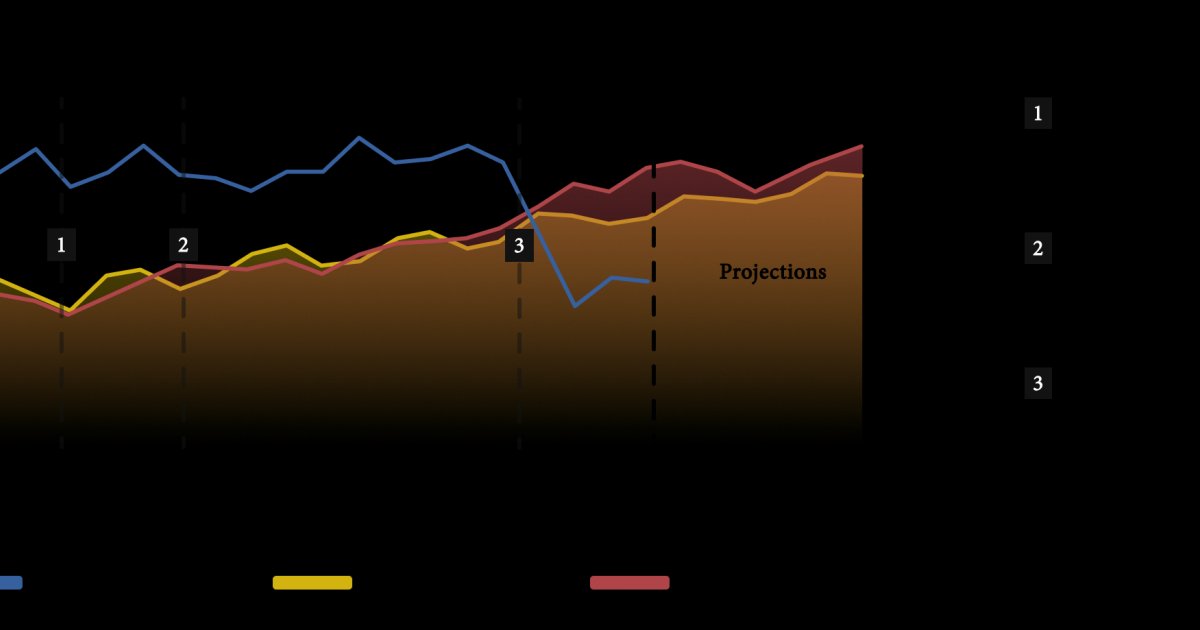
Global energy markets are undergoing significant transformations due to fuel spreads, raising concerns about their impact on prices and supplies. Experts warn that these changes could have far-reaching consequences for the global economy.
The challenges facing energy markets are increasing, as reports indicate that fuel spreads, which refer to the difference between various fuel prices, could significantly affect price stability. In the current circumstances, attention is focused on how countries will address these challenges.
Details of the Event
Reports indicate that fuel spreads have risen markedly in recent months, leading to price increases in many markets. This rise comes at a time when many countries are still grappling with the repercussions of the COVID-19 pandemic, which has impacted supply chains and energy prices.
Markets are directly affected by increased transportation and production costs, which are reflected in the prices of goods and services. Many analysts have pointed out that this increase could lead to inflation, putting additional pressure on consumers.
Background & Context
Historically, energy markets have experienced significant fluctuations due to geopolitical events and economic changes. For instance, conflicts in oil-producing regions have sharply increased prices. Currently, the rise in fuel spreads coincides with global economic crises, complicating the situation further.
Moreover, climate change and environmental policies play a crucial role in shaping the future of energy markets. Many countries are striving to reduce their reliance on fossil fuels, which may impact prices and supplies in the future.
Impact & Consequences
The increase in fuel spreads is expected to have broad economic repercussions, as oil-importing countries may face financial pressures. While producing countries might benefit from rising prices, they could also encounter challenges in maintaining market stability.
There are growing concerns that these changes could exacerbate economic crises in some countries, potentially leading to social protests and increased unemployment rates. In light of these circumstances, governments must take swift action to mitigate negative effects.
Regional Significance
The Arab region is one of the largest oil producers in the world, and thus any changes in fuel prices directly impact its economies. Countries that heavily rely on oil exports may face significant challenges if prices continue to rise.
On the other hand, some countries may benefit from this price increase, potentially boosting their investments in renewable energy projects. This shift could contribute to achieving sustainable development goals in the region.
In conclusion, the impact of fuel spreads on global markets remains a complex issue that requires close monitoring. Countries must take proactive steps to address potential challenges and ensure the stability of energy markets.