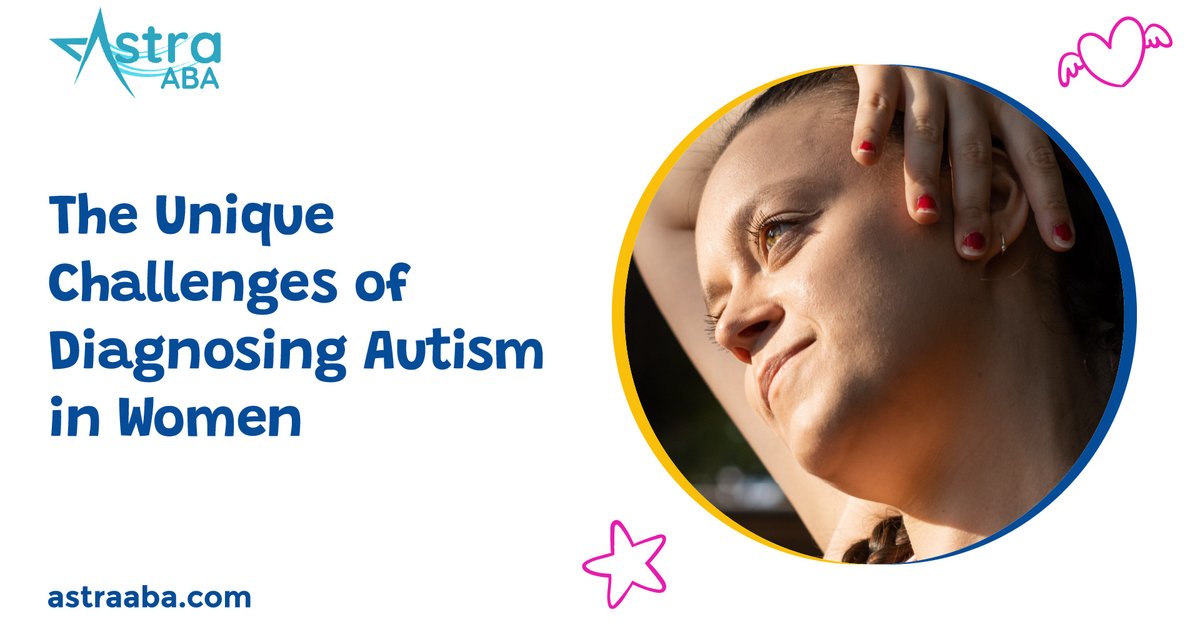
Recent research indicates that many women with autism experience delays in diagnosis due to a phenomenon known as 'masking'. This phenomenon involves women attempting to hide their autism symptoms or adapt to them to avoid social stigma. This highlights the urgent need for more accurate and comprehensive diagnostic methods.
Studies show that women often exhibit symptoms that differ from those of men, leading to misrecognition of their condition. For instance, women with autism may display more socially conforming behaviors, making it difficult for doctors to identify their condition. This challenge necessitates a reevaluation of how we understand and diagnose autism.
Details of the Issue
In recent years, the gap in autism diagnosis between genders has been highlighted. According to multiple reports, women are diagnosed with autism much later than men, exacerbating mental and emotional health issues. This is attributed to the symptoms being less obvious or presenting differently, making it challenging for doctors to recognize them.
Research shows that women may exhibit better social skills, creating a false impression that they do not have autism. This complicates the diagnostic process, as women are believed to be better able to adapt to social pressures, which masks the appearance of symptoms.
Background & Context
Historically, autism has been more focused on men, leading to a lack of research concerning women. In recent years, scientists have begun to realize that autism is not merely a condition that displays certain behaviors, but rather a broad spectrum of symptoms that can vary significantly among individuals. This new understanding aids in reassessing how to handle autism cases, especially among women.
Studies indicate that women with autism may face additional issues such as anxiety and depression, further complicating their condition. This requires doctors and mental health professionals to be more aware of autism symptoms in women and to take effective steps to improve diagnosis and treatment.
Impact & Consequences
This phenomenon significantly impacts the lives of women with autism. Delays in diagnosis can lead to worsening symptoms and increased mental health issues. Additionally, failing to correctly identify the condition may result in a lack of appropriate support and treatment, negatively affecting their quality of life.
Moreover, insufficient awareness about autism in women can contribute to the continuation of social stigma. It is crucial for society to better understand autism and for individuals to receive the support they need without fear of judgment or stigma.
Regional Significance
In the Arab region, the topic of autism remains a sensitive issue that requires further awareness. Many families suffer from a lack of information about autism, leading to late recognition of symptoms. It is essential for governments and health institutions to raise awareness about autism and provide support to affected families.
This issue presents an opportunity to enhance dialogue about mental health in Arab communities, which could improve health services provided to women and children. By increasing awareness, we can help reduce stigma and promote a correct understanding of autism.