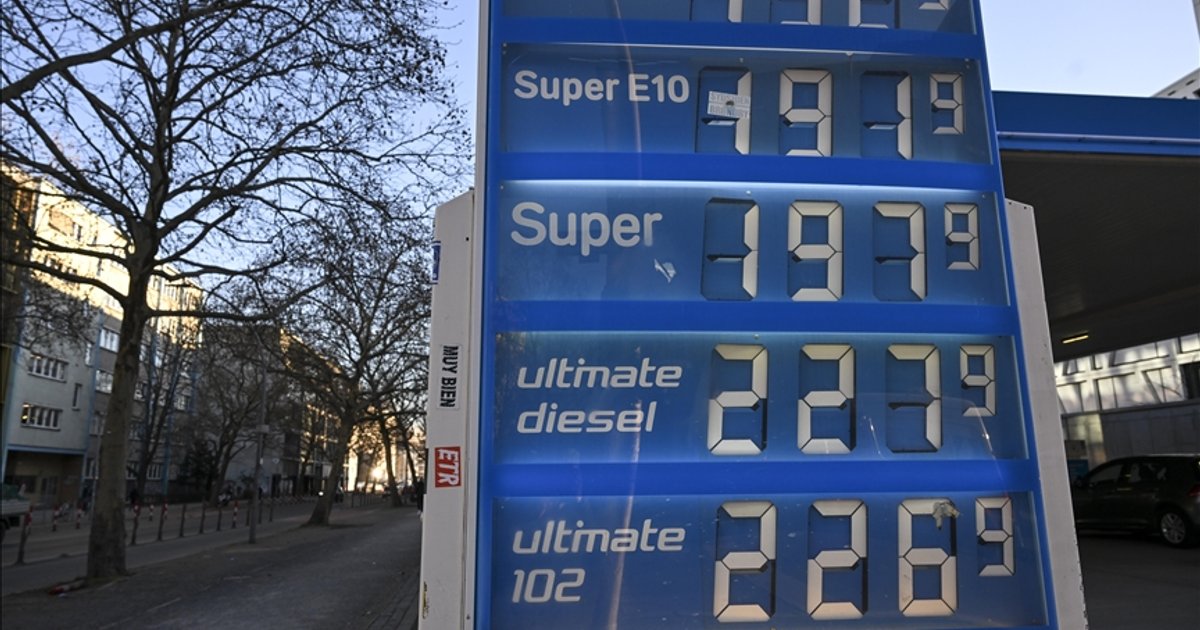
The ongoing conflict in Iran has disrupted oil and LNG supplies from the Gulf, prompting European nations to seek alternative energy sources amid unprecedented price hikes. A month into the war, Europe faces significant challenges in securing its energy needs, with prices rising sharply, impacting local economies.
European countries, which heavily rely on energy imports from the Middle East, are striving to diversify their sources and reduce dependence on Iranian oil and gas supplies. Reports indicate that oil prices have surged by up to 20% since the onset of the conflict, increasing pressure on households and businesses across the continent.
Details of the Situation
Concerns in Europe are growing that the ongoing conflict in Iran could exacerbate the global energy crisis. Iran is one of the largest oil producers in the world, and any disruption in its supplies can significantly impact global markets. Data has shown that some European countries have begun importing larger quantities of LNG from the United States and Qatar in an effort to offset potential shortages of Iranian supplies.
Additionally, some European nations have started exploring renewable energy sources such as solar and wind power as part of their strategy to reduce reliance on fossil fuels. However, the transition to renewable energy sources requires time and significant investments, complicating matters under the current circumstances.
Background & Context
Historically, Iran has been a key player in the global oil market, possessing vast reserves of oil and gas. However, economic sanctions imposed on Iran due to its nuclear program have curtailed its ability to export oil. With the outbreak of the current conflict, the situation has become more complex, as tensions between Iran and Western nations rise, increasing uncertainty in the markets.
In recent years, energy prices have experienced significant fluctuations due to geopolitical crises, such as the conflict in Ukraine. These crises have led to increased demand for alternative energy, contributing to rising prices overall. As the conflict in Iran continues, experts predict that these trends will persist in affecting global markets.
Impact & Consequences
The rise in energy prices affects all aspects of the economy, from living costs to production expenses. In Europe, high prices may lead to increased inflation, placing additional pressure on governments and businesses. Furthermore, rising prices could impact the competitiveness of European industries in global markets.
Moreover, the conflict in Iran may exacerbate humanitarian crises in the region, as many countries suffer from energy and food shortages. This could lead to increased migration and displacement, adding further burdens on European countries that receive refugees.
Regional Significance
For Arab countries, the conflict in Iran represents both a challenge and an opportunity. While some nations may be negatively affected by rising prices, others may benefit from increased demand for oil and gas. For instance, countries like Saudi Arabia and Qatar may gain from the heightened demand for alternative energy supplies.
Ultimately, the conflict in Iran remains a complex issue that requires international coordination for resolution. As its impact on global markets continues, Arab nations need to prepare for the economic challenges that may arise from these changing circumstances.