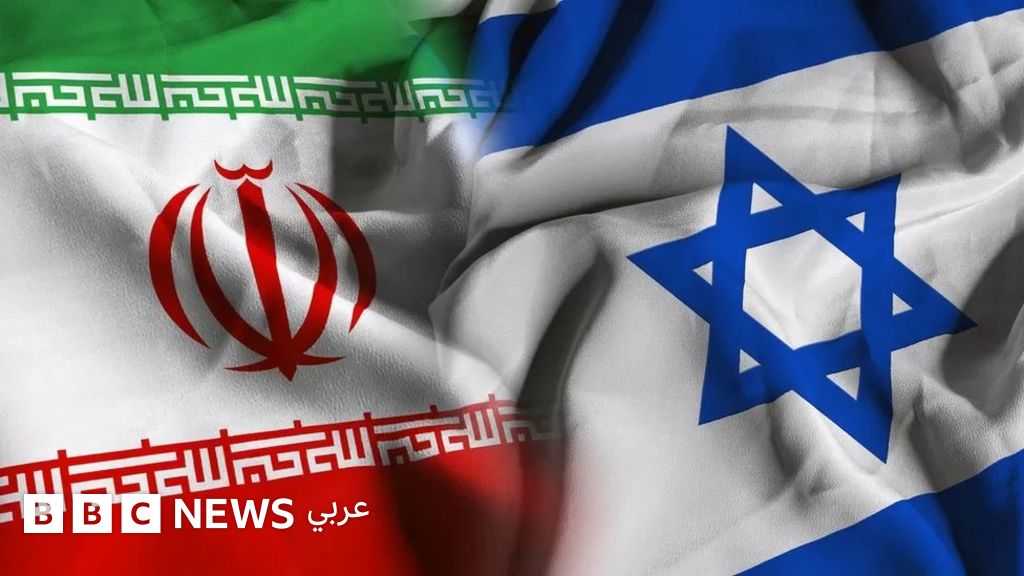
Rob Godette, the new CEO of NRG Energy, revealed the impact of the Iranian conflict on the company's strategies and investor interests during his talk at the CERAWeek conference in Houston. He also addressed the increasing demand for energy resulting from data centers.
Godette's statements come at a sensitive time, as tensions in the Middle East are rising, directly affecting global energy markets. He noted that these conditions may prompt investors to reassess their investments in the energy sector, particularly amid the instability surrounding oil and gas.
Event Details
During his discussion with journalist Julie Fine, Godette pointed out that the Iranian conflict could lead to significant changes in energy strategies, necessitating companies like NRG to be flexible in facing new challenges. He explained that the demand for energy from data centers is continuously increasing, requiring a swift response from companies to meet market needs.
Godette also emphasized that investments in renewable energy have become more critical than ever, as investors seek to mitigate risks associated with geopolitical conflicts. He clarified that NRG will continue to focus on developing clean energy projects to enhance its market position.
Background & Context
Historically, conflicts in the Middle East have significantly impacted global energy markets. With rising tensions between Iran and Western countries, oil prices have experienced sharp fluctuations, affecting global economic stability. For a long time, Iran has been one of the largest oil producers in the world, and any escalation in conflict could lead to reduced oil supplies, negatively impacting prices.
In recent years, we have witnessed a shift towards renewable energy, as many countries aim to reduce their reliance on fossil fuels. However, data centers still pose a significant challenge, as they require vast amounts of energy to operate, increasing pressure on electrical grids.
Impact & Consequences
Tensions in the Middle East could lead to rising energy prices, affecting operational costs for both companies and consumers. Investors may gravitate towards safer markets, potentially impacting the flow of investments into energy projects in the United States.
Moreover, the increasing demand for energy from data centers may create new investment opportunities in clean energy technologies. In this context, companies like NRG could play an essential role in meeting this demand by developing innovative solutions.
Regional Significance
The Middle East is a vital energy hub, and any escalation in the Iranian conflict could directly affect neighboring Arab countries. Rising oil prices may benefit some oil-producing nations, but could also exert economic pressure on importing countries.
Additionally, the increased demand for energy from data centers may open avenues for Arab nations to invest in renewable energy projects, contributing to achieving sustainable development goals. In light of climate changes, it becomes crucial for Arab countries to adopt new strategies to meet energy needs.
In conclusion, it is clear that the Iranian conflict has profound effects on global energy strategies, requiring companies and investors to be prepared to face future challenges.