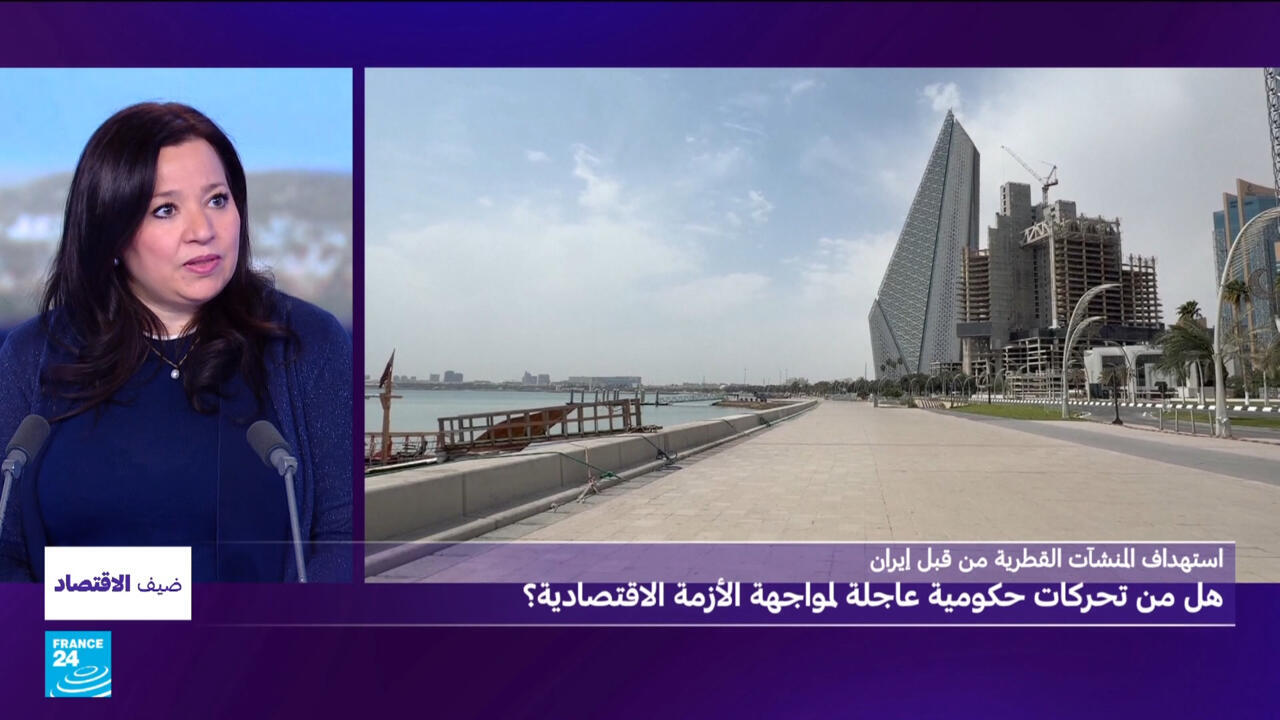
Qatar is experiencing mounting economic pressures as a result of Iranian missile strikes targeting its vital facilities, raising questions about the extent of the damages and their impact on citizens' livelihoods. In this context, we hosted Professor and researcher in defense and energy economics, Naseema Ouhab Al-Othmana, to analyze the current situation.
Reports indicate that the Iranian strikes have caused significant damage to Qatar's gas facilities, which are considered the backbone of the national economy. Doha is facing substantial challenges, with annual losses from these attacks estimated at around $20 billion.
Details of the Incident
Qatar, which heavily relies on natural gas exports, is under increasing pressure due to escalating regional tensions. The Iranian missile strikes have directly impacted gas facilities, leading to reduced production and increased costs. These facilities are vital to the Qatari economy, significantly contributing to national revenues.
In her remarks, Al-Othmana emphasized that the damage to gas facilities could exacerbate the economic conditions in the country, as the government relies on these revenues to fund development and infrastructure projects. Additionally, reduced production could affect Qatar's ability to meet its export commitments.
Background & Context
Historically, the region has witnessed numerous conflicts that have affected local economies, but the current situation differs in terms of political and military tensions. Qatar, which had made significant progress in energy and economic sectors, now faces new challenges due to regional conflicts.
The Qatari government is striving to diversify its economy away from dependence on gas and oil, but current pressures may hinder these efforts. Qatar has launched an economic diversification plan aimed at enhancing non-oil sectors, but external pressures could negatively impact these initiatives.
Impact & Consequences
Estimates suggest that the continuation of Iranian pressures could worsen economic conditions in Qatar, potentially reflecting on citizens' living standards. Other sectors such as tourism and trade, which rely on political and economic stability, may also be affected.
Moreover, significant financial losses could lead to a reduction in investments in development projects, impacting sustainable economic growth. If pressures persist, the government may be forced to implement austerity measures that could affect public services.
Regional Significance
The situation in Qatar serves as a mirror to broader regional tensions, as conflicts in the Middle East impact the economies of neighboring countries. A deterioration of the situation in Qatar could have negative repercussions on economic stability in other Gulf states.
Furthermore, the current circumstances may reshape political and economic alliances in the region, as countries seek to bolster their economic stability amid increasing challenges. In this context, Qatar may seek to enhance cooperation with other nations to address economic challenges.
In conclusion, the economic conditions in Qatar remain under scrutiny, as the government must take effective steps to address current challenges. With ongoing external pressures, the future of the Qatari economy remains uncertain, necessitating flexible strategies to adapt to regional changes.