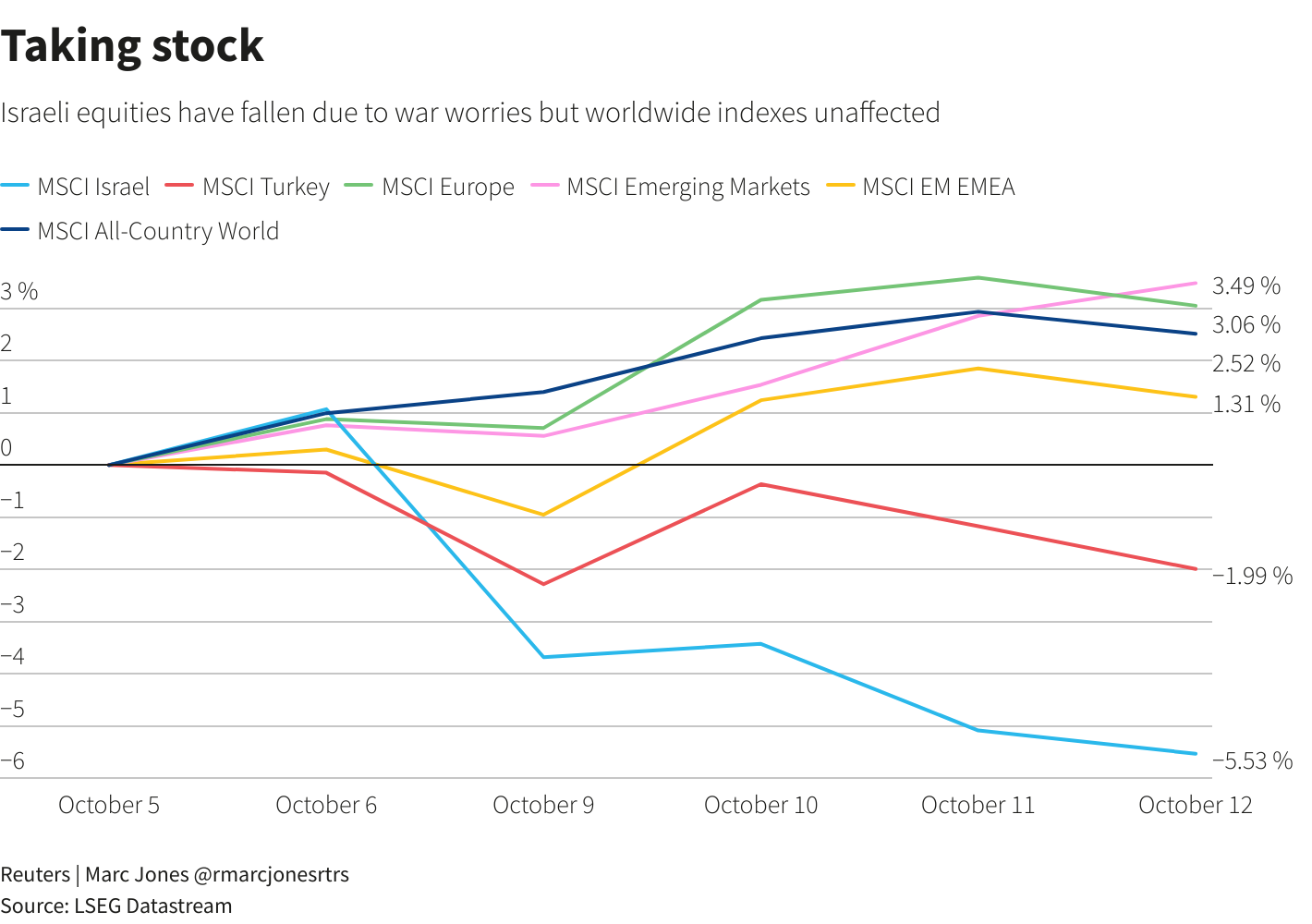
Global markets are experiencing increasing pressure due to fluctuations resulting from the Iranian war, which raises concerns among investors and significantly impacts trade and investment. Amid escalating tensions, traders are facing new challenges related to price volatility and market instability.
Reports indicate that this war, which has been ongoing for some time, has led to a sharp increase in oil and commodity prices, negatively affecting the global economy. Additionally, rising fears of an escalation in the conflict may lead to a decline in foreign investments in the most affected markets.
Details of the Event
Concerns are growing about the impact of the Iranian war on financial markets, as oil prices have seen a noticeable increase, leading to higher production and transportation costs. This rise in prices could negatively reflect on the global economy, especially given the significant reliance on Iranian oil in many countries.
Moreover, the prevailing uncertainty in the markets makes investors more cautious, resulting in a decline in trading volumes. Some reports have shown a decrease in trading volumes in global stock markets, reflecting the prevailing anxiety among investors.
Background & Context
Historically, Iran has been a key player in global energy markets, being one of the largest oil producers. As military and political disputes in the region escalate, markets have witnessed significant price fluctuations. These events are not new; the region has experienced numerous conflicts that have affected market stability, but the current situation appears more complex.
Political and economic factors intertwine in this crisis, as international sanctions play a significant role in reducing Iran's ability to export its oil, thereby increasing pressure on global prices. Additionally, tensions between Iran and the United States directly impact the markets, as investors anticipate reactions from both sides.
Impact & Consequences
These fluctuations could lead to widespread effects on the global economy. Rising oil prices may result in increased inflation in many countries, affecting consumers' purchasing power. Furthermore, a decline in foreign investments could slow economic growth in the most affected countries.
Moreover, the prevailing uncertainty could lead to greater volatility in financial markets, making it more challenging to predict future trends. This situation may prompt some companies to reassess their investment strategies, potentially impacting long-term economic growth.
Regional Significance
Arab countries are significantly affected by these developments, as many of these nations rely on oil as a primary source of revenue. Rising oil prices may have a positive impact on some producing countries; however, at the same time, the instability may lead to a decline in investments in the region.
Additionally, conflicts in the region could exacerbate humanitarian situations, increasing the challenges faced by Arab countries. Under these circumstances, it becomes essential for Arab nations to adopt effective strategies to address these challenges, whether through enhancing regional cooperation or diversifying their economies.
The fluctuations resulting from the Iranian war pose a significant challenge to global markets, requiring investors and nations to take proactive steps to address these situations. As tensions continue, the future remains uncertain, making it crucial to closely monitor developments.