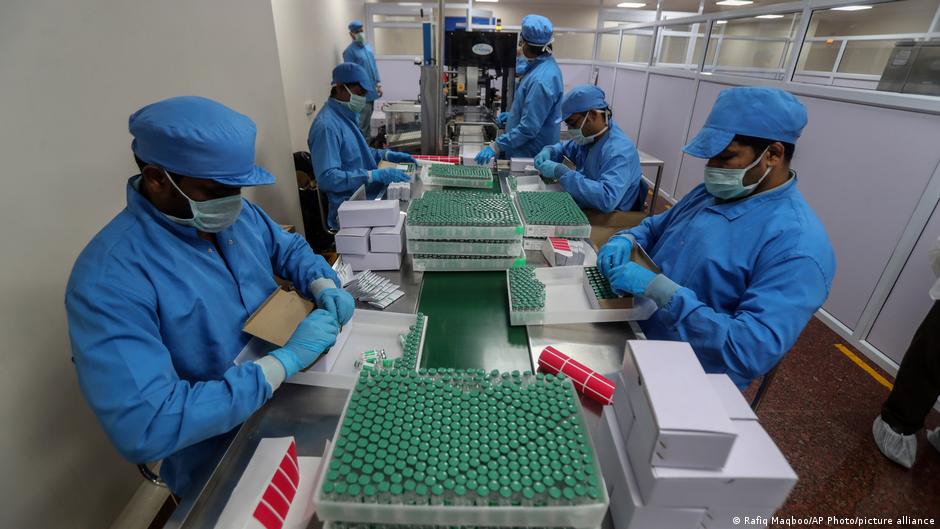
The Iranian war has led to the closure of the Strait of Hormuz, significantly affecting Indian drug supplies to Africa. India is the primary supplier of medicines to the continent, providing about 40% of imported drugs. Many African countries rely on Indian medicines to treat chronic and infectious diseases, making this situation extremely concerning.
India is known as the "pharmacy of the global south," with the public health sector in African countries closely linked to Indian pharmaceuticals. Africa carries about 25% of the global disease burden, with high rates of HIV, tuberculosis, and malaria, according to data from the World Health Organization.
Details of the Event
India is the largest trading partner for pharmaceuticals in Africa, where Indian medicines play a vital role in public healthcare systems. From Nigeria to Kenya and South Africa, Indian generic drugs form the backbone of health systems, providing antibiotics, antiviral medications, malaria and tuberculosis treatments, insulin, blood pressure medications, and pain relievers.
Medicines manufactured in Indian hubs like Hyderabad, Ahmedabad, and Mumbai travel through shipping centers in the Gulf such as Dubai, Doha, and Abu Dhabi before reaching African ports and airports. This system relies on predictable shipping schedules and low shipping costs, making any disruption in this network significantly impact drug supplies.
Background & Context
Historically, India has been seen as a reliable partner for African countries in pharmaceuticals, providing medicines at affordable prices. However, many African nations do not maintain large stockpiles of medicines, making them vulnerable to any supply chain disruptions. Unlike European countries and the United States, which hold large stocks of essential drugs, African nations depend on precise purchasing cycles and limited inventories.
The current crises demonstrate how much African health systems rely heavily on Indian medicines and Asian supply chains, even when drugs are assembled locally. Active ingredients and essential medicines are still largely imported from India and China, making any shipping disruptions affect drug availability.
Impact & Consequences
The ongoing conflict has caused shipping and insurance costs to rise, increasing drug prices. According to industry experts, the cost of some raw materials has increased by as much as 50%. As African markets face financial pressures, these price increases could lead to a severe shortage of essential medicines.
The drugs most susceptible to disruption are those that form the basis of primary healthcare, such as antibiotics, diabetes medications, and blood pressure drugs. In many African clinics, patients expect to find these medicines daily. Additionally, temperature-sensitive medications, such as vaccines and insulin, face greater challenges due to flight disruptions in the Gulf.
Regional Significance
Arab countries are also part of this complex medical supply network. With increasing reliance on Indian medicines, any disruption in this chain could affect drug availability in Arab markets. This could exacerbate health crises in the region, especially given the current circumstances where some Arab nations are facing health and economic crises.
In conclusion, the current situation highlights the urgent need to enhance local drug production in Africa and improve purchasing and distribution systems to ensure the sustainability of health supplies. Strengthening local production capacity may be the optimal solution to avoid future crises.