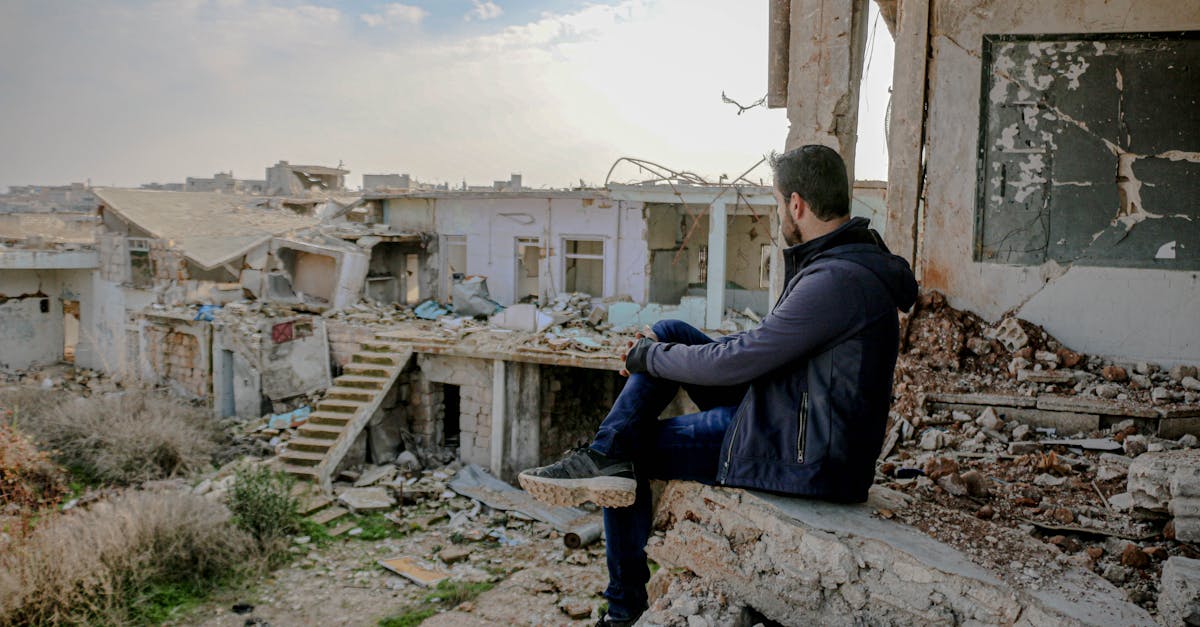
Economic pressures on Middle Eastern countries are intensifying amid rising military tensions in Iran. The recent war has raised concerns about market stability and heightened economic uncertainty in the region.
Reports suggest that the Iranian conflict may lead to a rise in oil prices, negatively impacting oil-importing nations. Additionally, military tensions could disrupt trade flows and increase transportation costs, which would reflect on the prices of goods and services.
Details of the Conflict
The war in Iran erupted following a surge in internal protests, prompting the government to take strict measures. These events coincided with escalating regional tensions, leading to military interventions from neighboring countries. The Iranian economy is already suffering from international sanctions, complicating the situation further.
Financial markets in the region are significantly affected, with stock markets witnessing notable declines. Investors are gravitating towards safe assets, increasing pressure on local currencies and causing fluctuations in exchange rates.
Background & Context
Historically, the region has experienced numerous conflicts that have impacted the economy. Previous conflicts in Iraq and Syria led to deteriorating economic conditions and rising poverty and unemployment rates. The current situation in Iran evokes memories of those crises, raising new concerns about regional stability.
Iran is a key player in the global oil market, and any disruptions there could affect global prices. Neighboring countries such as Iraq, Kuwait, and Saudi Arabia are closely monitoring the situation, as any escalation could impact their oil exports.
Impact & Consequences
The war is expected to increase pressures on the regional economy. Countries that rely on imports may face significant challenges in securing their basic needs. Furthermore, rising oil prices could lead to increased inflation, affecting citizens' purchasing power.
The economic repercussions may also include rising unemployment rates, as companies may be forced to downsize operations due to increased costs. This situation could exacerbate social and political crises in neighboring countries.
Regional Significance
Arab countries are directly affected by the Iranian conflict, as many depend on regional stability for economic growth. Rising oil prices may positively impact some producing countries, but they could increase the suffering of importing nations.
Arab nations are seeking to enhance economic cooperation among themselves to address the challenges arising from the conflict. There is an urgent need to develop joint strategies to ensure economic stability and promote intra-regional trade.
In conclusion, the situation in Iran remains under observation, as any new developments could significantly impact the regional economy. It is crucial for Arab nations to take proactive steps to address these challenges.