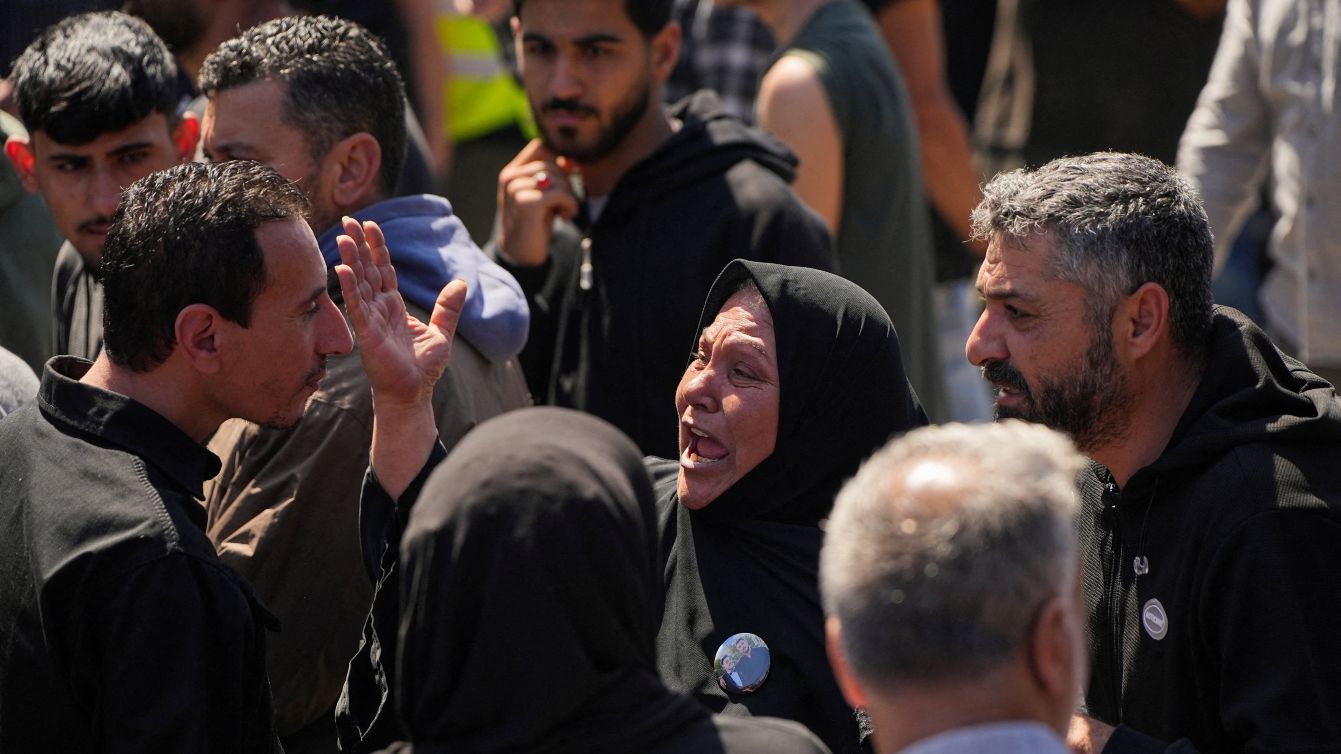
In a war-charged atmosphere, the rituals of mourning in Iran manifest as hundreds of men gather in dark halls, dressed in black, rhythmically beating their chests while religious preachers recite hymns that commemorate martyrdom and sacrifice. These rituals, illuminated by red lights, have become an inseparable part of the Iranian war narrative since the 12-day war with Israel in June 2025.
The mourning rituals are part of the Ashura observances that commemorate the martyrdom of Imam Hussein ibn Ali, the grandson of the Prophet Muhammad, at the Battle of Karbala in 680 AD. These rituals have contributed to the enhancement of religious and national identity in Iran, serving to embody the meanings of courage and sacrifice in the face of enemies.
Event Details
Since the outbreak of war, several state-supported preachers, such as Mahdi Rasouli, Hussein Taheri, Seyyed Reza Narimani, and Hussein Sotoudeh, have launched a series of war hymns that reinterpret the American-Israeli war on Iran through the symbolic language of Karbala. These hymns are widely shared on social media platforms like YouTube, reflecting their profound impact on Iranian society.
These rituals also include elements of celebration and solidarity, engaging men of various ages, which reflects the unity of Iranian society in facing challenges. These events are seen as a means to bolster national spirit, invoking the values of courage and sacrifice represented by Imam Hussein.
Background & Context
The roots of the Ashura rituals trace back to a long history of conflicts in the Islamic world, where the martyrdom of Imam Hussein is considered a symbol of resistance against oppression. In the Iranian context, these rituals have been utilized to strengthen Shiite identity, especially amid political tensions with Western countries and Israel. Since the Islamic Revolution in 1979, these rituals have become part of the official discourse linking religion and politics.
In recent years, with escalating regional tensions, the mourning rituals have become a means of expressing resistance against what are perceived as external threats. These rituals enhance national spirit and reaffirm loyalty to the Iranian regime, making them an effective tool in promoting the war narrative.
Impact & Consequences
War rituals like mourning demonstrate how religion and culture can intertwine with politics in Iran. These rituals not only reinforce national identity but are also used as a means to justify government policies in the face of external challenges. By linking war to the values of martyrdom and sacrifice, the Iranian government strengthens its position on the international stage.
Moreover, these rituals contribute to shaping Iranian public opinion, enhancing feelings of unity and solidarity against enemies. As the war continues, these rituals are expected to grow in popularity, reflecting their deep impact on Iranian society.
Regional Significance
The mourning rituals serve as a model showing how religion can influence politics in the region. Amid ongoing tensions between Iran and Arab states, these rituals are seen as a means to promote Shiite identity in the face of Sunni challenges. Additionally, these rituals enhance national spirit, reflecting their impact on relations between Iran and its neighbors.
Ultimately, the mourning rituals illustrate how religion and culture can intertwine with politics, reflecting their profound impact on Iranian national identity. As regional tensions persist, these rituals are expected to remain a fundamental part of the Iranian war narrative.