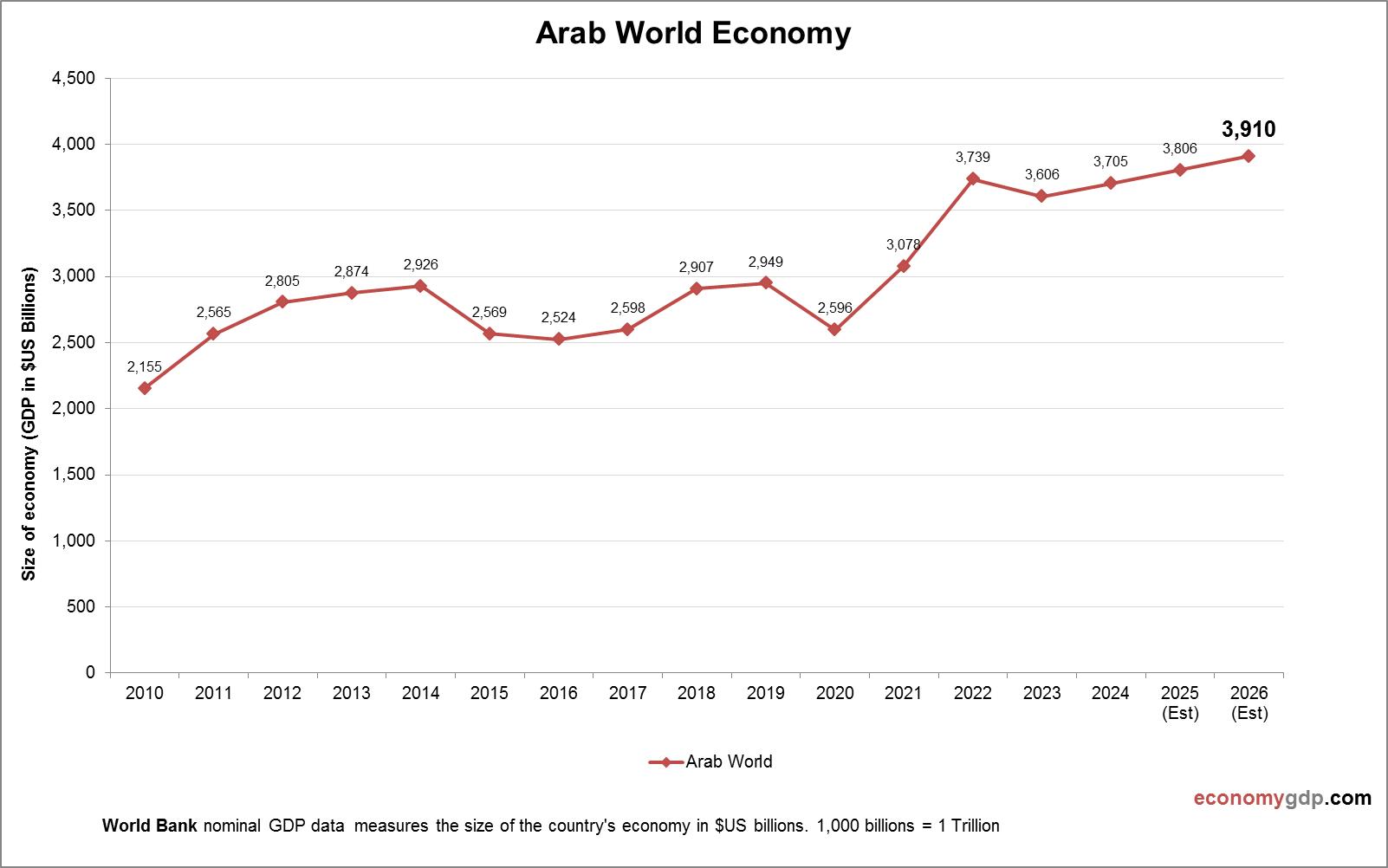
Concerns are growing regarding the impact of government policies on economic performance in many Arab countries, as reports indicate that political crises lead to a decline in economic growth and exacerbate financial conditions.
Under the current circumstances, it is clear that politics plays a crucial role in steering the course of the economy, raising questions about the ability of governments to achieve economic stability amid increasing political challenges.
Details of the Event
Studies indicate that many Arab countries are suffering from negative impacts due to political unrest, as these crises lead to a reduction in both foreign and domestic investments, negatively affecting economic growth. For instance, some countries have witnessed a noticeable decline in growth rates, raising concerns about the economic future.
Moreover, political instability affects investor confidence, as many prefer to avoid risks associated with investing in unstable environments. This is reflected in the decline of investments in vital sectors such as industry and services.
Background & Context
Historically, the Arab region has experienced numerous political crises that have directly impacted local economies. From the Arab Spring to ongoing conflicts in some countries, the economic outcomes have often been negative, with growth declining and unemployment rates rising.
In recent years, some governments have attempted to implement economic reforms aimed at boosting growth, but these efforts often stumble due to volatile political conditions. The need for political stability has become more urgent than ever to ensure the achievement of economic objectives.
Impact & Consequences
Political crises exacerbate economic conditions, leading to rising poverty and unemployment rates, which affect the daily lives of citizens. Additionally, the decline in investments results in weakened infrastructure and a decline in the quality of public services, further increasing citizens' hardships.
Furthermore, political instability hinders efforts to address global economic challenges, such as climate change and fluctuations in energy prices. This situation requires Arab governments to take serious steps towards achieving political stability as a fundamental condition for sustainable economic growth.
Regional Significance
The Arab region is considered one of the most affected areas by political crises, as these crises impact economic relations between countries. Instability in one country can extend its effects to neighboring states, exacerbating economic conditions in the region as a whole.
At the same time, there is a pressing need to enhance regional cooperation to tackle these challenges. Arab countries can benefit from exchanging experiences and strategies to achieve stability and economic growth.
In conclusion, the current situation in the Arab region requires a collective effort to achieve political and economic stability. Addressing political crises is a fundamental step towards achieving sustainable development and improving citizens' living conditions.