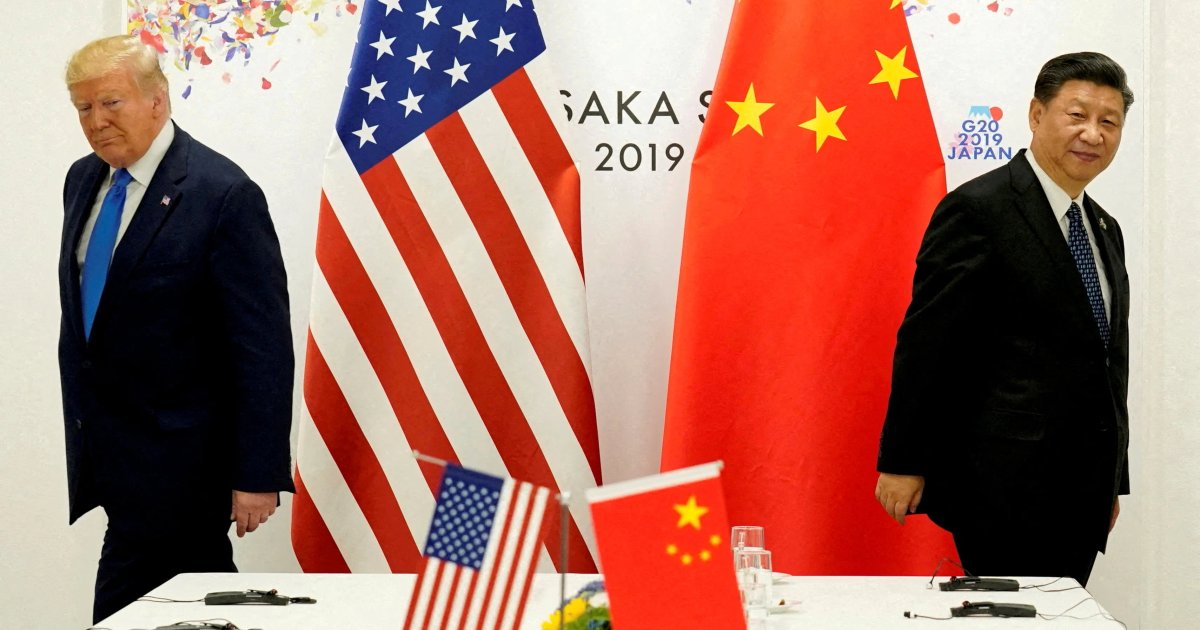
Major countries are racing in the global economic arena, with China and the United States emerging as the primary winners in the global trade game. Under current circumstances, it appears that power is the decisive factor determining trade terms between nations, making it clear that the two most influential countries are the ones prospering in this field.
Reports indicate that trade tensions between China and the United States have led to a reshaping of the global trade map, as each country seeks to enhance its economic influence. This conflict is not merely a trade competition; it is a struggle for global dominance, with both Beijing and Washington aiming to impose their terms on other nations.
Event Details
In recent years, trade relations between China and the United States have experienced significant fluctuations, ranging from tariffs to complex trade agreements. These dynamics directly affect global markets, as companies and countries reassess their trade strategies.
For instance, the trade war between the two countries has heightened tensions, impacting global supply chains. Companies relying on trade between China and the United States find themselves in a difficult position, facing increasing pressures from both sides.
Background & Context
Historically, global trade has always been governed by political and economic factors. For decades, the United States has been considered the world's leading economic power, but with China's rise as a major economic force, the balance of power has begun to shift. This transformation was not coincidental; it resulted from well-thought-out economic policies by Beijing, which has heavily invested in developing its infrastructure and enhancing its industries.
In recent years, it has become evident that China is striving to enhance its influence in global markets, raising concerns in the United States. This competition between the two great powers reflects the challenges facing the global trading system, with increasing calls for a reevaluation of the rules governing international trade.
Impact & Consequences
The repercussions of this trade conflict extend beyond the borders of China and the United States, affecting other countries as well. Developing nations, for example, find themselves in a difficult position, needing to choose between cooperating with one of the powers or risking the loss of trade opportunities.
Moreover, this competition may lead to changes in global trade policies, as other countries might adopt new strategies to adapt to the current situation. Under these dynamics, we may witness the emergence of new alliances among countries, reshaping the global trade landscape.
Regional Significance
For the Arab region, this situation carries significant implications. Many Arab countries rely on trade with China and the United States, making them susceptible to the effects of the conflict between the two powers. For instance, trade tensions could impact oil prices and commodity prices, reflecting on the economies of Arab nations.
Furthermore, Arab countries may seek to strengthen their trade relations with both China and the United States, allowing them to achieve economic benefits. In this context, Arab nations can play an important role in enhancing trade cooperation between the East and the West, contributing to economic stability in the region.
In conclusion, amid increasing trade conflicts, it seems that China and the United States will continue to dominate global trade. This situation requires other countries, including Arab nations, to be more strategic in their trade dealings to ensure their economic interests are met.