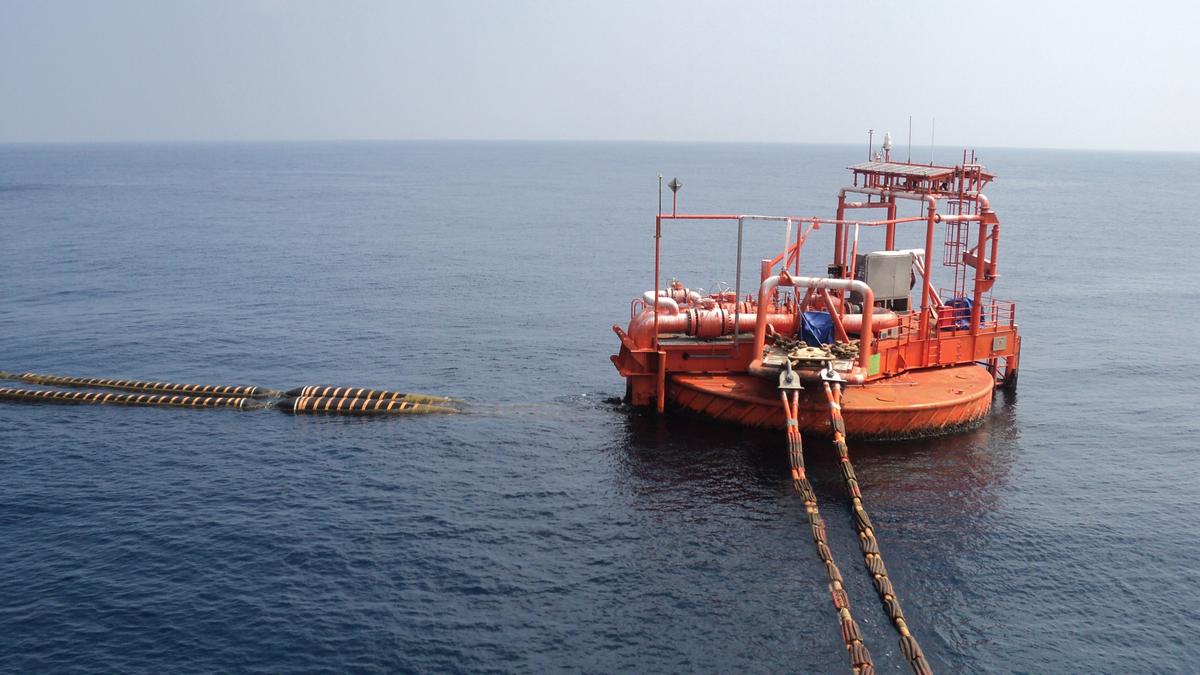
The Strait of Hormuz, connecting the Arabian Gulf to the Gulf of Oman, serves as a vital point in global trade, with about 20% of the world's oil supply passing through it. As geopolitical tensions escalate in the region, this strait has transformed into a tool of war that jeopardizes the stability of the global economy.
Reports indicate that any military escalation in the area could lead to the closure of the strait, which would directly impact global oil prices and heighten uncertainty in financial markets. Recent events have demonstrated how any threat to close the strait can provoke swift reactions from major nations that rely on oil supplies.
Details of Recent Events
Recently, tensions between Iran and the United States have intensified, with Iran conducting military maneuvers near the strait, raising concerns among Western nations. American officials have warned that any attempt to close the strait would face a strong military response. In contrast, Iran has asserted its right to protect its national interests, complicating the situation further.
There are growing fears that any escalation in conflict could have negative repercussions on the global economy, as oil prices may surge significantly, affecting transportation costs and international trade. Moreover, any potential closure of the strait could lead to a shortage of oil supplies, increasing pressure on the markets.
Background & Context
The Strait of Hormuz has been a strategic transit point for decades, facilitating the flow of oil from Gulf countries to global markets. The strait has witnessed several crises in the past, including incidents related to maritime attacks and military tensions. In 2019, oil tankers faced attacks in the region, leading to heightened tensions between Iran and Western nations.
Historically, the strait has played a significant role in shaping regional and international policies, often used as a pressure tool by certain countries. In recent years, the tensions between Iran and Western nations have become more pronounced, increasing the strait's importance as a strategic instrument in geopolitical conflicts.
Impact & Consequences
Recent events confirm that any escalation in conflict over the Strait of Hormuz could lead to negative effects on the global economy. Rising oil prices could result in increased living costs in many countries, affecting economic stability. Additionally, any closure of the strait could disrupt supply chains, further increasing uncertainty in the markets.
Furthermore, tensions in the region may lead to increased military investments by major powers, raising the likelihood of armed conflicts. This situation could create an unstable environment affecting all nations reliant on oil supplies.
Regional Significance
The Gulf Arab states are the most affected by the tensions in the Strait of Hormuz, as their economies heavily depend on oil exports. Any escalation in conflict could negatively impact economic growth in these countries, exacerbating social and political pressures.
Neighboring Arab countries may also face new challenges due to the regional tensions, potentially affecting their investments and trade relations. It is crucial for Arab nations to enhance regional cooperation to address these challenges and achieve stability in the area.
In conclusion, the Strait of Hormuz remains a pivotal point in geopolitical conflicts, posing significant challenges to global security. The current situation necessitates a coordinated response from the international community to ensure freedom of navigation in this vital passage.