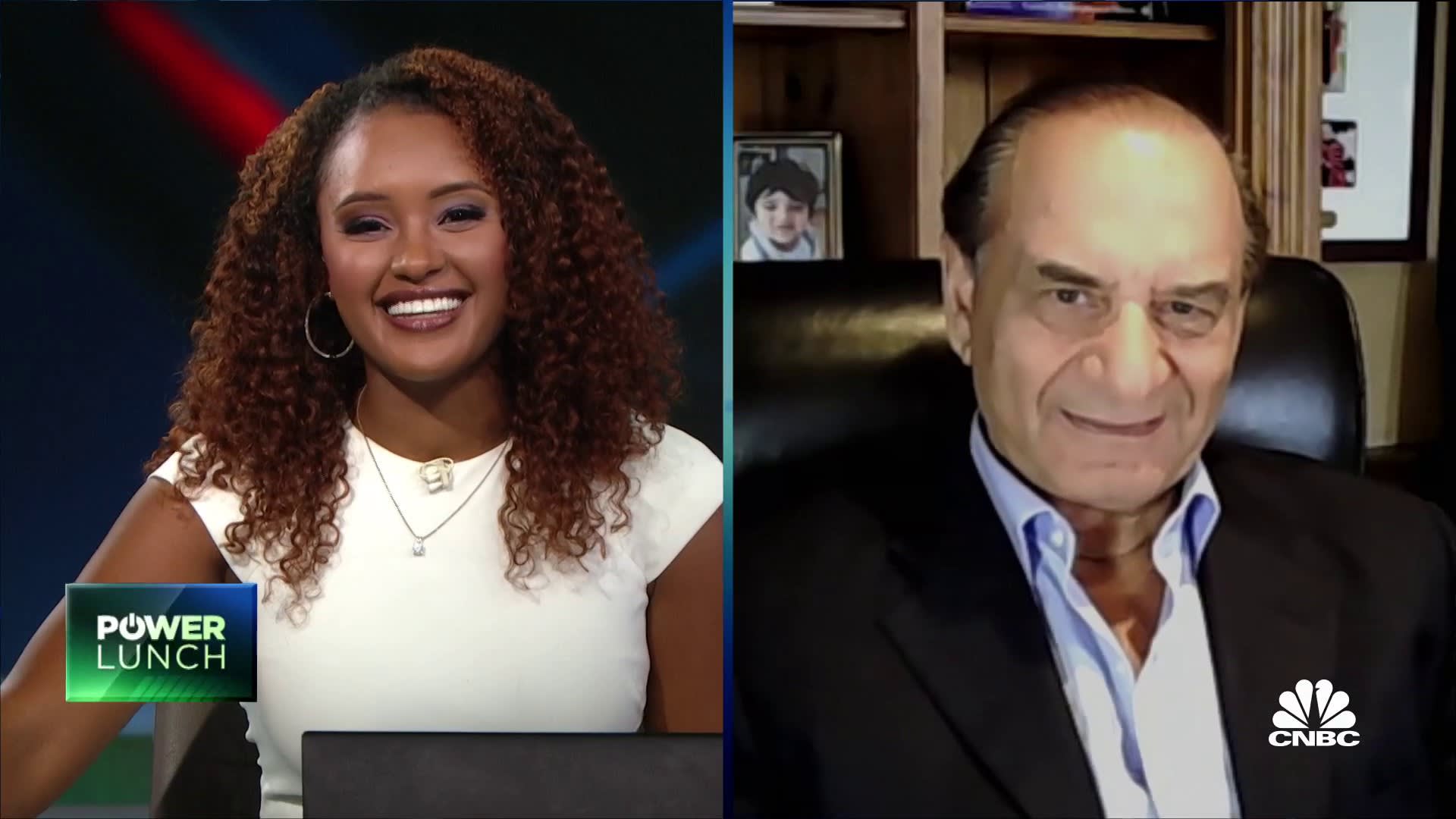
Farouk Kathwari, the CEO of Ethan Allen, revealed the ongoing impact of tariffs on US retailers, noting that consumers remain cautious in their purchasing decisions. This was discussed during his conversation with Katie Grieve and Scarlett Fu on 'The Close.' Kathwari explained that these tariffs significantly affect product costs, making consumers more careful with their spending.
In the current economic climate, American consumers are still looking to make purchases, but they are making their decisions with greater caution. Kathwari mentioned that this caution stems from the economic uncertainty that the market is experiencing, which is directly influenced by the tariffs imposed on imports.
Challenges Facing Retailers Due to Tariffs
Kathwari discussed the challenges faced by retailers in the United States due to tariffs, pointing out that these tariffs lead to increased production costs, which are reflected in the final prices of products. He also emphasized that consumers have become more aware of these costs, making them hesitant to make purchasing decisions.
He added that companies need new strategies to adapt to these conditions, such as improving supply chains and reducing operational costs. He affirmed that innovation in products and services can help companies attract consumers despite economic challenges.
Background & Context
The roots of the tariffs imposed on imports can be traced back to the trade policies followed by the previous US administration, which aimed to protect domestic industries from foreign competition. However, these policies have led to increased trade tensions between the United States and other countries, including China.
Historically, the United States has experienced periods of trade tensions that have affected the economy as a whole. The current tariffs are not the first of their kind, as the country has previously faced economic crises due to similar trade policies. However, the current situation differs in terms of global impacts and economic interdependencies.
Impact & Consequences
Tariffs directly affect consumer behavior, as rising prices impact their purchasing power. This caution in spending could lead to a slowdown in economic growth, affecting both businesses and consumers. If these policies continue, we may witness a decline in demand for products, which would negatively impact the US economy.
Moreover, the effects are not limited to the US market; they extend to global markets, as many companies rely on global supply chains. Therefore, any changes in tariffs could lead to unexpected impacts on other markets.
Regional Significance
While the United States focuses on its domestic issues, the impact of tariffs may extend to Arab countries, especially those that rely on exports to the US market. Increased shipping costs and tariffs could lead to higher prices for consumers in Arab countries, negatively affecting local economies.
Additionally, Arab companies seeking to expand into the US market may face additional challenges due to these policies. Therefore, it is crucial for Arab countries to monitor these developments and work on developing strategies to adapt to changes in the global market.