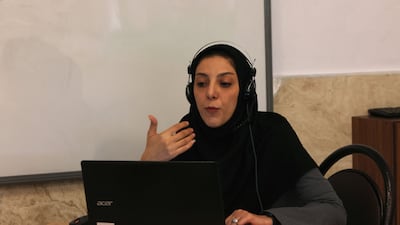
The negative impacts of the US-Iran war on students are on the rise, with many facing significant challenges in their daily lives. Amid escalating tensions between the United States and Iran, students are experiencing anxiety and fear about the future, which adversely affects their academic performance.
Reports indicate that students in politically tense countries, such as Iraq and Lebanon, are suffering from heightened psychological stress. This stress hampers their ability to concentrate on their studies, leading to a decline in academic achievement.
Details of the Event
In recent years, US-Iran relations have deteriorated markedly, with tensions escalating significantly following the US withdrawal from the Iranian nuclear agreement. This withdrawal resulted in the imposition of severe economic sanctions on Iran, impacting the economic and social conditions in the region.
Consequently, students in these countries are increasingly susceptible to psychological pressures as they face multiple challenges related to security and economic stability. Many students express concerns about their ability to continue their studies due to recurring crises.
Background & Context
Historically, relations between the United States and Iran have been strained since the Iranian Revolution in 1979. These tensions have led to a series of political and military crises that have directly affected the lives of citizens, including students. In recent years, these tensions have intensified, further amplifying their impact on education.
Education is one of the most affected areas during political crises, as students encounter issues such as a lack of educational resources, psychological pressures, and security threats. These factors significantly affect the quality of education and the future of students.
Impact & Consequences
Studies confirm that the psychological pressures resulting from political crises impact students' mental health, leading to increased rates of depression and anxiety. These psychological issues hinder academic performance, as students struggle to focus and engage in educational activities.
Moreover, political crises lead to a decline in investments in education, affecting the quality of education available to students. Under these circumstances, it becomes challenging for students to achieve their academic and professional goals.
Regional Significance
Arab countries are significantly affected by US-Iran tensions, with many experiencing the repercussions of these conflicts. Students in neighboring Arab countries, such as Iraq and Lebanon, find themselves caught in the midst of these crises, complicating their educational situation.
The current situation requires Arab governments to take urgent action to support students and provide a safe and stable educational environment. There must be clear strategies to address the impacts of political crises on education.
In conclusion, it is evident that the US-Iran war has profound effects on students, necessitating effective steps to mitigate these impacts. Education must be prioritized amid crises to ensure a better future for upcoming generations.