Economic reports indicate that the largest economic sectors in the country experienced a noticeable slowdown in growth during March due to the repercussions of the ongoing war in Iran. The recent conflict has led to rising oil and commodity prices, adversely affecting companies that have begun to reduce their workforce.
This slowdown in economic growth reflects a state of instability in the markets, where inflationary pressures have significantly increased. Companies that hoped to recover after the COVID-19 pandemic find themselves forced to adopt austerity measures to face new challenges.
Details of the Event
The war in Iran, which began earlier this year, has caused significant disruptions in the global oil market. Prices have seen unprecedented increases, affecting production and service costs. Many companies, especially in the service sector, have started to cut their workforce in direct response to these difficult conditions.
Reports indicate that major companies in sectors such as transportation and logistics have been particularly affected, as orders have declined significantly. This decline in economic activity raises concerns that the economy may enter a recession if these conditions persist for an extended period.
Background & Context
Historically, the region has witnessed numerous conflicts that have impacted the global economy, but the war in Iran comes at a sensitive time as markets were recovering from the effects of the COVID-19 pandemic. The current conflict reminds us of previous crises, such as the Iraq War, which led to rising oil prices and affected the global economy overall.
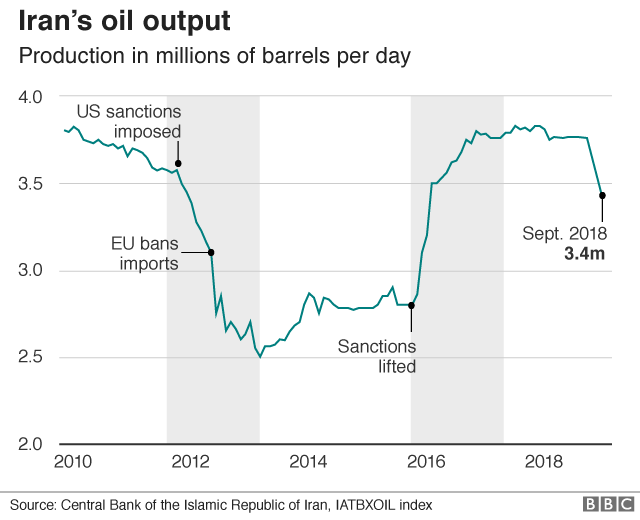
It is noteworthy that Iran is one of the largest oil producers in the world, and any disruption in its production or exports can have widespread effects on global prices. This situation requires close monitoring by economists and policymakers.
Impact & Consequences
The economic repercussions of the war in Iran may be far-reaching. Rising prices could lead to persistent inflation, affecting consumers' purchasing power. Companies facing financial pressures may be forced to make difficult decisions, such as laying off workers or reducing investments.
This situation could also lead to a decline in confidence in the markets, which may affect both foreign and domestic investments. If the conflict continues, we may witness negative effects on economic growth in the region, increasing challenges for governments.
Regional Significance
Given the current situation, neighboring Arab countries may be directly affected by the repercussions of the war. Rising oil prices could have positive effects on some oil-producing nations, but at the same time, importing countries may face significant challenges in dealing with inflation.
Moreover, stability in the region heavily relies on ending the conflict. Any further escalation could exacerbate economic and social crises, threatening regional stability.
In conclusion, the current situation requires governments and companies to take proactive measures to address the increasing economic challenges. There must be clear strategies to deal with crises to ensure economic stability in the future.