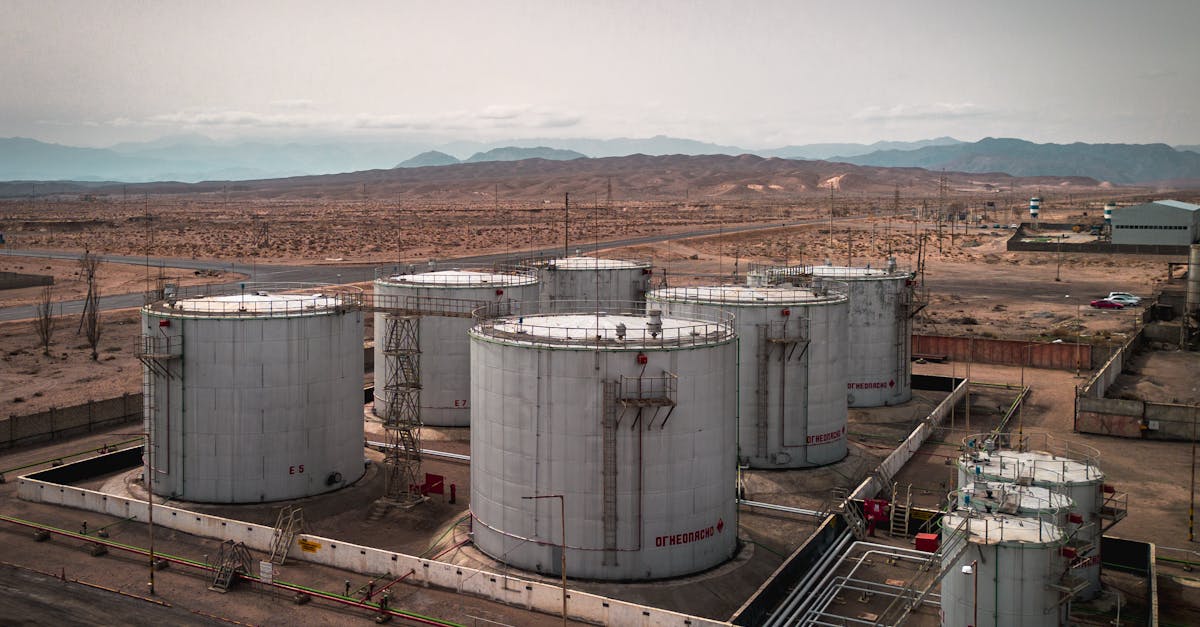
Recent reports indicate that the two oil giants, Exxon Mobil and Shell, have revealed the effects of the ongoing war in Iran on their oil production during the first quarter of this year. Both companies confirmed that the conflict in the region has led to a noticeable decline in production levels, raising questions about the stability of global energy markets.
In detail, Exxon Mobil explained that production operations in some oil fields have been directly affected by military escalation, resulting in reduced output. For its part, Shell confirmed that the deteriorating security situation in Iran has impacted its ability to import crude oil, increasing pressures on the supply chain.
Details of the Event
Iran is considered one of the major oil-producing countries, playing a vital role in balancing global oil markets. As the conflict escalates, oil prices have experienced significant fluctuations, affecting investments by major companies. Analysts have pointed out that these challenges could lead to increased production costs, negatively impacting global prices.
Moreover, the political tensions in the region may exacerbate the situation, with expectations that production pressures will continue in the coming months. Reports have shown that both companies are seeking to mitigate the impact of these crises by diversifying their supply sources.
Background & Context
Historically, Iran has witnessed numerous military and political conflicts that have affected its oil sector. Since the imposition of economic sanctions, Iran has struggled to maintain its production levels, but the current conflicts remind us of the challenges it has faced in the past. In recent years, there have been attempts to improve relations with some countries, but recent tensions may reverse these efforts.
Exxon and Shell are leading companies in the oil industry and have invested heavily in projects in the region. However, the current situation may impact their expansion and growth plans that they were aiming to achieve.
Impact & Consequences
The effects resulting from the war in Iran could be far-reaching, potentially leading to increased global oil prices, which would impact the world economy. Additionally, major companies may need to reassess their investment strategies in the region, which could result in reduced investments in new projects.
Furthermore, the continuation of the conflict could worsen the humanitarian situation in the region, complicating matters further. Neighboring countries may also be affected, with potential increases in refugee flows and deteriorating economic conditions.
Regional Significance
Considering the situation in the Arab region, the conflict in Iran may directly affect oil prices, reflecting on the economies of oil-producing countries. Arab nations that rely on oil revenues may face new challenges under these circumstances, necessitating precautionary measures to protect their economies.
Additionally, tensions in Iran may lead to increased investments in alternative energy sources in Arab countries, as these nations seek to reduce their reliance on traditional oil. Ultimately, the current situation requires greater coordination among Arab countries to address the challenges arising from regional crises.