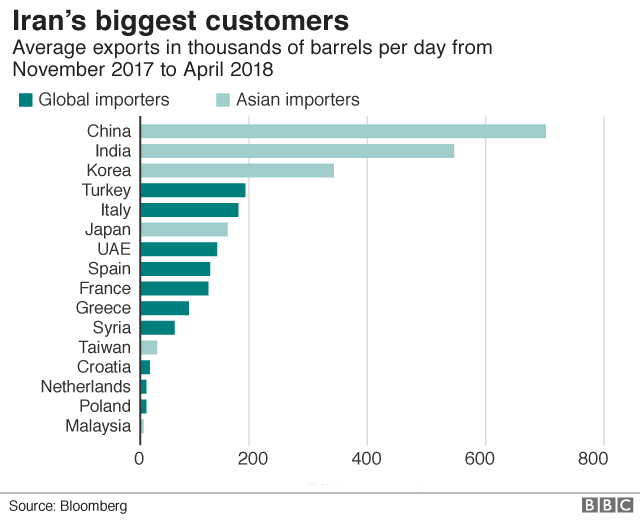
The ongoing war in the Middle East is causing significant repercussions on the global economy, with markets experiencing sharp fluctuations due to rising tensions. Reports indicate that this conflict could greatly affect oil prices and international trade.
Iran is considered one of the largest oil producers in the world, and any military escalation in the region could lead to unprecedented increases in oil prices. At the same time, financial markets are suffering from instability, raising concerns among investors about the future of the global economy.
Details of the Event
Recently, the region has witnessed an escalation in military actions, raising fears of negative impacts on the global economy. Data has shown that oil prices have risen by 10% in recent days, reflecting the growing anxiety in the markets.
There are also negative impacts on international trade, as some countries have begun to reassess their trade strategies with Iran. These changes could lead to a reduction in trade volume between nations, affecting economic growth in many countries.
Background & Context
Historically, Iran has been a center of conflicts in the Middle East, having experienced numerous armed disputes that have impacted the global economy. Since 1979, when Iran experienced the Islamic Revolution, the country has been in the spotlight due to its influence on oil markets.
In recent years, tensions between Iran and the United States have increased, leading to economic sanctions imposed on Tehran. These sanctions have significantly impacted the Iranian economy, but they have also affected the global economy, as many countries rely on Iranian oil.
Impact & Consequences
The repercussions of the war in Iran transcend national borders, affecting the global economy as a whole. Rising oil prices could lead to increased production and transportation costs, negatively impacting the prices of goods and services.
Moreover, instability in the region could lead to a reduction in foreign investments, as investors avoid risks associated with military conflicts. This could result in a slowdown in economic growth in many countries, especially those that depend on foreign investments.
Regional Significance
The Arab countries neighboring Iran are among the most affected by the conflicts in the region. While rising oil prices may have a positive impact on some oil-producing countries, instability could lead to deteriorating economic conditions in others.
Furthermore, military conflicts may lead to an influx of refugees into neighboring countries, increasing pressure on infrastructure and social services in those nations. Ultimately, the repercussions of the war in Iran on the global economy remain a complex issue that requires careful monitoring.