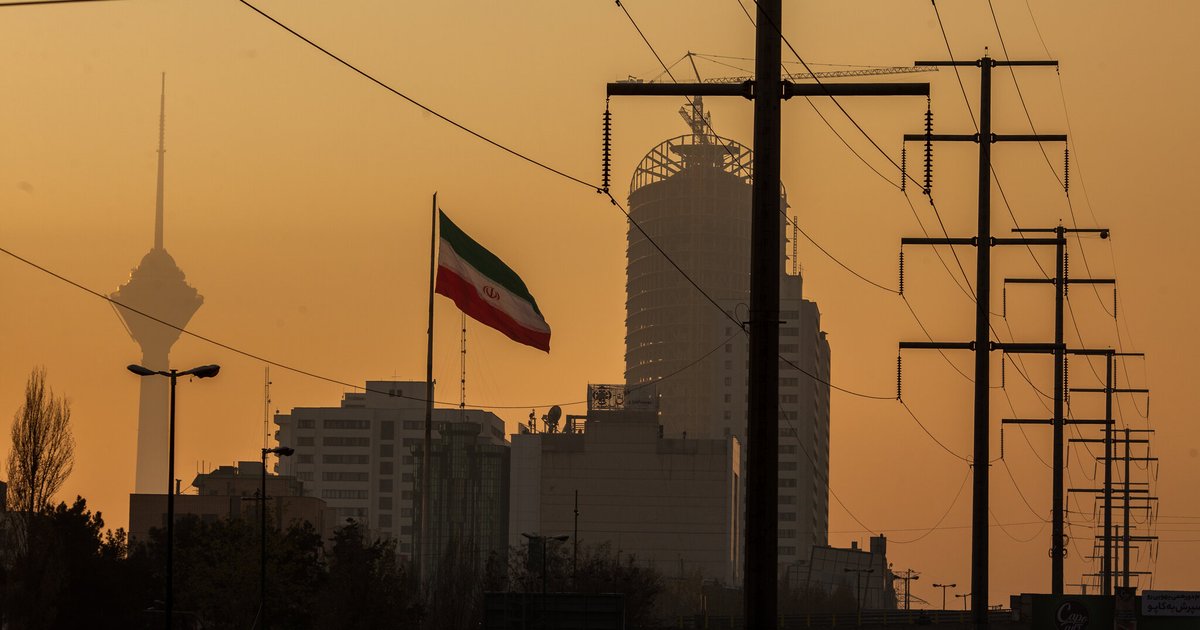
Recent images have revealed the negative impacts of the war in Iran on global energy markets, with concerns over supply shortages and rising prices becoming increasingly pronounced. This conflict, which began at a crucial juncture, has led to significant disruptions in oil and gas flows, threatening the stability of global markets.
Reports indicate that the war in Iran has resulted in a reduction of the country's oil production, impacting global supplies. Additionally, escalating tensions in the region have caused oil prices to rise, adversely affecting the global economy and increasing energy costs for consumers.
Details of the Conflict
Images captured in various regions of Iran showcase the devastating effects of the war on energy infrastructure. Many oil facilities have been destroyed, leading to a significant reduction in production. Furthermore, bombardments and armed clashes have resulted in the closure of some vital transportation lines, complicating the situation further.
At the same time, tensions between Iran and Western nations have intensified, leading to new sanctions imposed on Tehran. These sanctions may exacerbate the economic conditions within the country, increasing pressure on global energy markets.
Background & Context
Historically, Iran has been one of the largest oil producers in the world, possessing vast reserves of oil and gas. However, international sanctions and repeated wars in the region have significantly reduced its production capacity. Since 2018, when former U.S. President Donald Trump withdrew from the nuclear agreement, Iran has faced increasing economic pressures, heightening both internal and external conflicts.
This war is considered part of the broader conflict in the Middle East, where regional and international powers compete for influence. These dynamics have exacerbated humanitarian and economic crises in the region, affecting the stability of global markets.
Impact & Consequences
Analyses suggest that the war in Iran could lead to a significant increase in oil prices, impacting the global economy. Given the heavy reliance on Iranian energy, any reduction in supplies could result in price hikes in global markets, adversely affecting consumers and businesses alike.
Moreover, these conditions may lead to heightened tensions among oil-producing nations, as each country strives to maintain its market share. This competition could exacerbate political and economic crises in the region, further complicating the situation.
Regional Significance
The war in Iran directly affects neighboring Arab countries, with rising concerns about escalating tensions in the region. Oil-producing nations in the Arabian Gulf, such as Saudi Arabia and the UAE, may face new challenges amid rising prices and increased energy demand.
Furthermore, the situation in Iran could lead to a flow of refugees into neighboring countries, increasing pressure on these nations. Any escalation in the conflict could impact the overall stability of the region, heightening the need for urgent political solutions.
In conclusion, the war in Iran is not merely a local conflict; it has profound implications for the global economy and energy markets. As tensions continue, the question remains open regarding how these conditions will affect regional and international stability.