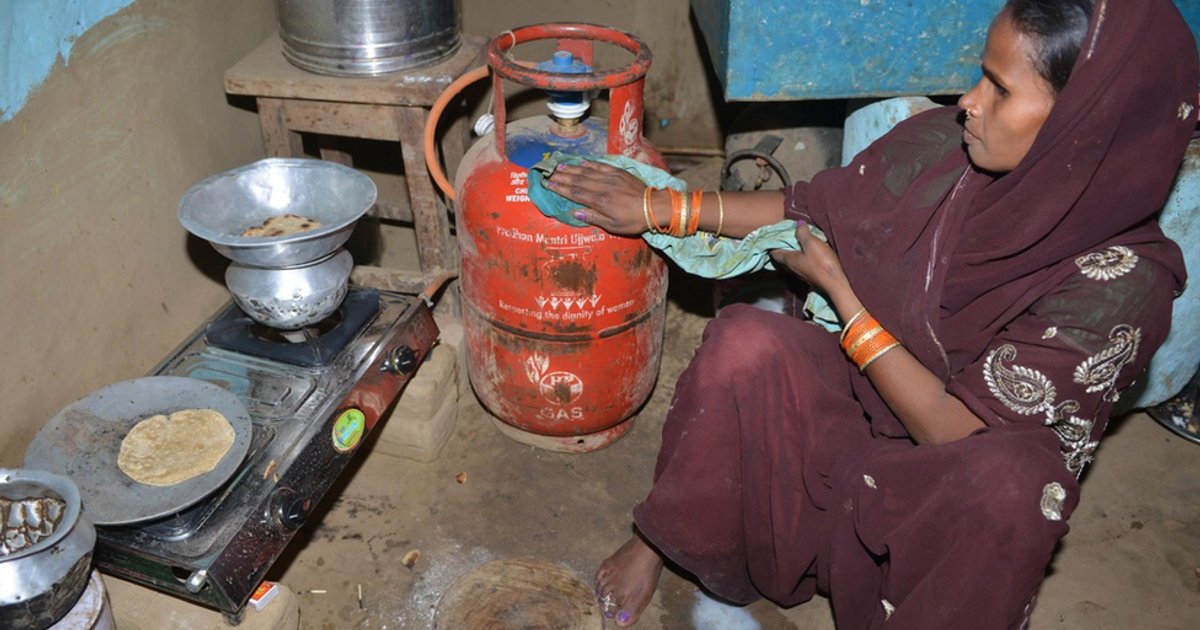
The repercussions of the war in Iran extend beyond military fronts to kitchens worldwide. The gas crisis caused by disruptions in the Strait of Hormuz has significantly affected cooking methods and food prices. This crisis has led to an increase in both household and commercial gas prices, prompting families to adjust their dietary habits and cooking methods.
The disruption of gas shipping through the Strait of Hormuz, considered one of the world's most vital energy arteries, has caused supply disturbances and rising fuel prices in many countries. Global energy estimates indicate that between 20% and 30% of supplies have been affected by the crisis, prompting governments to intervene to protect industries and ensure continued cooking in homes.
Details of the Event
With the gas shortage and rising prices, families around the world have begun to adjust their daily cooking habits. Reports from international agencies, including Reuters, have noted that these changes have become evident in Asian, African, and European countries, where strict restrictions on gas consumption have been imposed.
The implications of the crisis are not limited to home kitchens; they have also strongly impacted the restaurant sector, which is among the most sensitive to gas supply disruptions and rising costs. The Economic Times reported that fast-food chains have halted expansion plans due to supply instability. Additionally, small restaurants and local vendors have reduced their menus or production volume, particularly for dishes that require long cooking hours, under the pressure of rising costs and difficulties in securing fuel.
Background & Context
These examples illustrate how an energy crisis in a distant waterway can threaten the continuity of an entire food sector. As the crisis intensifies, many families and restaurants have turned to alternative solutions to maintain cooking continuity. A report by the Economic Times documented how restaurants in India have resorted to using firewood and alternative fuels to cope with the gas shortage. Authorities have also temporarily allowed the use of biomass, such as firewood and agricultural waste, as substitutes for cooking gas.
Before the widespread adoption of powerful gas stoves, families relied on soaking, pressure cooking, and fermentation, using ingredients that accelerate cooking to prepare meals with minimal energy. With the rising cost of liquefied gas, many are returning to similar strategies to prepare quick meals that consume less gas and are nutritionally balanced.
Impact & Consequences
Governments are seeking to take varied measures according to their capabilities and circumstances to ensure the continuity of cooking in homes. While India has been the most visible in managing cooking gas, other countries have turned to a mix of financial support, tax reductions, austerity measures, and the use of energy alternatives, with a common goal of rationalizing consumption and protecting household usage as much as possible.
While rationing cooking gas and resorting to temporary alternatives may alleviate some daily pressures on kitchens, it does not dispel broader concerns. According to warnings from international organizations, including the Food and Agriculture Organization (FAO), the continuation of the war and disruptions in the Strait of Hormuz may soon reflect on global food availability and prices, making daily life for families directly linked to geopolitical disturbances occurring far from their kitchens, yet controlling what reaches their tables.
Regional Significance
The Arab region is among the most affected by this crisis, as many countries rely on gas imports to meet their needs. With rising prices, Arab families may face challenges in securing their food needs, necessitating consideration of alternative cooking strategies and food provision.
In conclusion, this crisis reflects how geopolitical events can impact the details of daily life, requiring everyone to adapt to changing circumstances.