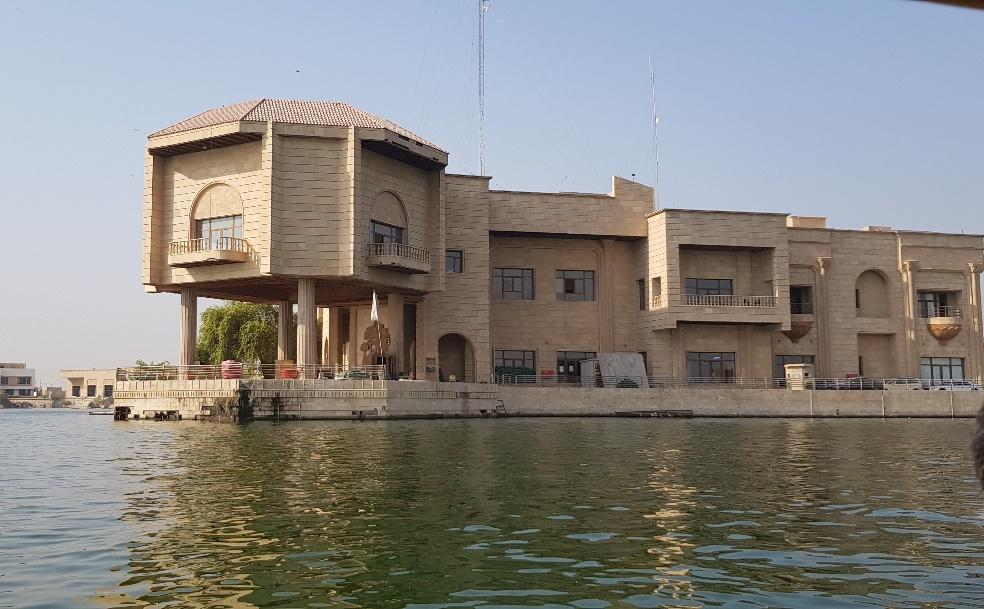
Images captured in Basra, Iraq, reveal the profound impact of ongoing conflicts on the daily lives of its residents. The city, situated near the Iranian border, is experiencing a slowdown in trade due to the war, exacerbating the suffering of its inhabitants and affecting their everyday lives.
Basra is considered a vital hub for trade and oil in Iraq, but recurring conflicts and political instability have led to a decline in commercial activity, negatively impacting the local economy. Citizens depicted in the images navigate through markets and shops that are suffering from a shortage of goods.
Details of the Situation
The images portray daily life in Basra, where residents face significant challenges in securing their basic needs. Shops are struggling with a lack of goods, and markets appear empty of customers, reflecting the economic stagnation plaguing the city. Many families are finding it difficult to provide food and essential items due to rising prices.
Basra serves as a cultural and commercial crossroads between Iraq and Iran, but military conflicts heavily impact trade flows between the two countries. The images show how the war has slowed down commercial activities, worsening the economic conditions.
Background & Context
Historically, Basra has been recognized as an important trading center in the Gulf region, regarded as Iraq's gateway to the outside world. However, ongoing conflicts, including the Iran-Iraq War and the fight against ISIS, have left deep scars on the city and its residents. Despite its oil wealth, Basra suffers from mismanagement and corruption, which have exacerbated economic and social conditions.
In recent years, Basra has witnessed popular protests demanding improvements in basic services such as water and electricity, alongside better economic conditions. However, the government has been unable to meet the residents' demands, leading to worsening situations.
Impact & Consequences
The conditions in Basra affect the overall Iraqi economy, as the city is one of the most significant sources of oil revenue. A decline in trade in Basra translates to reduced government revenues, impacting the government's ability to provide essential services to citizens. Furthermore, poor economic conditions lead to rising unemployment and poverty, intensifying social tensions.
Moreover, ongoing conflicts affect the relationships between Iraq and Iran, with Basra being a critical junction between the two nations. Any escalation in conflict could further deteriorate the economic and social conditions in the city, increasing the suffering of its residents.
Regional Significance
The situation in Basra serves as an indicator of the challenges faced by many other Arab cities suffering from conflicts and wars. The deterioration of conditions in Basra illustrates how conflicts can impact the daily lives of residents, necessitating greater international attention to resolve crises in the region.
Ultimately, Basra remains a living example of the impact of conflicts on daily life, showcasing the resilience of its residents in the face of challenges, yet they urgently need international support and comprehensive reforms to improve their conditions.