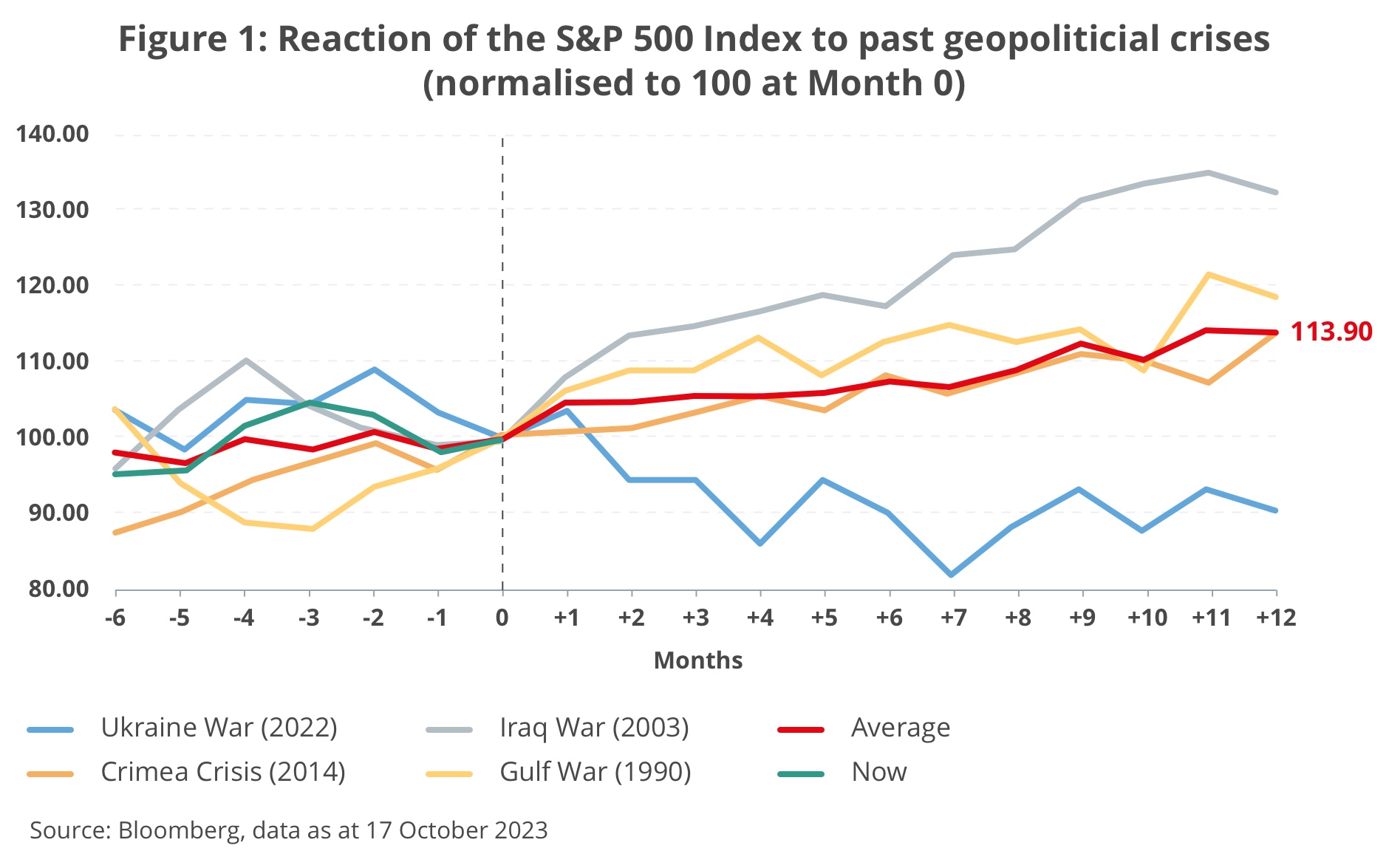
The economic conditions in the Middle East are significantly affected by ongoing conflicts, threatening financial stability in the region. Reports indicate a notable deterioration in macroeconomic indicators, with many countries experiencing a sharp decline in economic growth and rising unemployment rates.
There are multiple reasons behind these economic crises, ranging from armed conflicts that hinder development to economic sanctions imposed by certain countries. Additionally, the decline in oil prices in global markets has negatively impacted the budgets of producing countries, increasing economic pressures.
Event Details
Data indicates that many countries in the Middle East have witnessed a decline in GDP, with some countries recording a drop of up to 5% last year. Inflation rates have also risen significantly, leading to increased burdens on citizens.
For instance, reports have indicated that Iraq, Lebanon, and Syria are among the most affected countries, suffering from severe economic crises due to ongoing conflicts. In Lebanon, for example, inflation rates have surpassed 100%, leading to a deterioration in the purchasing power of citizens.
Background & Context
Historically, the Middle East has experienced numerous armed conflicts that have affected its economic stability. Since the beginning of the millennium, the intensity of conflicts has escalated, starting with the American invasion of Iraq in 2003, through the Arab Spring in 2011, to the ongoing conflicts in Syria and Yemen.
These conflicts have resulted in the destruction of infrastructure, impacting vital sectors such as education and health. They have also led to the displacement of millions of people, increasing the economic burdens on neighboring countries.
Impact & Consequences
The repercussions of economic crises transcend national borders, affecting regional stability. As poverty and unemployment rates rise, the likelihood of social unrest increases. Moreover, economic crises can lead to heightened political tensions, threatening security and stability in the region.
Furthermore, the decline in foreign investments due to deteriorating security conditions exacerbates economic crises. Global companies prefer to avoid unstable regions, leading to job losses and increased unemployment rates.
Regional Significance
The economic conditions in the Middle East are a concern for all Arab countries, as economic stability in this region has direct implications for the security and stability of neighboring nations. With the increase in economic crises, some countries may resort to imposing restrictions on migration or providing support to affected nations.
Additionally, economic crises may lead to increased tensions between Arab countries, necessitating cooperation and coordination among nations to address these crises. In this context, Arab countries must work to enhance economic cooperation and provide support to affected nations.
In conclusion, the economic conditions in the Middle East remain a significant challenge that requires collective efforts from Arab countries and the international community. Cooperation and solidarity are essential for achieving stability and sustainable development in the region.