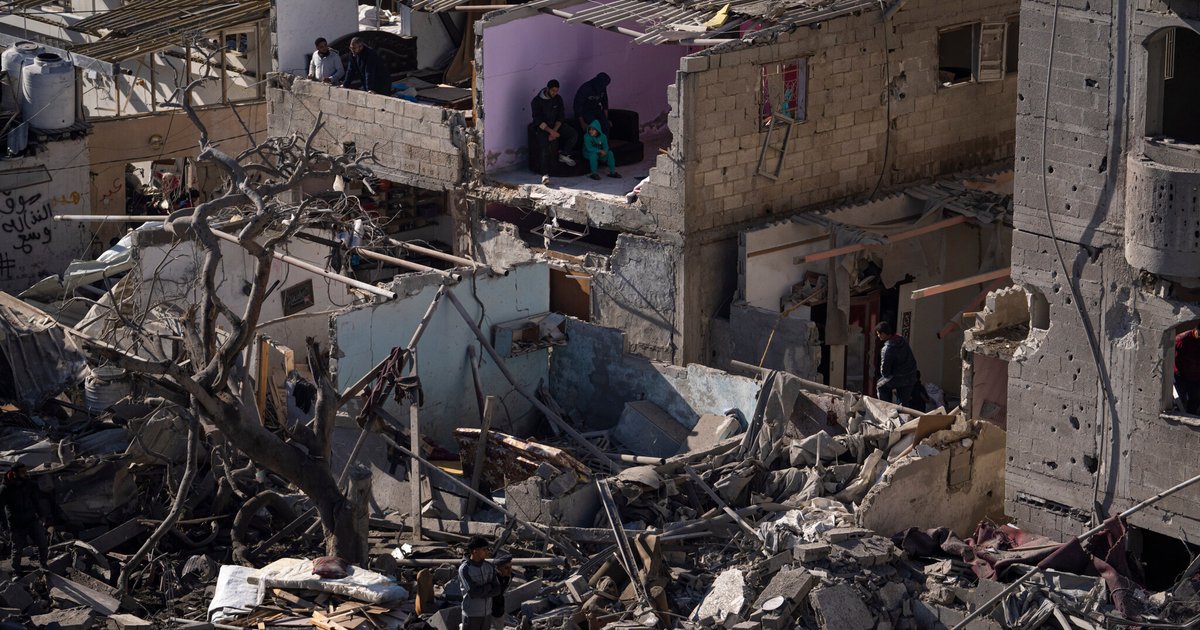
The repercussions of the war on the Gaza Strip continue to unfold, as UN coordinator Ramiz Al-Akbrouf noted that "the ceasefire in Gaza is extremely fragile." This statement encapsulates the current situation, reflecting previous analyses regarding the implementation of agreements, which remain questionable amid ongoing Israeli control over movement in the region.
Attention is turning to how regional powers are responding to the situation, with limited interventions from Hezbollah and Iran alongside Hamas being understandable given the internal complexities in Lebanon and the inability to confront Israel comprehensively. This intervention raises questions about coordination among allies and the strategies being employed.
Event Details
Reports indicate that Israel maintains security and military positions in Gaza, ensuring its continued control over the situation. This model recalls previous experiences in Lebanon and the West Bank, where operations persist despite their decline. Palestinians in Gaza are facing increasing suffering, amid media attempts to portray the situation as resolved.
As American and Israeli attacks against Iran escalate, the situation in Gaza appears to receive partial media coverage, reflecting Israel's interests in keeping the situation under control. Three fundamental rules have emerged in the American-Israeli approach following October 7: considering Iran as the "head of the octopus," dismantling the arenas, and rebuilding the Middle East.
Background & Context
Iran is considered a key player in the regional conflict, classified as a major power supporting resistance movements. This classification has prompted Israel and the United States to contemplate how to deal with Iran, either through direct strikes or by targeting its allies in the region. The second scenario, which has been pursued, aims to reduce tensions with Arab allies.
Simultaneously, Israel seeks to reshape its relationships with regional countries through normalization agreements, bypassing the Arab Peace Initiative. This path faces challenges from opposing forces, both at the regional and Palestinian levels.
Impact & Consequences
Pressure is mounting on Hamas as its military capabilities decline, complicating its negotiating position. Additionally, relations with Arab countries may be negatively affected due to tensions with Iran, further complicating the situation in Gaza.
On the international level, the Palestinian issue has seen shifts in Western public opinion, but focus has shifted to Iran, which may impact the support directed toward Palestine. This shift could lead to a decrease in interest in the Palestinian cause amid ongoing humanitarian crises in Gaza.
Regional Significance
The Arab region is directly affected by the outcomes of the war on Gaza, as Israel aims to achieve its regional objectives by undermining Palestinian resistance. This could lead to a realignment of alliances in the region, negatively impacting the Palestinians.
In conclusion, the relationship between the war on Gaza and the war on Iran reflects a comprehensive strategy aimed at weakening Palestinian resistance and undermining Iran's influence. These dynamics may lead to radical changes in the regional landscape, necessitating close monitoring by Arab countries.