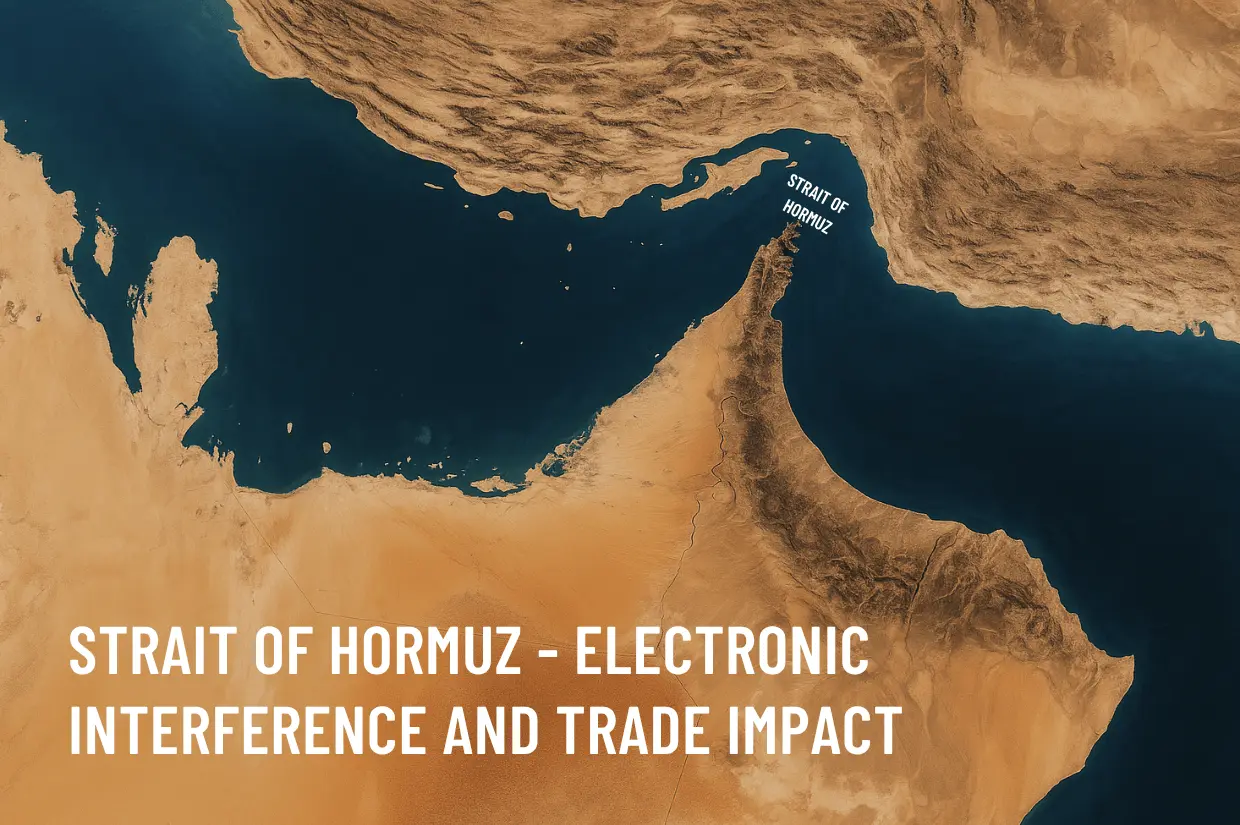
Concerns are rising over the ongoing war's impact on undersea internet cables passing through the Strait of Hormuz. Iran has issued direct threats to target the technological infrastructure of adversarial nations, raising alarms about the safety of these vital cables.
Undersea internet cables are the global arteries of communication, carrying massive amounts of data that connect various countries worldwide. As geopolitical tensions escalate, attention is turning to these cables, which could be targeted at any moment.
Details of the Situation
According to the website "Submarine Cable Map," there are seven major cables that cross the Arabian Gulf and the Strait of Hormuz. Some of these cables run through the territories of the United Arab Emirates and neighboring countries, complicating the situation further. A report published by "House of Saud" indicates that the war against Iran threatens 17 undersea cables extending between the Arabian Gulf, the Strait of Hormuz, and the Red Sea, which carry approximately 80% of the world's total internet traffic.
Although a significant portion of these cables does not pass through the Strait of Hormuz, any damage that occurs to the undersea cables running through it will greatly impact internet connectivity worldwide. These cables do not merely serve as conduits between two points; they transmit data among all points they traverse.
Background & Context
Last September, the world witnessed a disruption of internet cables in the Red Sea, causing significant upheaval in global internet services. These incidents highlight the potential risks that could arise from escalating conflict in the region. Additionally, the ongoing war has hindered new cable projects aimed at enhancing connectivity among Gulf nations.
The "To Africa Pearls" cable project and the "Fiber in Gulf" cable, which were set to increase network capacity, have been severely affected by the current conditions. Furthermore, the American company "Meta" has halted its work on a new undersea cable project as a result of this war.
Impact & Consequences
Any disruption to undersea internet cables will directly affect internet services, including those relied upon by major companies in the West. Businesses that depend on data centers in the Arabian Gulf will face significant challenges if any damage occurs to these cables.
Western investments in building artificial intelligence data centers in the Gulf are increasing, meaning that any attack on undersea cables will directly impact the services of these technologies. Companies like "OpenAI" and "Humain" are working on projects in the region, increasing the importance of protecting this infrastructure.
Regional Significance
The current risks require a swift response from the concerned nations to protect undersea internet cables. Transitioning to satellite internet services like "Starlink" may provide a quick solution, but it places data under the control of the owning companies, raising security concerns.
Ultimately, it is impossible to ascertain Iran's intentions towards the undersea cables, but any damage inflicted upon them will also affect Iran's own communication networks, placing it in a precarious position. The current situation demands heightened vigilance from all parties involved to safeguard this vital infrastructure.