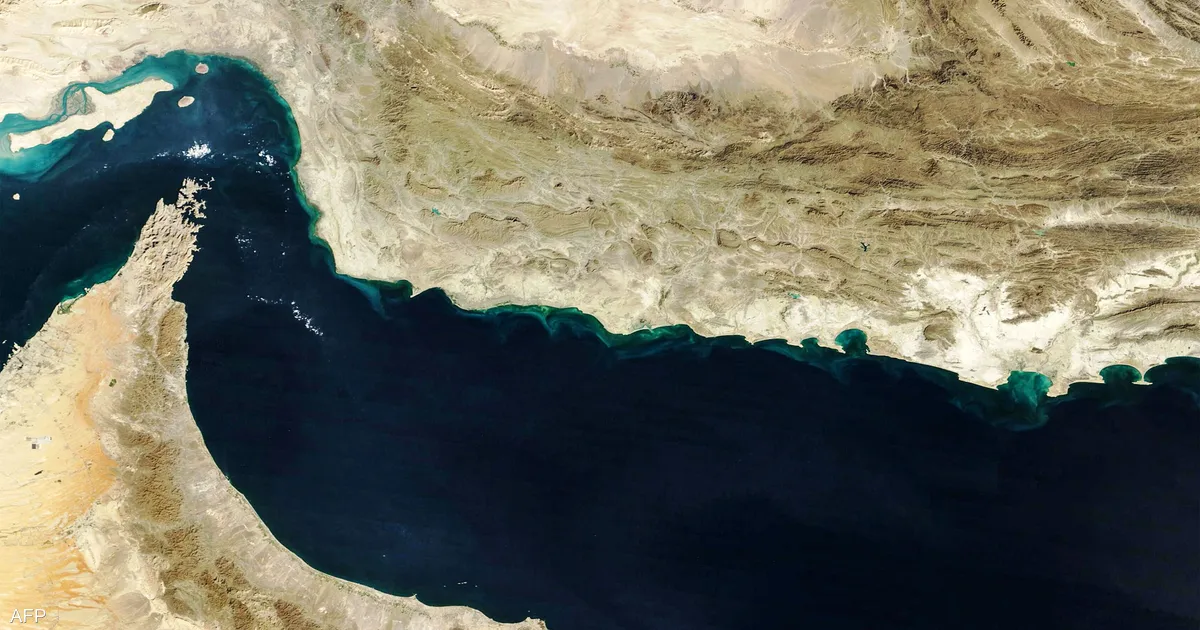
In light of recent developments on the international stage, the Gulf Cooperation Council (GCC) countries have successfully thwarted Iranian attacks after reaching a ceasefire agreement between Washington and Tehran. This agreement marks a turning point in relations between the two parties and reflects the ongoing tensions in the region.
Analyses indicate that the survival of the Tehran regime heavily relies on exploiting international contradictions, making it difficult to predict the future of relations between Iran and Western countries. Meanwhile, Iran continues its practices in the Strait of Hormuz, raising concerns among regional and global nations.
Details of the Event
The ceasefire agreement between the United States and Iran came after a series of military escalations in the region, where Iran had carried out several attacks on commercial vessels in the Strait of Hormuz. This strait is one of the most important maritime passages in the world, through which approximately 20% of the world's total oil passes.
The GCC countries are striving to enhance navigation security in this vital area, having strengthened security and military cooperation among themselves. Reports have shown that these countries have successfully thwarted numerous Iranian attacks, reflecting their ability to protect their interests.
Background & Context
Historically, the Strait of Hormuz has witnessed numerous tensions, especially in recent decades. Iran has used this area as a means to pressure Western countries, particularly under the sanctions imposed on it. As tensions escalate, it has become clear that Iran seeks to exploit these situations to achieve political and economic gains.
In recent years, Iranian military activities in the region have increased, prompting neighboring countries to adopt stricter security measures. Events have shown that Iran does not hesitate to use force to achieve its goals, complicating the security landscape in the region.
Impact & Consequences
The implications of the ceasefire agreement could be far-reaching, potentially leading to a reduction in military tensions in the region. However, Iran's practices in the Strait of Hormuz remain a significant concern, as they could affect commercial navigation and increase global oil prices.
If Iran continues its hostile practices, major powers may resort to more stringent measures, potentially leading to a new escalation in international relations. This situation could significantly impact regional stability and heighten tensions between Iran and Western countries.
Regional Significance
For Arab countries, the situation in the Strait of Hormuz represents a major challenge. Many of these countries rely on exporting oil through this vital corridor. Therefore, any threat to navigation in this area could affect the Arab economy as a whole.
Moreover, the stability of the region heavily depends on cooperation among Arab nations to address security challenges. There must be clear strategies to deal with Iranian threats, including enhancing military cooperation and intelligence sharing.
In conclusion, the fate of navigation in the Strait of Hormuz remains uncertain amid Iran's ongoing practices. The current situation requires concerted efforts between Arab countries and the international community to ensure navigation security and protect economic interests.