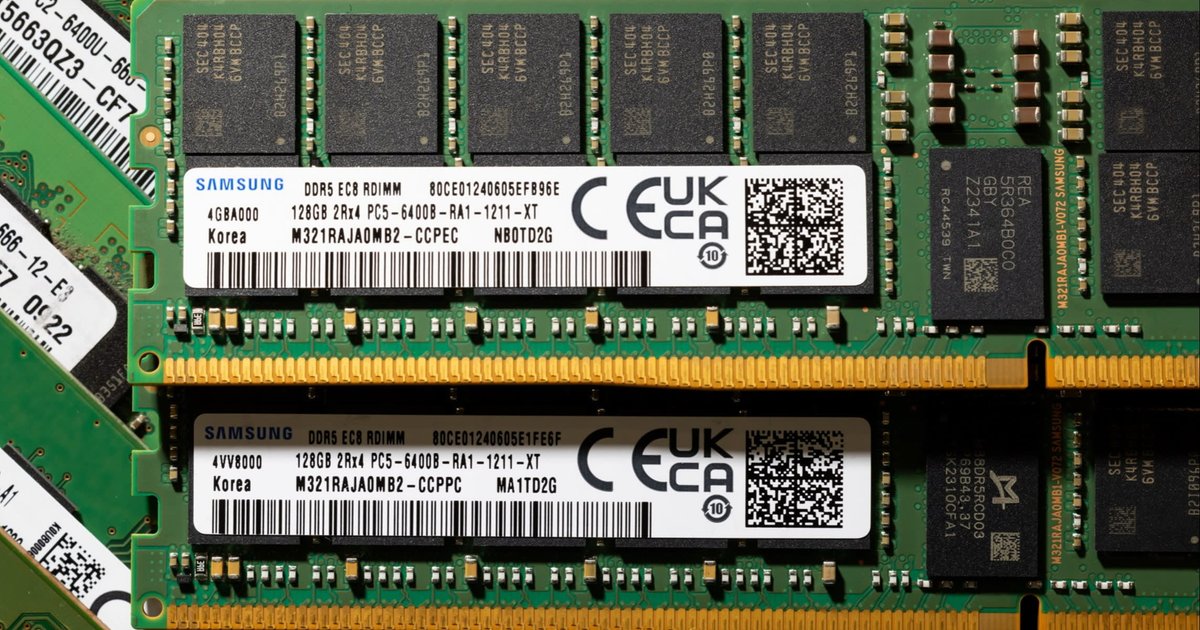
Any military interactions in the Middle East are linked to major repercussions on the global economy, especially on the technology industry. The potential Iranian war highlights the extent to which the world depends on energy sources and raw materials essential for the semiconductor industry, which plays a growing role across various sectors, including artificial intelligence. Economic reports have stated that this industry primarily depends on energy supplies and other materials imported from countries neighboring Iran, making any military escalation in the region a serious threat to this entire supply chain.
Recent reports have indicated that the supply chain for semiconductor manufacturing companies, such as NVIDIA and Intel, heavily relies on chemical and raw components coming from the Middle East, known for its rich natural resources of oil and gas. In the case of any military escalation, these supplies could be disrupted, potentially leading to significant production shortages within manufacturing plants.
Historically, the Middle East has witnessed repeated military tensions, which directly affect prices and global markets. Over the past decade, the world has faced challenges related to supply security, especially during political crises such as the conflicts in Iraq and Syria. These experiences confirm that any new conflict in the Middle East could threaten the stability of the global market, particularly at a time when the global economy depends heavily on high-tech.
Military tension escalation may lead to rising global prices, especially in technology and telecommunications sectors that rely on electronic chips. Should a military escalation occur, the cost of producing these devices is expected to rise, affecting the smartphone and computer markets. Major tech companies may face challenges in meeting the increasing demand for products due to chip shortages, potentially causing delays in innovation and a lack of product availability in the markets.
On the other hand, the world is moving towards developing artificial intelligence technologies, which rely on advanced computing technologies like smart devices and algorithms. These technologies require high-performance chips based on stable supplies of energy and minerals. Therefore, any disruption or fluctuation in energy supplies from the Middle East could hinder the development of these technologies, raising growing concerns about the future of technological innovation worldwide.
In light of these developments, it is important for Gulf States and Arab countries in general to enhance their investments in semiconductor industries and alternative energy sources. Strategies should be built for energy security focusing on developing nations' capacity to rely on their resources and productive efficiency, whether local or through strategic partnerships with innovative relying nations.
The role played by Gulf states, such as Saudi Arabia and the UAE, can be pivotal in shaping the future of the technology industry. Russia and China are also playing a prominent role in this context, as any conflict in the Middle East could enhance their positions in the global market. Arab leaders must recognize the importance of diversifying resource dependence and reducing risks associated with regional military conflicts.
In conclusion, it is clear that the outbreak of war in Iran poses not only a threat to regional peace but extends to the entire global economy, especially with increasing reliance on advanced technology. Efforts must be made in the region to ensure the stability of affairs.